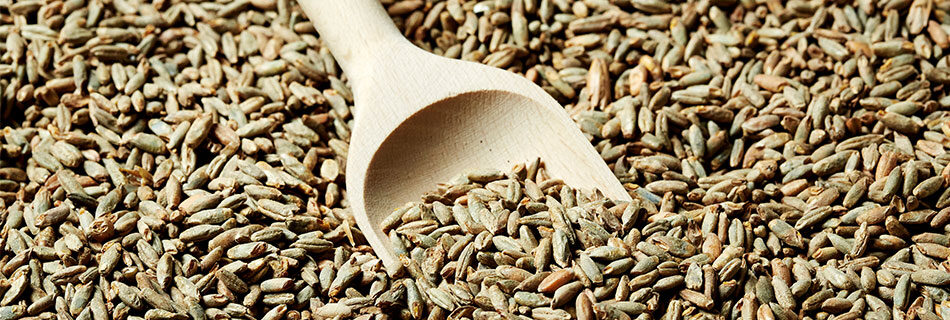
Rye malt
Rye, scientifically known as Secale Cereale, has shaped baking, cooking, and brewing for centuries. Today, brewers embrace rye malt and its bold character to craft unique, flavourful beers. In this …

Rye, scientifically known as Secale Cereale, has shaped baking, cooking, and brewing for centuries. Today, brewers embrace rye malt and its bold character to craft unique, flavourful beers. In this …

What was once a local tradition has grown into a global phenomenon. We are talking about Saint Patrick’s Day, one of the biggest beer-related festivities in the world. Every year, …
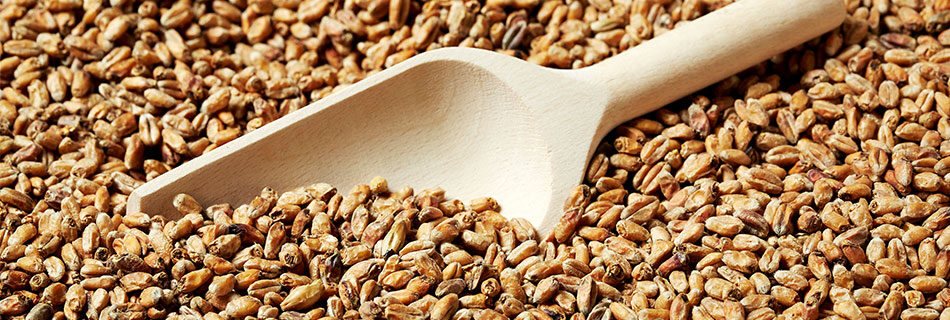
Most beer lovers know what wheat brings to beer: a creamy texture, a hint of tartness, and a smooth mouthfeel. Although barley now dominates brewing, this was not always the …
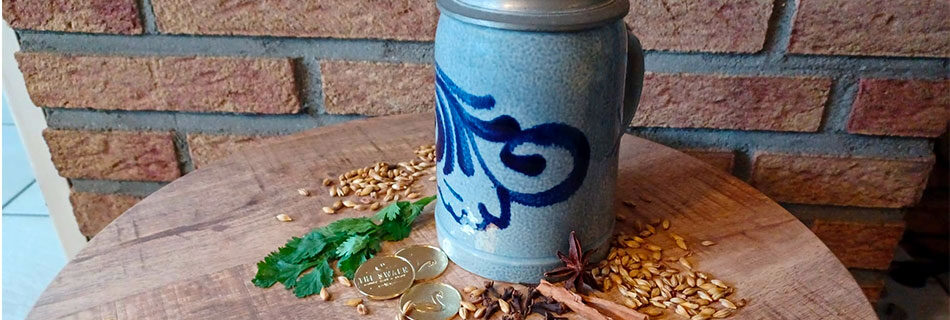
Grain and malt have always been a part of beer, but hops were not always part of the recipe. Before brewers understood the effects of hops, they relied on a …

The craft beer revolution has revived many historical styles, including the nearly forgotten Kuit – also known as Koyt, Kuyt, or Koite. This uniquely Dutch beer once dominated the brewing …
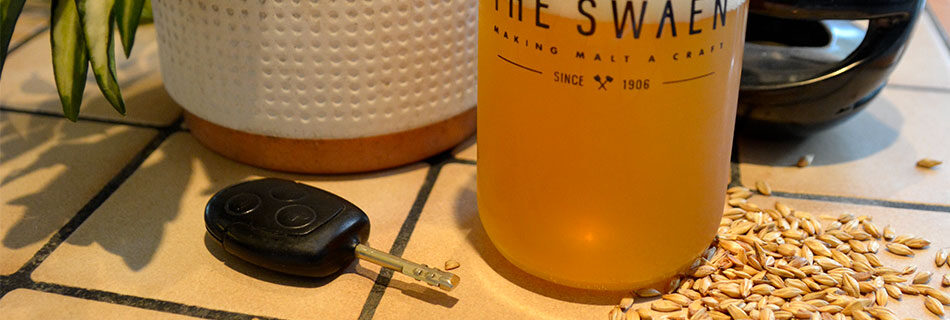
Not so long ago, non-alcoholic beer had a bad reputation. They were often watery, bland versions of mainstream lagers. Most people only drank them when they had to drive but …
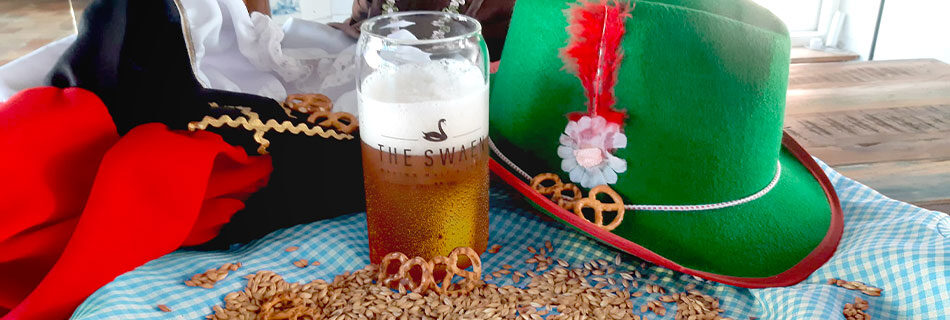
For two weeks every year, Oktoberfest transforms cities into hubs of beer, celebration, and friendship. What started as a Bavarian wedding festival has grown into a global phenomenon. While Munich …

Beer lovers have long celebrated legendary figures. Gambrinus is one, but another name stands out – Arnold of Soissons, better known as Saint Arnoldus. A life of duty and devotion …

Every year on April 11, beer lovers raise a glass to King Gambrinus, the so-called patron saint of beer. But here’s the twist – he was never a saint or …
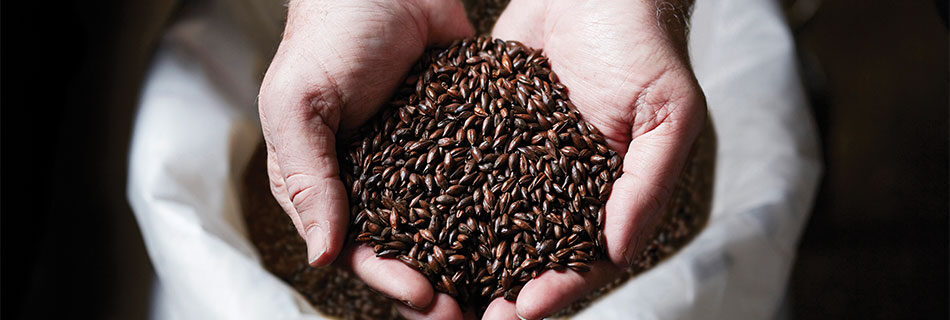
It remains unclear when rotating drum roasting became popular among specialty maltsters. However, today it is the most widely used and safest method for producing caramelised and roasted malt and …