At The Swaen, we have spent 120 years transforming grains into greatness. To celebrate this milestone, we’re exploring something unexpected – not malts or methods – but 120 weird ingredients that can make a beer truly unforgettable.
Around the world, brewers continually push boundaries in their quest for flavour. They’ve added surprising elements you wouldn’t expect in a pint. From sea creatures to space dust, beer has welcomed it all. While purists and Reinheitsgebot enthusiasts may stop reading here, others might find fresh inspiration in these unconventional ingredients.
The brave
These ingredients make sense – eventually. Take oyster shells, for example. Brewers once used them to clarify beer; today, they add a subtle salinity. Although some choices might raise eyebrows at first, they follow a clear flavour logic. These daring ingredients aren’t bonkers – they demonstrate just how far brewers will go to create something truly new.
1. Milk
Lactose is a familiar beer ingredient, but actual milk? Bilk by Abashiri used only 25% malts, a small amount of hops, and replaced all the brewing water with milk.
2. Buckwheat
Although buckwheat isn’t a true grain, brewers often use it to replace part of the grain bill. It also serves as a great option for gluten-free beers.
3. Kellogg’s cornflakes
Flaked corn has a long history in brewing, but cornflakes – the breakfast cereal – are a different story. Seven Bro7hers teamed up with Kellogg’s to use cereal that didn’t make it into the boxes.
4. Cap’n Crunch
Another breakfast cereal beer is Victory At Cereal made by Ballast Point Brewing Company. They use a few boxes of Peanut Butter Cap’n Crunch in it.
5. Bread
Restaurants and bakeries in London donated leftover bread to create Toast Pale Ale. Using bread isn’t unique in brewing, but the scale of this project was impressive.
6. Sushi rice
While the use of rice in beer isn’t new, adding surplus rice is. Together with a sushi restaurant, Science Brew (part of the Technical University Denmark) developed a beer with 20% excess rice.
7. Peanut butter
Peanuts have been added to stouts for some time. But what about real peanut butter? This creates thick, sweet stouts that are a meal on their own. In fact, there are even some peanut butter and jelly beers out there.
8. Biscotti
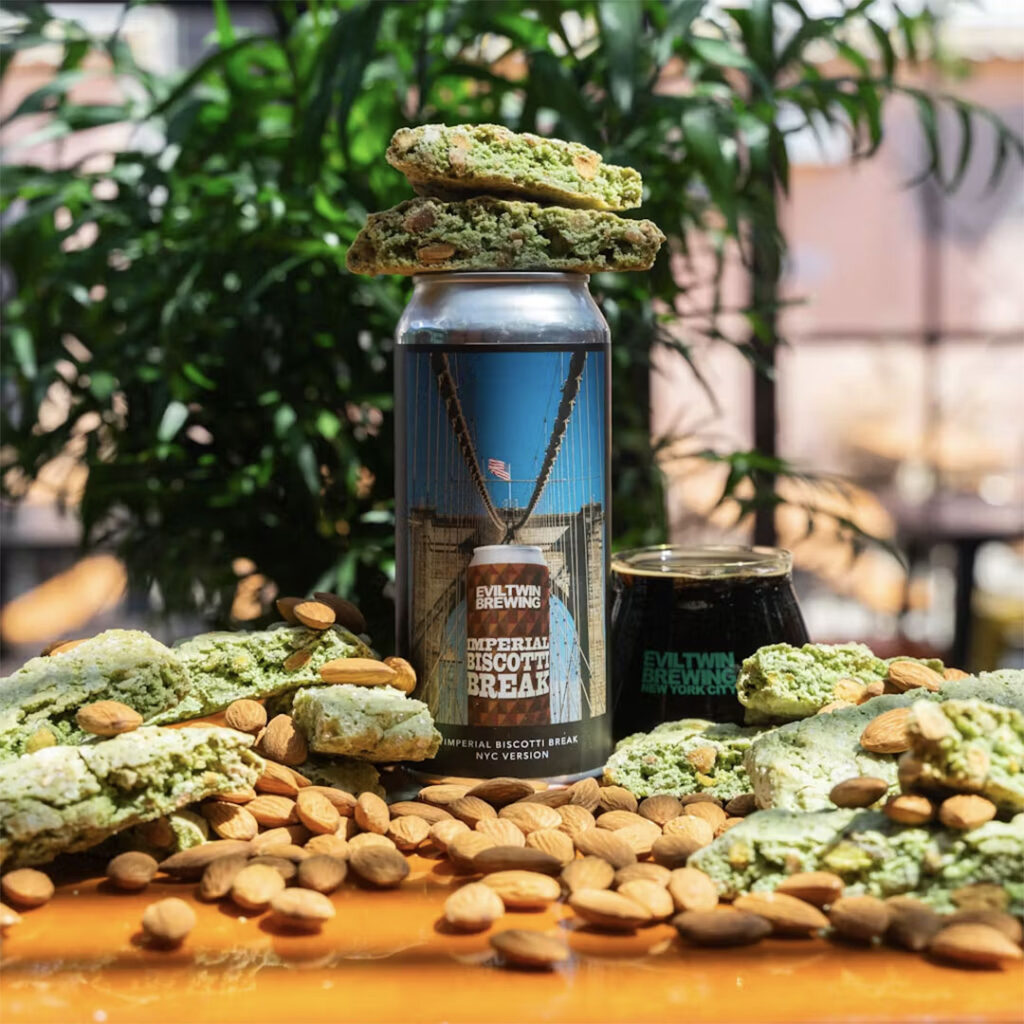
A cookie for the win. The almond-based snack is often found in heavier beers. Most famous is probably the Biscotti Break range by Evil Twin, including versions with hazelnut, raspberry and chilli.
9. Brownies
Being a popular pastry, it was a matter of time before brownies found their way into beer. Brownies are mostly seen in big, hefty Porters and Stours, increasing the chocolate body.
10. Donuts
Together with the Dunkin’ Donuts, Harpoon created a series based on the world-famous donuts. Think of a Jelly Donut IPA, Maple Crème Blond, Coffee Roll Cream Ale, and many more.
11. Black truffles
Pilsners are clean and crisp; however, not many brewers experiment. Nevertheless, Moody Tongue is an exception. In fact, their brewmaster adds hand-shaved black truffle and baked pear to their light-bodied Pilsner.
12. Mint
Chocolate and mint pair well, so it’s no surprise brewers started adding mint to heavy, sweet Imperial Stouts. This refreshing twist balances the rich chocolate flavours.
13. Prickly pear
Resembling other cacti, prickly pear is known its sweet fruit. So it’s no wonder that brewers picked up this ingredient. It can give your beer a pink hue.
14. Spruce tips
Spruce tips may sound like a peculiar ingredient for beer, but actually a lot of brewers use them. They are mainly seen in IPAs, where they provide a piney flavour, of course.
15. Pickles
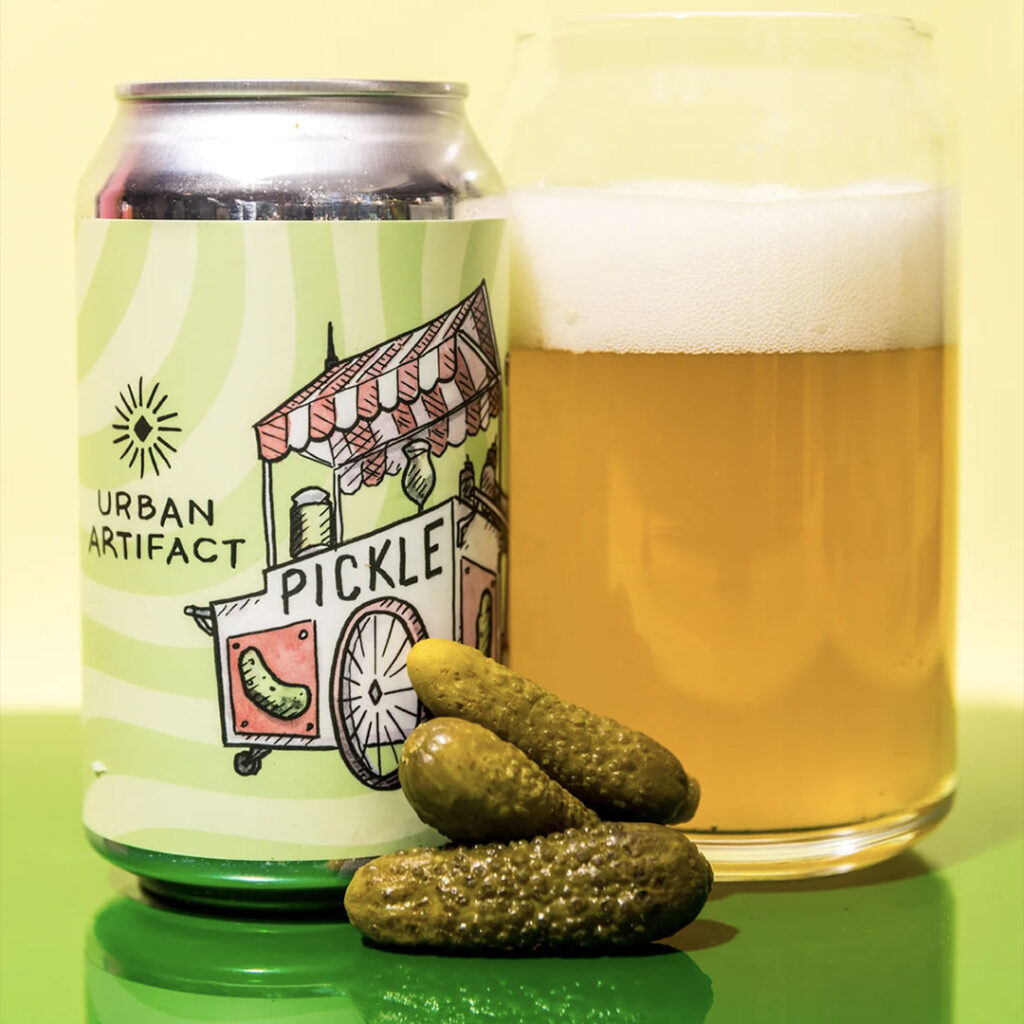
Salt is at the base of the German beer style Gose. From there, it’s a small step to what would become Vegetable Gose. In fact, many brewers add pickles or pickle juice to the brew, taking the style in a new direction.
16. Tomatoes
Tomatoes are actually a versatile ingredient, that fit perfectly well in a Vegetable Gose. Some brewers go a step beyond: they create a beer version of the famous Bloody Mary, also including herbs and celery in their brew.
17. Onions
“It goes together like onions and beer.” Now that’s a sentence you never hear, but that didn’t stop Maui Brewing from creating Onion Mild. Despite the odd pairing, the brew surprisingly captures a subtle sweetness and depth.
18. Garlic
Not every experiment succeeds. When Magic Hat added garlic to their Ale of the Living Dead, customers rejected it so strongly that the brewery had to buy back all the bottles.
19. Mustard
While many brewers use mustard (seeds) for a gimmicky beer, we want to showcase one in particular. Zaanstad is the mustard capital of the Netherlands. Hoop created a celebratory, slightly sour Tripel with local mustard.
20. Wasabi
Another extreme is Miyamori Wasabi Dry, a daring, light green beer brewed with wasabi. Beware – chugging this one isn’t recommended, unless you enjoy a fiery surprise!
21. Sriracha
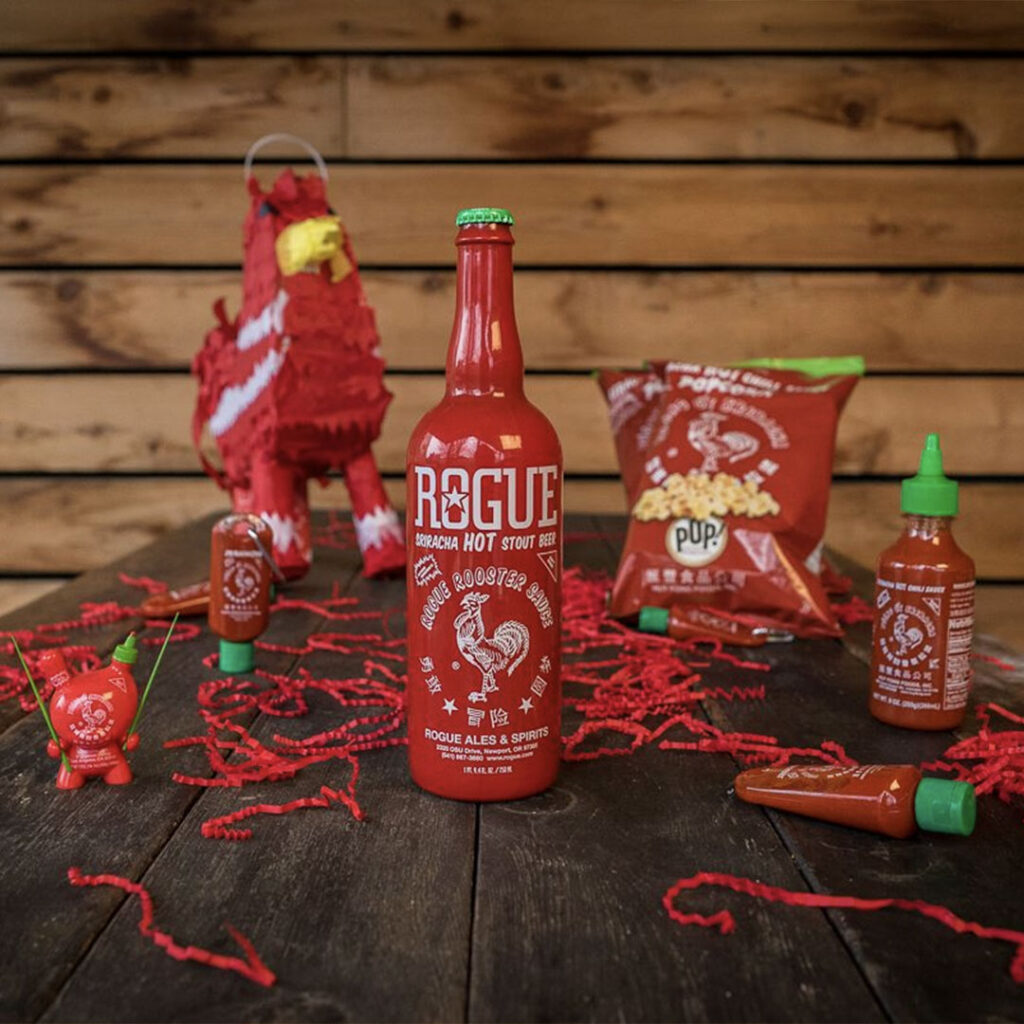
When Rogue wanted to brew a spicy Stout, they decided to grab the bottle. A bottle of original sriracha sauce, that is. The label of the beer even matched that of the hot sauce.
22. Ghost pepper
While pepper and chilli weren’t new to the world of beer, Twisted Pine’s Ghost Face Killah took it to another level. This brewery used six scorching peppers, including the infamous ghost pepper.
23. Frankincense and myrrh
The three kings that reportedly visit the birth of Jesus brought gold, frankincense and myrrh. Those same aromatic ingredients are also added to Gift of the Magi by The Lost Abbey. And the gold? That’s the colour of the brew.
24. Hemp
Because cannabis belongs to the same plant family as hops, this ingredient isn’t as farfetched as you might think. Many craft breweries are experimenting with this.
25. Oyster
You might not connect beer with oysters, but there are many breweries that boast an Oyster Stout. Sometimes they use water that has been soaked in oyster shells, but some – like Porterhouse – brew with actual fresh oysters.
26. Clams
From oysters, it’s a small step to clams. It might seem a little shellfish, but Carton Brewing created their Digger for a local annual clam festival.
27. Autodrop
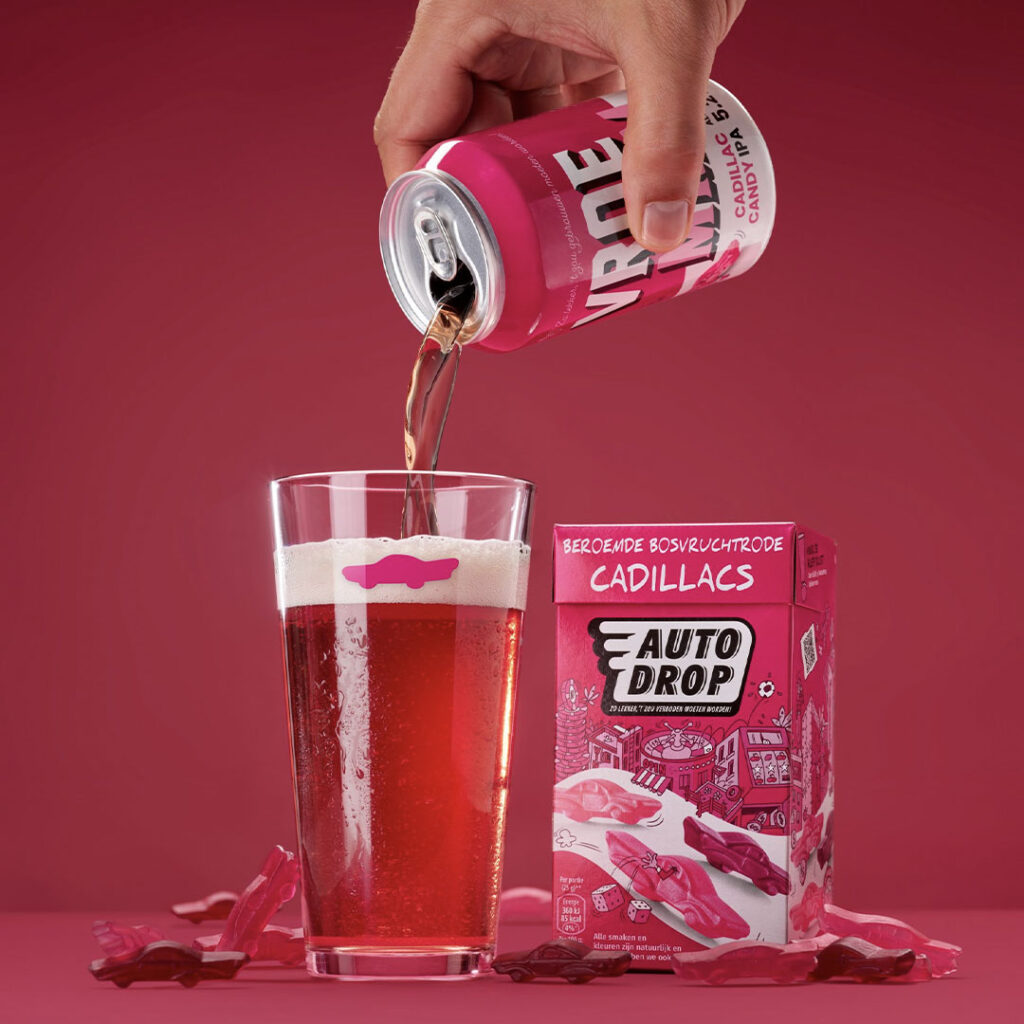
Drop is a typically Dutch treat. One of the most famous brands is Autodrop, where the candy is shaped like vehicles. The worked together with KraftBier to create a beer of their iconic jelly candy known as Cadillacs.
28. Skittles
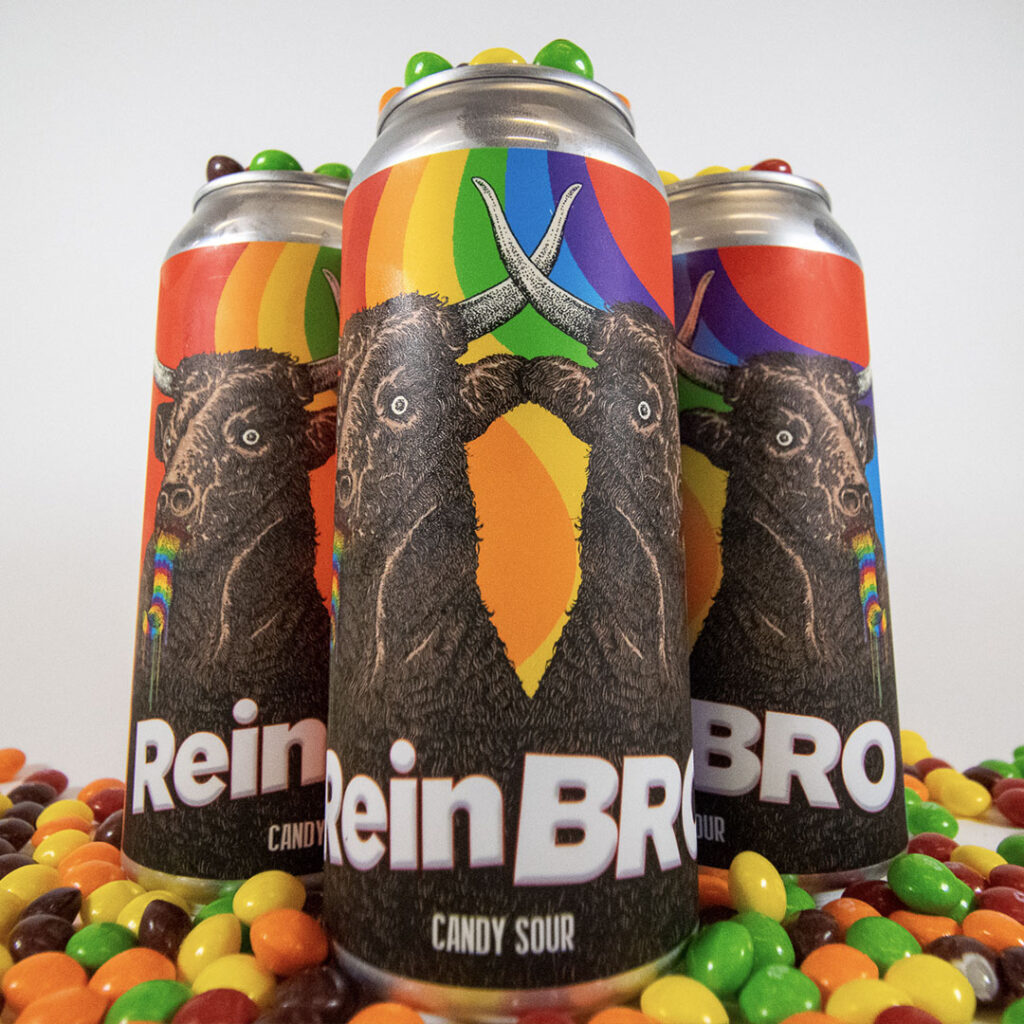
ReinBro. With a name like this – a play on the famous tagline – it’s no surprise that Skittles made the list. In fact, Bolero Snort and Imprint created a candy sour using them.
29. Gummi Bears
Continuing the candy theme, Kenai River brewed Gummi Bear Beer with an astonishing 7,200 Gummi Bears – making for one sweet Tripel. As a result, this massive candy beer has a playful character.
30. Swedish fish
These jellies are quite popular in the United States. The Veil infused their Gose with “hundreds of pounds” of Swedish fish. And then they added some Hawaiian Punch powder to finish it off.
31. Tompouce
Another popular Dutch snack is the pastry known as tompouce. Brewed with raspberry and vanilla, Lowlander captured the essence of the tompouce in their milkshake blonde.
32. Kruidnoten
Kruidnoten are the gingerbread treats Dutch children receive from Sinterklaas, who is our version—and the original namesake—of Santa Claus. Because of their cultural significance, various breweries have used them.
The unusual
Then there are the ingredients with a story. These components stand out because of where they come from. For example, meteorite dust adds a cosmic touch, while yeast harvested from an author’s writing chair feels both literary and alive. Not only are these ingredients unusual, but they also carry deep connections to places and people. In fact, each one sparks a conversation with every pint.
33. Iceberg
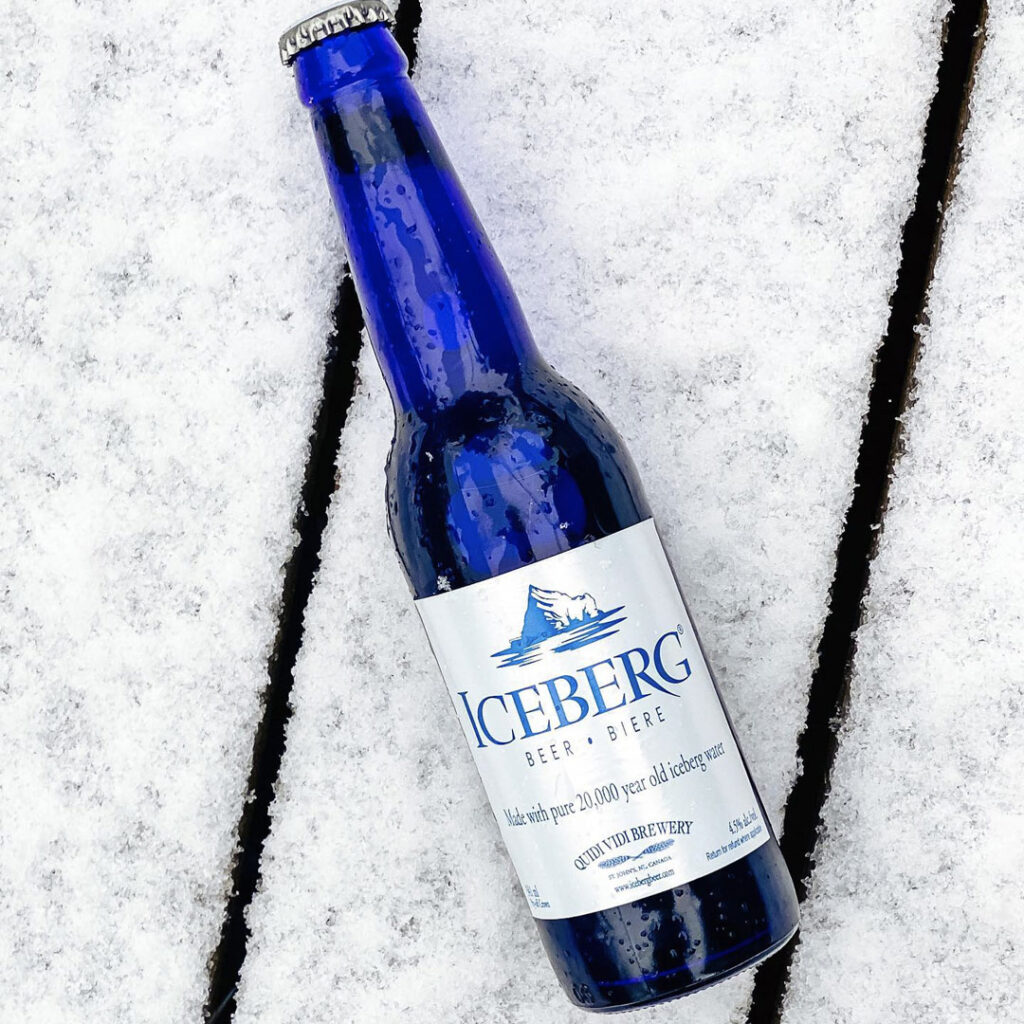
Water might seem ordinary, but not for Quidi Vidi. They hire locals to extract ice from a massive iceberg drifting toward Canada. In fact, they need an official license to do this legally. This ice provides pure, mineral-free water.
34. Glacier
Similarly, much of Svalbard’s beer relies on thawed ice from the 2,000-year-old Bogerbreen glacier. It makes perfect sense, considering their location on Spitsbergen island.
35. Holy water
Every beer exists mostly of water. Clown Shoes asked local priests to bless the brew, but they were unwilling. Luckily, they found a place that actually sells holy water.
36. Leaves
Every fall, Scratch picks up the fallen leaves to add to their seasonal brew Dead Leaves. The brewery has also made versions with carrots, apple and wild oregano.
37. Whale fossil
In 2014, Lost Rhino secured yeast from the bones of a 35-million-year-old whale fossil. They then used it to create Bone Dusters, a Red Ale with fruity and very unique characteristics.
38. Prehistoric yeast
When a microbiologist found 45-million-year-old yeast in fossilized amber, he knew what to do. As Fossil Fuels they used it to create several Jurassic Beers.
39. Shipwrecked beer
In 1796, the ship Sydney Cove sank with its cargo, provisions including ales. Over 200 years later some still sealed bottles of beer were retrieved. While the beer was no longer drinkable, the yeast inside was perfect to create a Porter called The Wreck Preservation Ale.
40. Clog wood
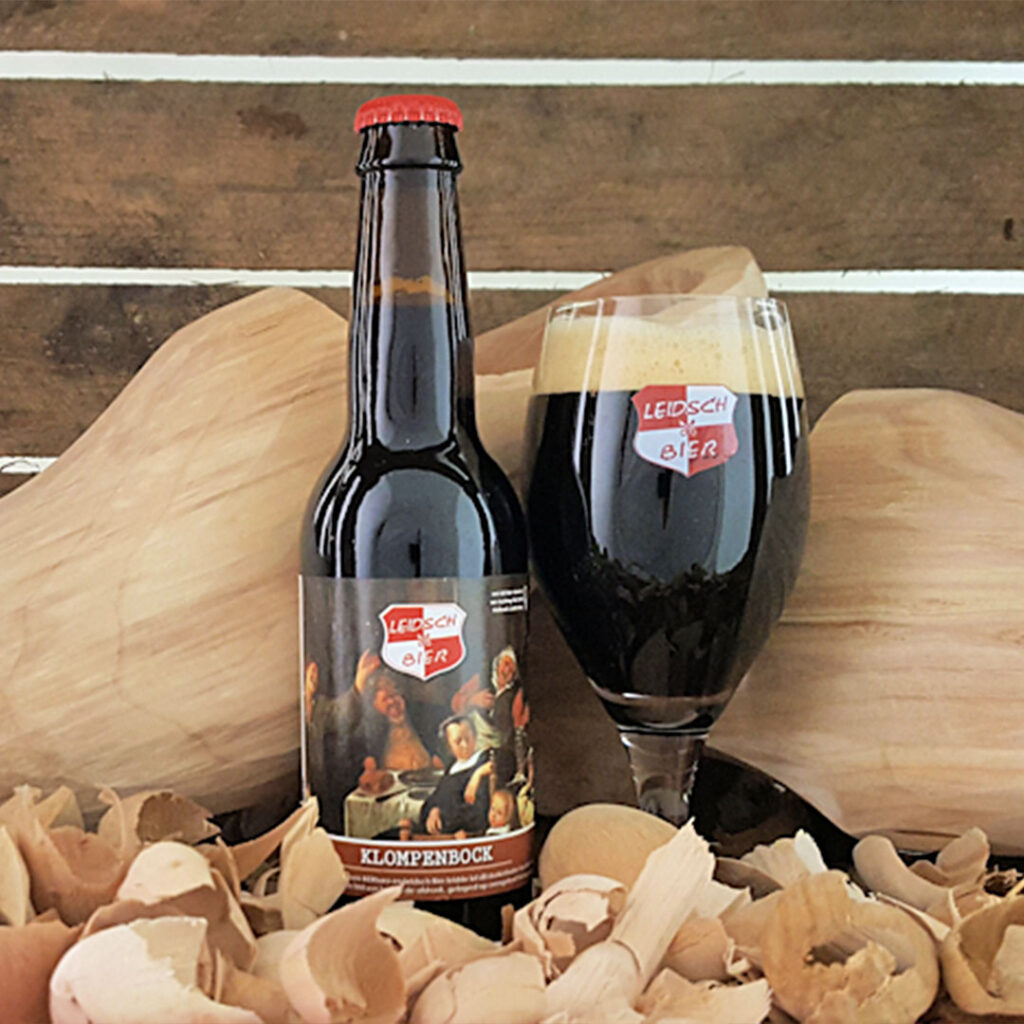
We couldn’t create a list like this without including something typically Dutch. Klompenbock is made by adding the leftover scraps from clog making. To give them a little kick, they are toasted in an oven.
41. Space hops
Ok, there is no such thing as space hops (yet), but Samuel Adams used hops that went to space for their Space Craft. They were brought onto the very first civilian mission by SpaceX.
42. Space malt
Years before, Sapporo used barley grown from seeds flown to the International Space Station to create a limited-edition beer. This cosmic barley added a unique story and intrigue to the brew.
43. Meteorites
Dogfish Head crushed actual lunar meteorites to steep in their Celest-Jewel-Ale. Obviously, they took the idea of “to the moon and back” quite literally.
44. Moonstone
Lunar Ascent is a spiritual beer, brewed by women from seven breweries. They didn’t just add ginger and hibiscus, but also some moonstone for their reported metaphysical benefits.
45. Glitter
Edible glitter has no flavour and is thus only used as a gimmick. That hasn’t stopped brewers to upgrade their beer, mainly IPAs. The sparkling and shimmering result is great for parties.
46. Gold
Why not? When everything else is done, gold seems like a good choice. Bling Bling Imperial King is made by adding real 24k gold flakes to the grain bill. Talk about decadence!
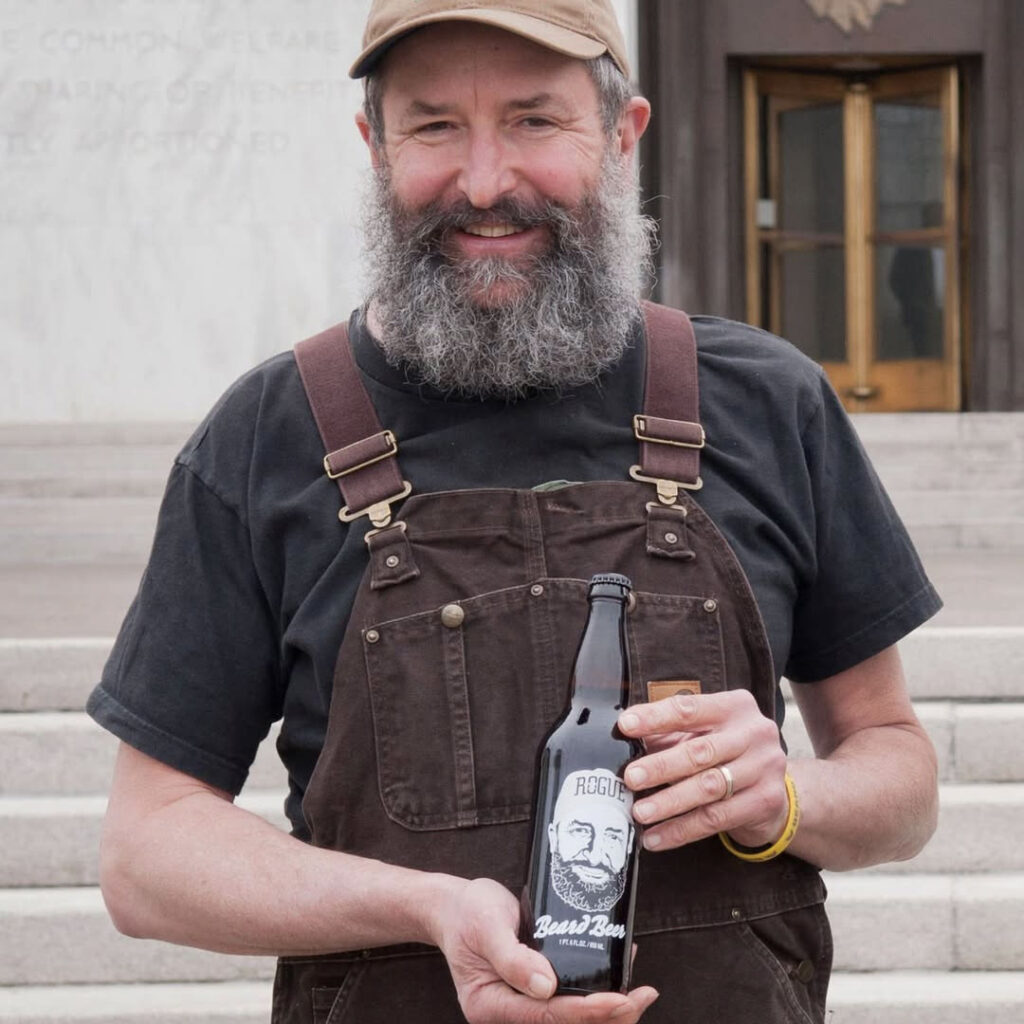
47. Beard yeast
Rogue Ales brewed Beard Beer using wild yeast cultured from their brewmaster’s beard. This brew blends science, humour, and a touch of madness. So, if you spot a hair in your beer, you know where it came from!
48. Roald Dahl’s writing chair
40FT Brewery used yeast from the legendary author’s chair to brew their Odious Ale. Indeed, that’s one way to harvest inspiration – fermenting not just beer, but a story.
49. Music
Honestly, this is stretch (and clearly a gimmick), but Dock Street experimented with blasting Wu-Tang Clan while barrel aging for six months. The goal was to see if certain frequencies could affect how yeast behaves.
50. Guitar
When guitar-builder Zwier started brewing, he wanted to pay homage to his other passion. That is why he added flakes of swamp ash wood, that was meant for a Telecaster electric guitar.
The bold
These beers aren’t for everyone. But they exist – and someone loves them. These aren’t casual Friday night drinks. They’re beer as statement. Often, they make headlines more than they make friends. Still, they prove one thing: there are no limits in brewing – just limits in taste.
51. Bubble-gum
We understand candy as an adjunct to sweeten your beer. But bubble-gum? It feels weird consume that flavour. Nonetheless, Three Magnets used them in a non-alcoholic beer with glitter.
52. Grass
Poesiat & Kater used grass for their Muuke 014. And not just any grass, but grass from the Johan Cruijff stadium, named after the greatest football player the Netherlands has ever had.
53. Tulips
Another typically Dutch product is the cultivated tulip. Tourists from all over the world come to see them. Brouwdok added unsellable tulip bulbs and allegedly brewed their beer during a full moon.
54. Irish moss
Irish moss is a species of red algae. Brewpub Public Option uses it, not for flavour, but as a clarifying agent in some of his experimental ales. It has been a known tactic in homebrewing.
55. Spirulina
Another algae. This one is green, and this has quite the effect on the many beers that use it as an ingredient. In fact, spirulina is said to have a protective effect on your liver.
56. Seaweed
If you know Scottish barley fields were fertilised with seaweed, it’s a small step to actually add it to a brew. The local Williams Bros. decided to give it a try with their Kelpie.
57. Avocado
Angel City Brewery chose to include avocados to their beer, because why not? They also added cilantro and lime juice, so you might think it was a Sour Ale. Surprisingly, they brewed a Kölsch.
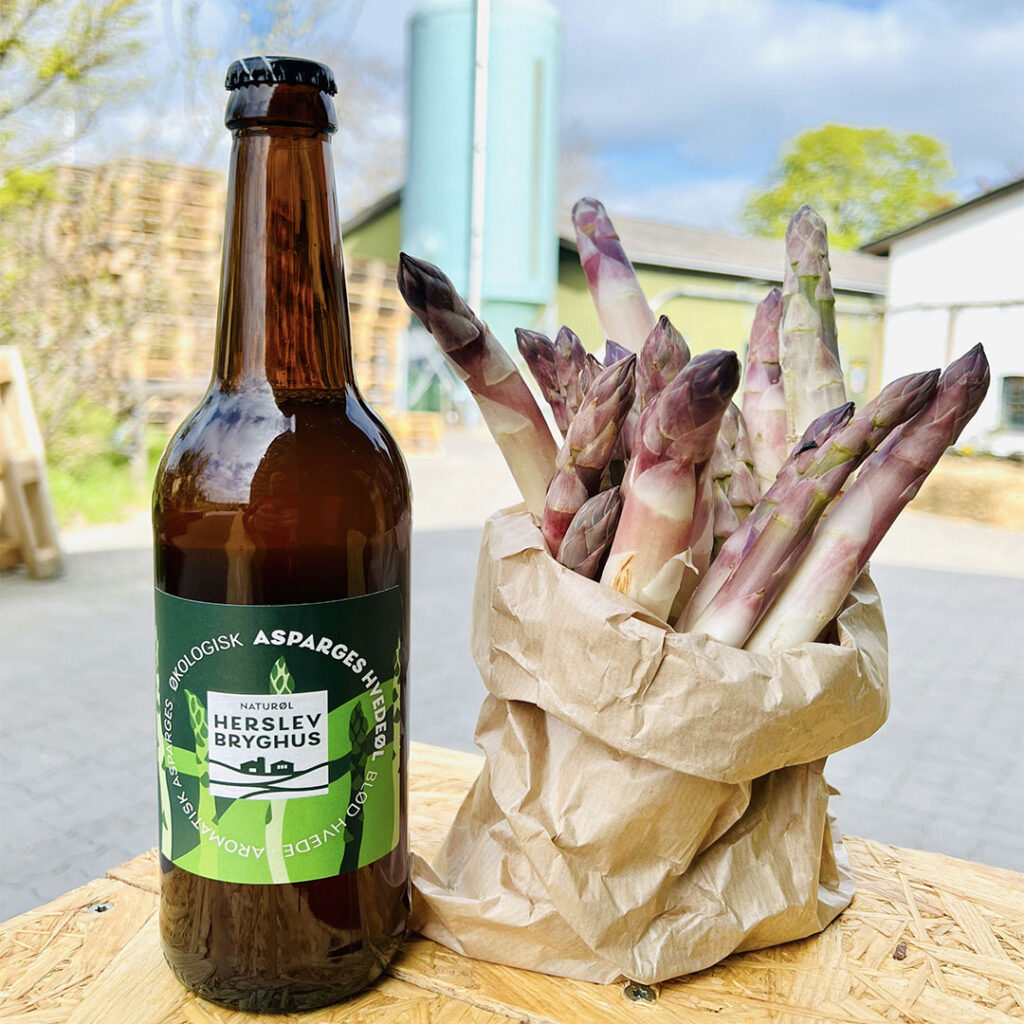
58. Asparagus
Working together with a local farmer, Denmark’s Herslev added asparagus to their organic wheat beer. While the asparagus was quite noticeable, the beer was apparently really balanced.
59. Chicory
The Belgian brewery Hof ten Dormaal created White Gold. For this brew, they replaced part of the hops with chicory root. As a result, it is said to give the beer a yeasty, fruity sweetness, cut by a fresh bitter aroma.
60. Whey
Whey is a byproduct of cheese manufacturing. In a creative collaboration, Brouwdok teamed up with a cheese shop to create a line of beers with whey. Consequently, it gives the beers some fruity notes.
61. Chili cheese
A great dip doesn’t necessarily mean a great beer ingredient. But hey, including cheese and chili spices worked for Modist, as their Chili Cheese Brew sold out immediately.
62. Blue cheese
Fermented cheese and spontaneously fermented beer – Crux Fermentation found a way to bring them together in an interesting Wild Ale. Indeed, it’s a fascinating fusion of flavours.
63. Pretzel
To create the perfect Oktoberfest beer, Captain Lawrence decided to skip a step. Instead of drinking a Märzen and eating some pretzels, they added the snack directly to their brew.
64. Marmite
Camden Town went full circle. In fact, Marmite is a British savoury food spread made from beer yeast. The beer’s name, Love Hate, is based on the strong polarisation between fans and opponents.
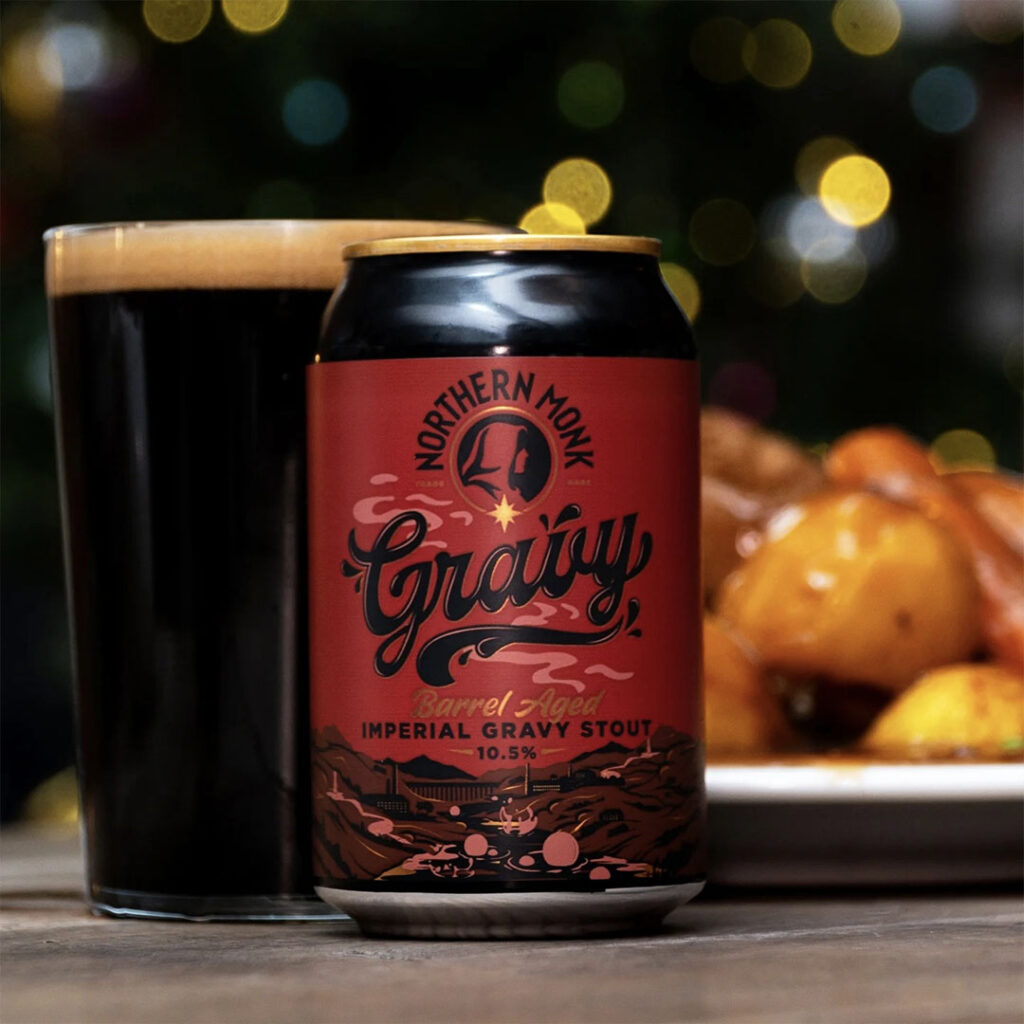
65. Gravy
Who hasn’t had some leftover gravy after cooking? But who would think to add it to a robust Imperial Stout? That honour goes to Northern Monk. Earlier they also made a Yorkshire pudding beer with poatatoes.
66. Pastrami herbs
Pastrami On Rye by Pipeworks collected pastrami herbs in a beer. Specifically, mustard seed, red pepper, allspice, clove, caraway seed, black peppercorn, cinnamon, and nutmeg – all combined to capture that distinct flavour.
67. French fries
A fresh beer with some French fries and an ice cream as desert sounds delicious. But to put them all into a beer? Hoof Hearted added French fries, cacao nibs, vanilla and lactose to their Drop The Fries.
68. Burger buns
Omnipollo not only added French fries to their Super Size Hilma, but also burger buns. With those key ingredients in place, the only thing missing now is the beef burger itself.
69. Hot dog
This might be cheating, because the hotdog is not used in the brewing process. But if you order a Hot Dog Water at Guanella Pass you will get a nice Cream Ale with a piece of hot dog in it.
70. Pepperoni
Some might say pepperoni is the perfect pizza topping, but apparently it also fits beer. Pepperoni Ghost is a Porter with both pepperoni and ghost peppers.
71. Bacon
While it might seem a no-go for beer, there are many beers that add bacon (extract). And why not? It pairs perfectly with pancakes and waffles, so it will probably fit in a sweet Stout too.
72. Jamón ibérico
Iberian Ham belongs to the best and most famous delicacies of the world. And it pairs perfectly with some beers. That is probably why Cerex made a beer with it.
73. Shawarma
Adding shawarma spices to beer is weird enough, but Craft Heads took actual chicken shawarma and put it in their beer. This could be The Avengers’ favourite drink.
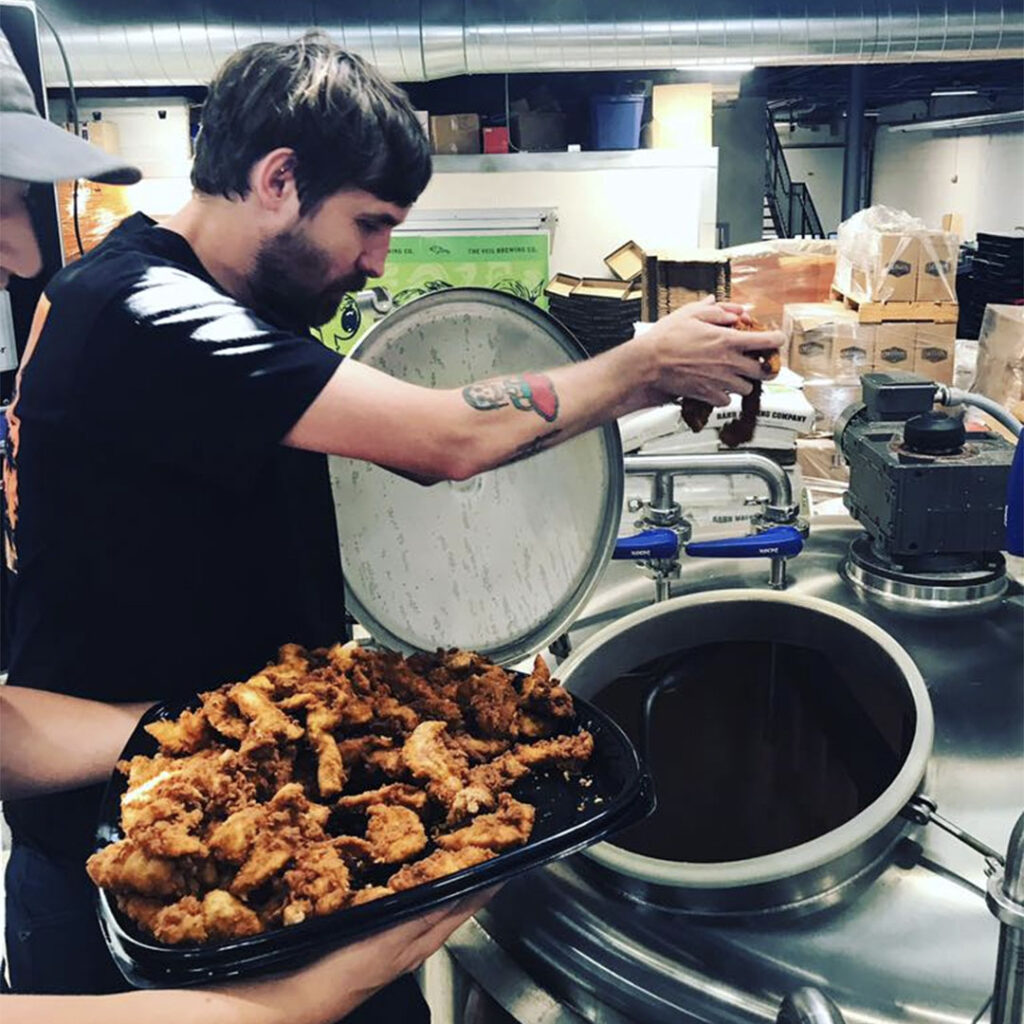
74. Fried chicken
The Veil and Evil Twin came together to brew their Fried Fried Chicken Chicken DIPA. As the name suggests, Chick-Fil-A chicken tenders were added to the mix.
75. Lamb
The Welsh brewers of Conwy added the juices of slow-roasted lamb to their Porter called The Sunday Toast. As a result, this hearty addition perfectly captures the spirit of Welsh tradition.
76. Tuna
Upright brews a Schwarzbier containing katsuobushi, the Japanese name for dried and fermented tuna. This unique ingredient certainly provides an essential umami flavour.
77. Lobster
Maine is the lobster state. So, it may come as no surprise that Oxbow incorporated it into a beer. Unfortunately, the crustacean was still alive when added to the cooking process.
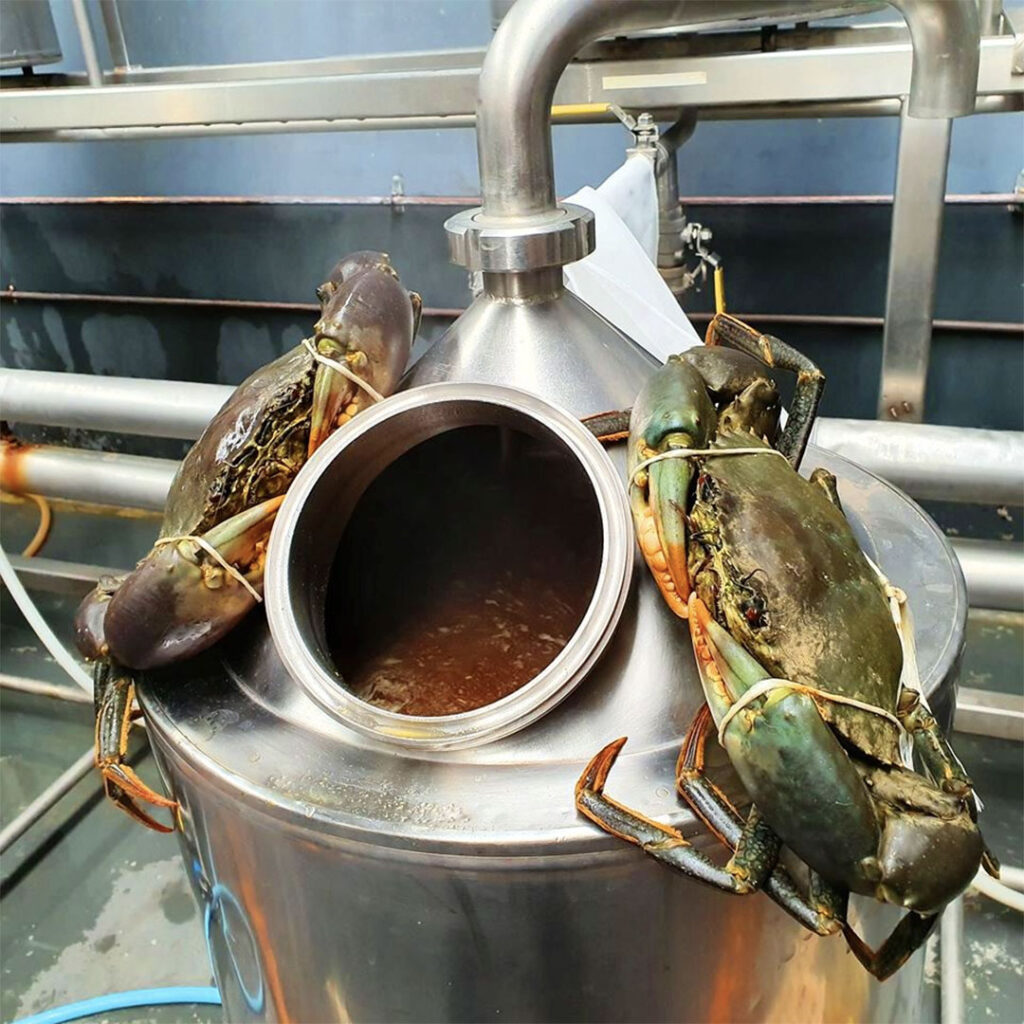
78. Mud crabs
From lobsters, it’s only a small step to mud crabs. Bacchus from Australia added fresh mud crabs to the boil. Subsequently, they topped it off with Thai spices and toasted coconut.
79. Caviar
These sturgeon eggs are not for the financially challenged. That is probably why The Eighth State named their caviar infused beer Rich A*F. It also boasts sea salt and cocoa nibs.
80. Squid ink
The brewer of 3 Sheeps wanted to create a Black IPA without the typical roasted notes. That is why Nimble Lips, Noble Tongue was made by adding squid ink to the equation.
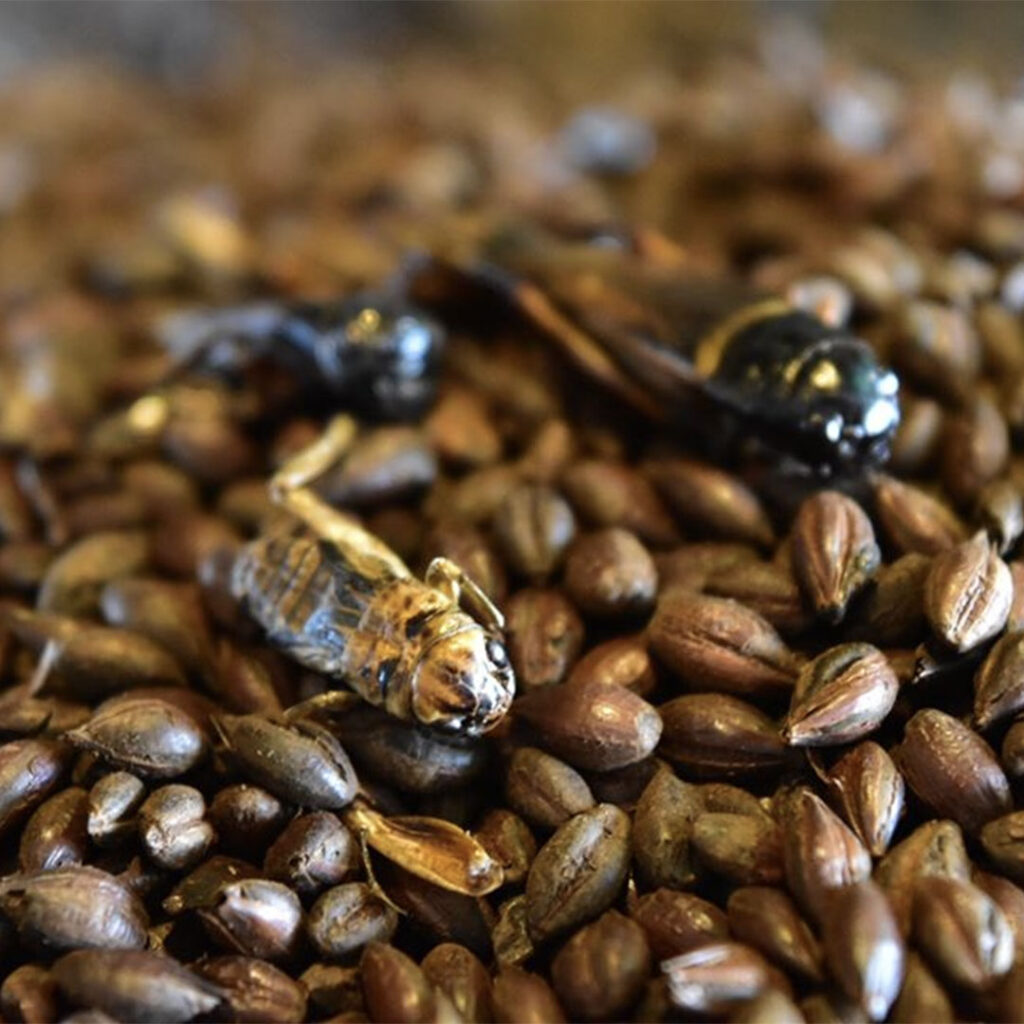
81. Crickets
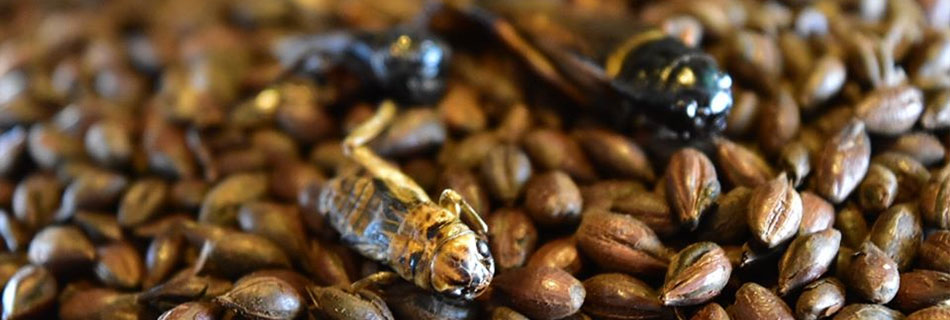
Crickets are a delicacy in some countries and a sustainable alternative to meat. Thanks to the Japanese brewer Tono, they’re now a beer ingredient too. As a matter of fact, the crickets are carefully roasted alongside the malt.
82. Grasshoppers
If crickets are too small, you can always upgrade to grasshoppers. Chapulin Exchange by Benchtop is based on Mexican cuisine, where the insect is a delicacy known as chapulín.
83. Ants
Insects are a rising ingredient, and it’s no surprise that the beer industry has started experimenting with them. For example, Tired Hands made an effort to use salted and roasted ants in their brew Anty Matter.
84. Cochineal
Many food and drinks producers use carmine, but at least Eagle Rock is open about it. This natural red food colouring is made by drying and grinding cochineals, an insect native to South America.
85. Killer bees
Microbiologists from Cardiff University discovered that a dead African killer bee contained usable yeast. They then combined it with yeast from Welsh honeybees to brew a unique killer batch of beer.
86. Scorpions
The Unknown wanted to give their Mexican-style Lager a little sting. That’s why they included 99 scorpions to the brew. Although the real kicker comes from the serrano peppers.
87. Whale
Steðja tried brewing with whale meat, obtained from beached carcasses. Of course, it led to outrage and backlash. In the end, Iceland’s health department banned the product.
88. Pasta
There are some brewers that experimented with pasta in their grain bill. Sometimes it’s done for the repurposing of food waste or cost efficiency, while it also helps with marketing your beer.
89. Flamin Hot Cheetos
Martin House created Fiery Crunchy Cheesie Bois, a sour ale containing Cheetos Flamin’ Hot Snacks. As you might expect, it’s a beer that undeniably divides opinion.
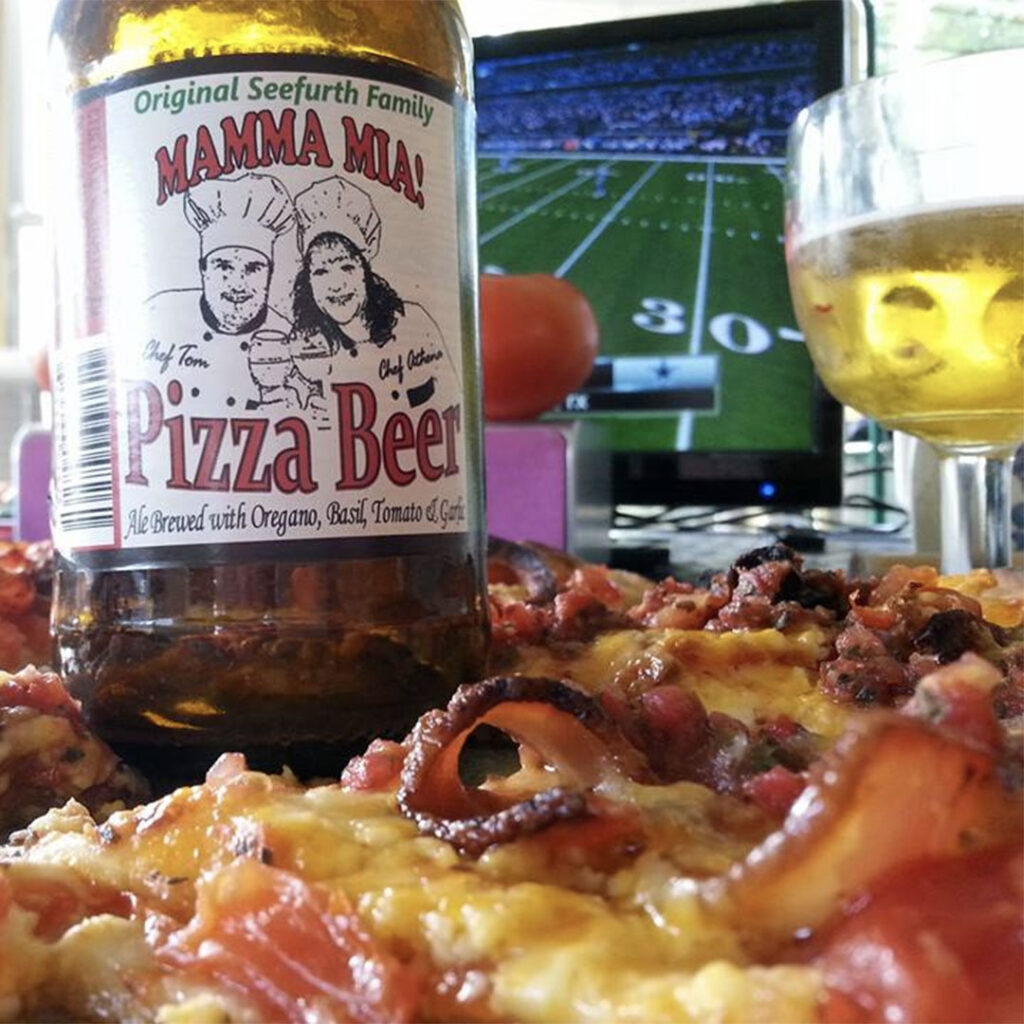
90. Pizza
Pizza and beer go great together. But to combine them in one drink? That’s exactly what Mamma Mia Pizza Beer does, though. It was brewed with ingredients like tomatoes, garlic, oregano, and basil.
91. Curry spices
For some, coconut isn’t enough. They want the full Indian curry experience. That is why New Belgium also added cinnamon, coriander, fenugreek, ginger, kaffir lime, and cayenne pepper to their Coconut Curry Hefeweizen.
92. Kharcho
Brewery Megobrebi from Georgia (the country) kept things local then they added the local spice mix Kharcho to the mix. This contains saffron, dried coriander, utskho suneli, paprika and red pepper.
93. Dashi
Dashi is a popular, traditional Japanese broth made with fish and seaweed. With this in mind, Derailleur decided to add some to their Tetsuwan Dashi beer, a brew that’s as umami-rich as it is unconventional.
94. Tom Kha
It might be Thailand’s best-known dish, but this soup not what you think about when talking about beer. Shades nevertheless tries it in their Thai Tom Kha, adding coconut, lemongrass, galangal, kaffir lime leaf and lactose.
95. Tom Yum
Tom Yum is another Thai soup, but totally different. For this sour ale, Hophead correspondingly added shrimps, mushrooms, tomatoes, chili paste, fish sauce, coconut powder and salt.
96. Gazpacho
While on the subject of soup, we can’t skip the Spanish cold variant. Gosespacho by Barreled Souls sports not only celery salt but also their homemade gazpacho.
97. Bánh Mi
Batch Brewing was inspired by the Vietnamese community in Sydney. As a result, they created the Marrickville Pork Roll featuring cucumber, carrot, coriander, chilli, and… pork broth.

The plain weird
Finally, we have the truly bizarre. Human saliva. Bull testicles. Goat brains. These ingredients have little logic but plenty of shock value. They often make people laugh, or squirm – or both. But in every weird ingredient, there’s a brewer who dared to ask, “what if?” And that question is where creativity begins. These beers break every rule.
98. Money
Evil Twin and Lervig used frozen pizza – an unusual ingredient in its own right – and real Norwegian banknotes to create their Big Ass Money Stout collaboration. Equally important, it boasts a whopping 20% ABV.
99. Collagen
Isn’t collagen used in beauty products? Well yes, but apparently you can also brew with this anti-aging protein. The Suntory beer called Precious is mainly marketed to women. Talk about old-fashioned…
100. Antlers
For the Chinese market, New Zealand craft brewery Moa created a beer containing deer velvet, the furry substance on antlers before they harden. This velvet has long been seen as a healthy substance in China.
101. Wastewater
While every beer uses water, wastewater is a whole other level. But don’t worry. During a statewide drought Stone Brewing treated it for 100% safe use in their Full Circle Pale Ale.
102. Saliva
Based on the ancient Peruvian chicha de jora, Dogfish Head decided to germinate the malt by chewing and subsequently spitting out the grain. As they say, spit happens.
103. Urine fertilized barley
The legendary Roskilde festival collaborated with Nørrebro to create Pisner. More than 190,000 litres (50,000 gallons) of human pee were collected and used to fertilize barley. At least it wasn’t infused in the beer directly.
104. Urine
The same can’t be said for Öklopisner. The Austrian mobile toilet firm Öklo collected urine at building sites and music festivals. It was then filtered to strip out any toxins leaving just pure, odourless and tasteless water.
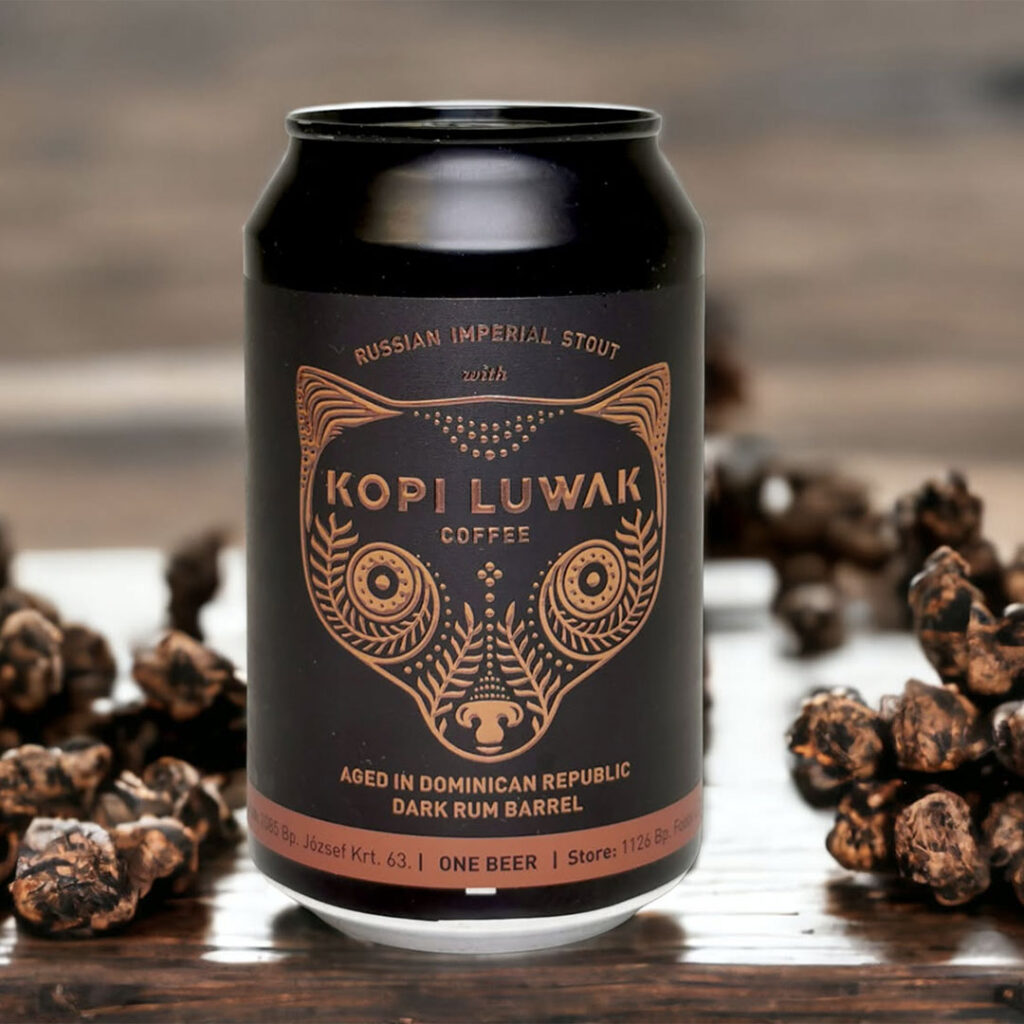
105. Civet cat excrement
We all know about coffee beans that pass a cat’s digestive system to create an expensive coffee called Kopi Luwak. You can also use it to brew though, as Mikkeller Beer Geek Brunch Weasel proved.
106. Elefant excrement
One might be familiar with the Kopi Luwak coffee beans above. But did you know Sankt Gallen uses the same procedure with Thai elephants to brew their Un, Kono Kuro? That’s a hefty heap!
107. Goose poop
For their Wasted Potential Series the Finnish Ant Brew decided to collect the goose poop that flooded their city. They then used it to smoke their malt for a unique Stout.
108. Sheep dung
A long time ago fires were often fuelled by animal droppings. In Scandinavia some brewers still use this technique. For example, several Icelandic breweries use dried sheep manure to roast their malt.
109. Camel dung
While we are on the subject, we have to mention Holy Smokes by Robe Town. Inspired by a neighbouring camel farm, they used camel dung to smoke their malt. Fun fact: leftover malt is fed to the camels, ensuring a never-ending cycle.
110. Castoreum
Castoreum is an exudate from the castor sacs of mature beavers. Despite them being located near the “base of the tail” it’s often used as a vanilla substitute in perfumes and now beer too. Bäver by Närke is a prime example.
111. Rooster carcass
Cock Ale is a legendary beer that was said to be popular in England and Scotland during the 17th century. It contained a whole rooster carcass. In recent years, various modern brewers have tried to recreate the beer.
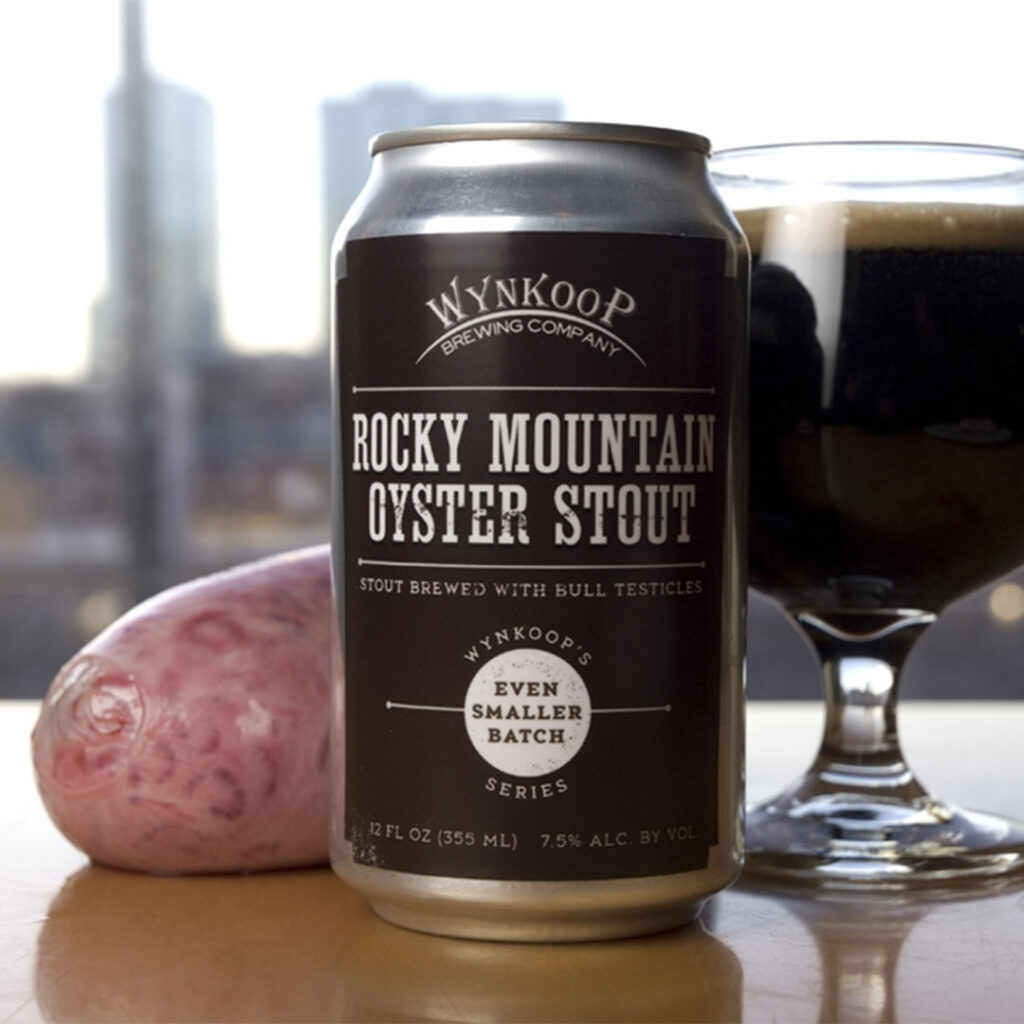
112. Bull testicles
Rocky mountain oyster is slang for bull testicles. Not the first thing that comes to mind when thinking of beer. That didn’t stop Wynkoop including it in their popular Rocky Mountain Oyster Stout.
113. Dung-smoked whale testicles
As if one of the two wasn’t enough to qualify, the Icelandic Steðja smokes whale testicles with sheep dung. They then put three testicles in a tank of Hvalur beer, for that extra flavour.
114. Beef heart
Burke In The Bottle by Samuel Adams is brewed with 20 pounds of grilled sliced beef hearts. It’s no wonder that the brewery worked together with celebrity chef David Burke for this concoction.
115. Beef liver
For Earth Eagle Brewing, just beef heart wasn’t enough. They took a step further and added beef liver too. Unsurprisingly, the brew was aptly called Cap’n Beef Parts.
116. Smoked pig head
Mangalitsa Pig Porter doesn’t feature any smoked malt. Right Brain achieved the flavour by adding a smoked pig head and bones. This is one of the few weird beers that is an ongoing brew.
117. Moose head
We’re not talking about the famous Moosehead beer here. Earth Eagle brewed an ancient recipe, including sage, labrador tea, sweet gale and a boiled moose head.
118. Goat brains
What road to take when you want to celebrate The Walking Dead? For their Walker beer Dock Street added goat brains to the brew. And cranberries, but nobody talks about them.
119. Female yeast
Eager to go viral, The Order of Yoni made a beer that was fermented with human yeast. Female yeast. Yeast from the nether regions. Even more intriguingly, they offered different dames to choose from.
120. Stag semen
There can be only one “winner”. If you are still standing after the last examples, this final beer might just be for you. Unfortunately, Choice Bros just brewed it once in 2015. For a wild-food challenge they brewed a Stout infused with actual stag semen.
Because they used just a little of the liquid, the semen left no flavour or texture. But still, would you give it a try?
From oysters to goat brains – if 120 years of malting experience taught us anything, it’s that brewers never stop experimenting. Feeling inspired? Explore our specialty malts to find your next secret ingredient, or contact our team for expert advice on your next brew.