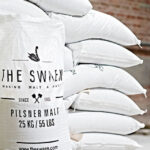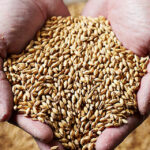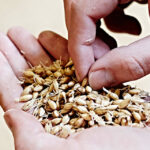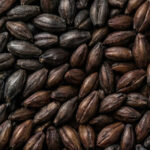

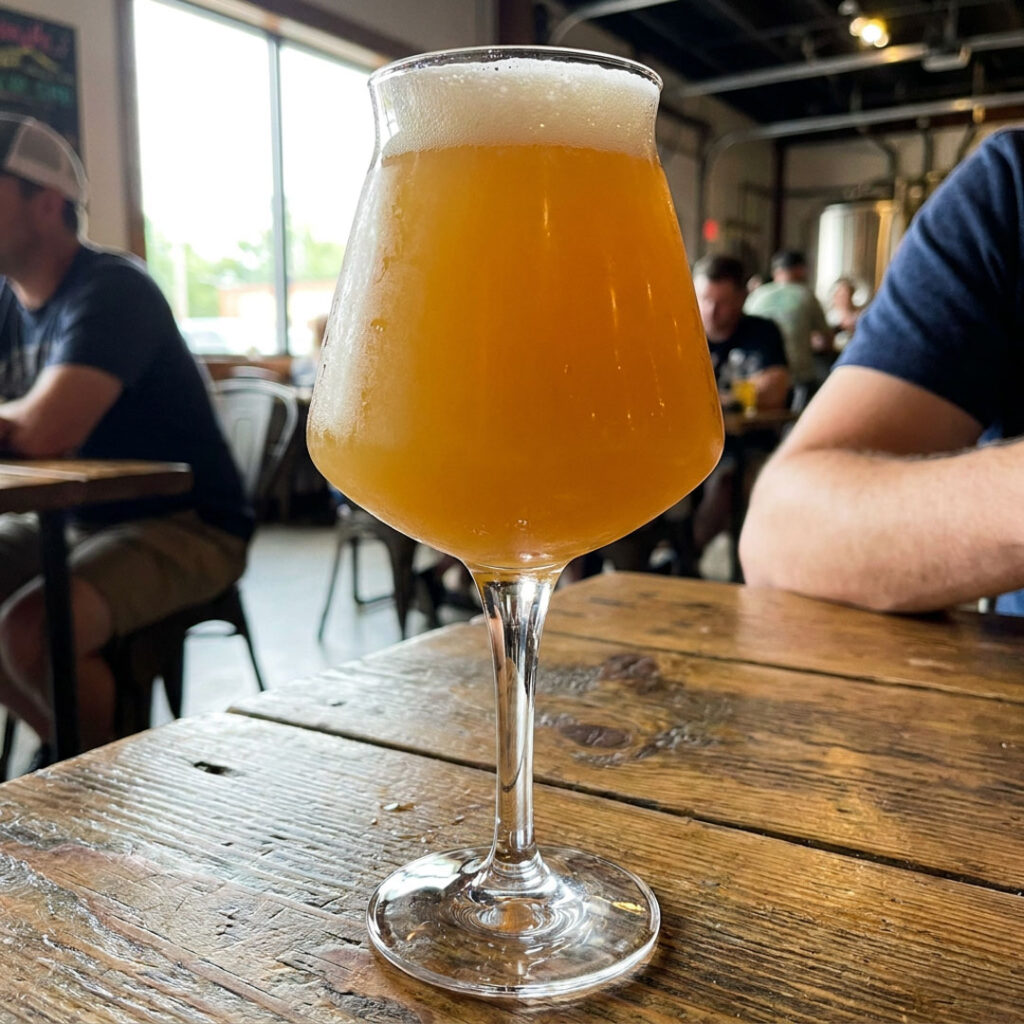
For a decade, craft beer ran on intensity. Hazy, tropical, resinous – the glass as a delivery system for aroma. It was a remarkable era, and it produced remarkable beers. But what happens after the haze? Something is shifting. Tap lists are changing. The orders are getting lighter, and the expectations are getting higher. Across Europe and North America, brewers are finding that their customers want something different: fresh, clean, complex – and, for the first time in years, they want to taste the malt.
That is very good news for maltsters who take their craft seriously.
120 years of perspective
The Swaen’s story begins in 1906, with Brouwerij De Zwaan in Kloosterzande. In 120 years – from local brewery, to malthouse after the war, to today’s specialist craft and specialty maltster – we have watched styles rise, fall, and rise again. What those decades teach you is that the styles built genuinely, proudly, and completely on malt are the ones that outlast every cycle. A haze will always be followed by something else.
But Pilsner, Helles, Vienna Lager, Märzen – these are not trends. They are the architecture of brewing. They were here before the IPA decade, and they will be here long after. What is different now is the craft version. And that changes everything.
Not your father’s lager
The styles generating excitement right now are not the industrial versions. A mass-market Pilsner and a craft-brewed, unfiltered, unpasteurised Pilsner share a name and almost nothing else. The craft version is alive in a way that no stabiliser or flash pasteuriser can replicate: hazy in the glass from suspended yeast, bright with hop character, and carrying a malt depth that is impossible to hide – or fake.
This is what makes these styles so demanding, and so rewarding. With a 100% malt grist and no adjuncts to lean on, every bag of malt matters. There is nowhere to hide a mediocre base malt in a clean Pilsner. There is no caramel sweetness to paper over a thin body, no dry hop load to distract from a flat malt character. The grain has to do the work. And when it does, the result is something that no industrial producer can replicate at scale.
Five styles. One principle.
Pilsner – built on trust
A great craft Pilsner starts with a great Pilsner malt: low colour, low DMS precursors, consistent modification, and enough character to be the flavour – not just the fermentation substrate. In a 100% malt recipe, this malt is every sip. Swaen© Pilsner is built for exactly this exposure: clean, bright, with a soft malt sweetness that comes through fully in an unfiltered pour. Brewers who have switched base malts even once – even accidentally – know how quickly a flagship Pilsner notices the difference.
Suggested grist:
| Malt | Amount |
| Swaen© Pilsner | 97% |
| Platinum Swaen© Chit | 3% |
Target OG: 1.048. Mash at 65°C for 60 minutes. Ferment with a Bohemian or German lager strain at 9°C. Lager a minimum of four weeks. Dry-hop with Saaz at whirlpool only if the brewer wants hop aroma alongside grain character. The Chit malt addition improves head retention and body without altering the colour or flavour profile.
Helles – round and honest
Where Pilsner is crisp, Helles is round. The Munich tradition of a slightly softer, maltier lager has never been more relevant: approachable without being anonymous, endlessly sessionable at a time when drinkers are returning to lower ABV. The key is Swaen© Munich Light — a malt with enough character to give the beer its identity, but never so dominant that it overwhelms the subtlety the style demands.
Suggested grist:
| Malt | Amount |
| Swaen© Pilsner | 82% |
| Swaen© Munich Light | 15% |
| Platinum Swaen© Chit | 3% |
Target OG: 1.046. Mash at 66°C. German lager yeast at 8–9°C. The Munich Light fraction gives the gentle malt sweetness that defines Helles without pushing toward amber or amber-malt territory. If the brewer prefers a more pronounced malt character, the Munich Light fraction can rise to 20% with Pilsner adjusted accordingly.
Vienna Lager – the underrated depth
Vienna Lager is having a moment, and deservedly so. Amber in colour, with a toasty, biscuity malt character that is distinct without being heavy, it fills a gap the market has left open: richer than a lager, lighter than an amber ale, and far more interesting than either description suggests. For brewers looking for a style with genuine differentiation and no need for dry hops or adjunct complexity, Vienna Lager is the answer the malt range was already built for.
Suggested grist:
| Malt | Amount |
| Swaen© Vienna | 55% |
| Swaen© Pilsner | 30% |
| Swaen© Munich Light | 12% |
| Gold Swaen© Red (EBC 40–60) | 3% |
Target OG: 1.050. Mash at 67°C. The Vienna malt provides the toasty, biscuity depth that defines the style. The Pilsner fraction keeps the body clean and the finish from becoming heavy. A small Gold Swaen© Red addition builds the head and rounds the mouthfeel without introducing sweetness that the style does not need.
Märzen – the original seasonal
Märzen is built on Munich and Vienna malts in conversation – a richer malt profile than Helles, a cleaner finish than many darker styles. As a fresh, unpasteurised draught beer, it is extraordinary. The malt complexity that gets compressed and flattened in a pasteurised can opens up completely when the beer is served young and alive. For brewers approaching Märzen in 2026, that freshness is the competitive advantage – and no industrial producer can match it.
Suggested grist:
| Malt | Amount |
| Swaen© Munich Light | 55% |
| Swaen© Vienna | 30% |
| Swaen© Pilsner | 12% |
| Gold Swaen© Munich Light (EBC 80–110) | 3% |
Target OG: 1.054. Mash at 67°C. German lager yeast, ferment at 9°C, cold condition at near-zero for six weeks minimum. The Gold Swaen© Munich Light addition at this low rate adds colour adjustment and a very subtle toffee depth without making the beer taste sweet. Märzen should taste malty, not sweet – the distinction matters.
Mexican Lager – precision in a pale glass
The craft reinvention of Mexican Lager is one of the most interesting things happening in brewing right now. Strip out the industrial adjuncts, brew 100% malt on a well-modified Pilsner base, and the result is a beer that is extraordinarily clean: bright, delicate, and entirely dependent on the quality of the grain. There is nothing to hide behind. The craft version of this style is a precision exercise – and an excellent case for single-sourced, consistently modified Pilsner malt.
Suggested grist:
| Malt | Amount |
| Swaen© Pilsner | 92% |
| Swaen© Wheat Classic | 5% |
| Platinum Swaen© Chit | 3% |
Target OG: 1.044. Mash at 64°C for maximum fermentability – this style should finish very dry and crisp. The Wheat Classic addition softens the mouthfeel; the Platinum Swaen© Chit, with its retained high-molecular-weight proteins, lifts head retention without adding colour or flavour. Mexican Lager served unpasteurised with a lime garnish and a brewer’s name behind it is a very different product to what the style became in the industrial era. Drinkers are finding that out.
The 100% malt commitment
For brewers considering this shift, the principle is consistent across all five styles: 100% malt, no adjuncts, brewed fresh, served young. That combination – which is simply how great Lager has always been made – produces beers that bear no resemblance to their industrial counterparts.
The decision to brew 100% malt is also a decision to care deeply about your base malt. In a complex grist, a mediocre Pilsner malt can disappear behind specialty additions. In a Helles or a Mexican Lager, it cannot. The base malt is the beer. The COA on the bag is not a formality – it is the specification the beer will be brewed to. Read it. Ask questions. Switch if the answers are not satisfactory. These styles do not forgive indifferent ingredients. That is not a warning. It is an invitation.
After 120 years, The Swaen has a perspective on what endures. The styles that reward great malt are the ones that outlast every era – because they are not built on novelty. They are built on craft. Right now, they are exactly what brewers and drinkers are reaching for. The malt was always here. The moment has arrived.
Ready to brew these styles with the right malt? Our team is happy to advise on the perfect grist for your recipe. Get in touch.