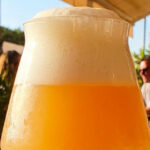
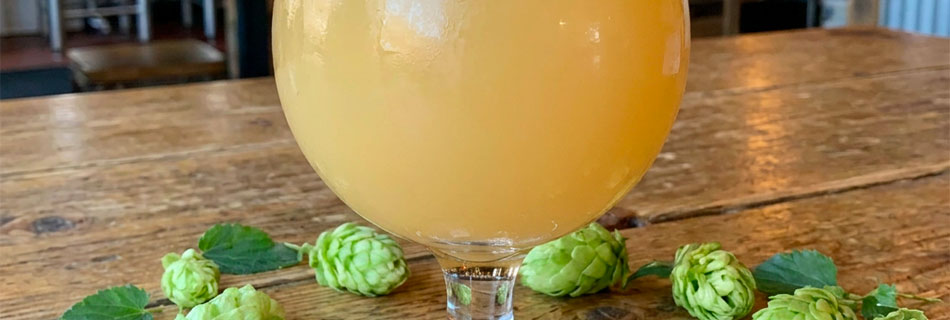
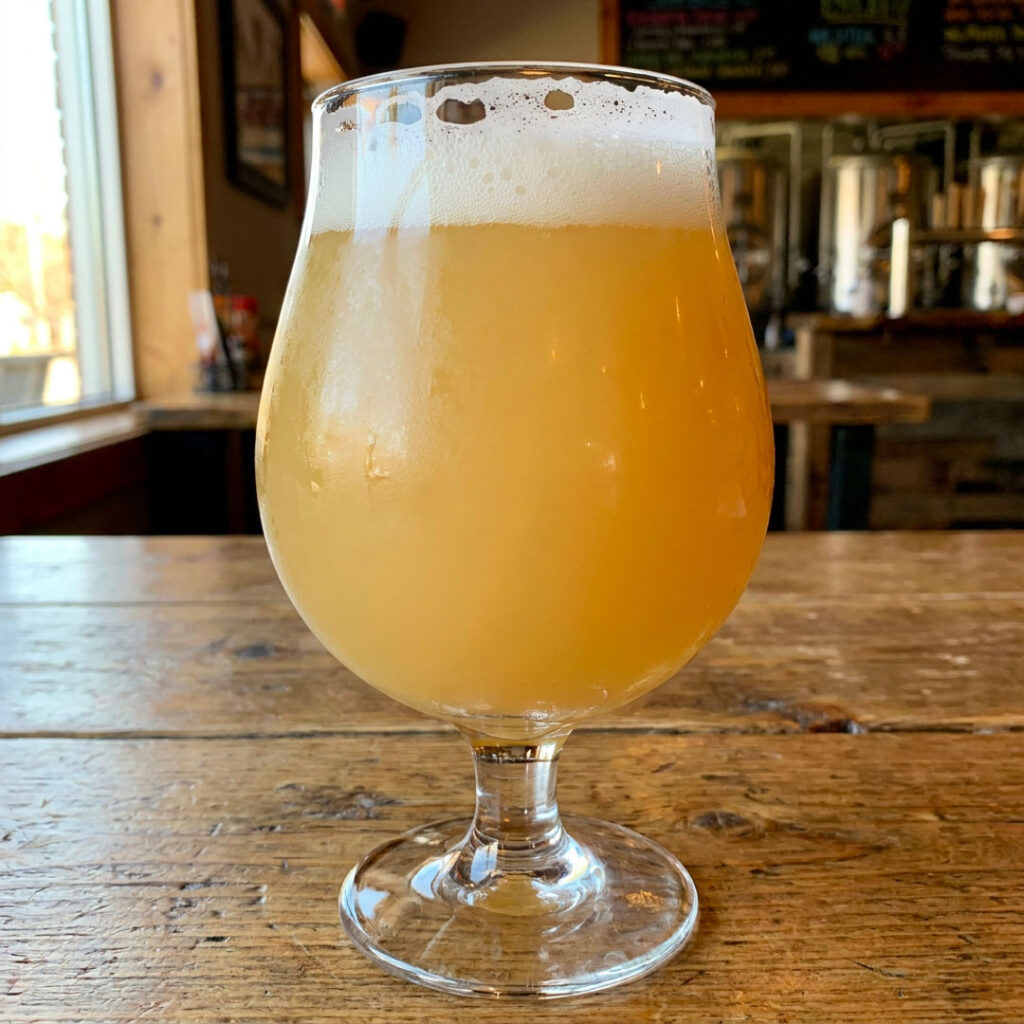
The Hazy IPA has settled down. The extreme cloudiness and syrupy weight of the style’s early years have given way to something more refined. Soft, juicy, and genuinely drinkable, with the haze supporting the hops rather than competing with them. Designing a modern Hazy IPA grist starts in the mash tun, long before a single hop hits the whirlpool.
Softness, stable haze, and a clean platform for aroma are three different jobs. Each one comes from a different part of the grist. Understanding what each malt contributes – and what it costs you in the brewhouse – is what separates a Hazy IPA that pours like silk from one that just looks murky.
Base malt
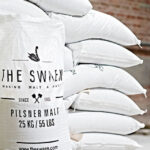
A Hazy IPA lives or dies on restraint from the base malt. It needs to disappear into the background so the hops and adjuncts can do their work. Swaen© Lager (3–4 EBC / 1.7–2.1 ºL) is the right tool here. It’s clean and light with only a whisper of sweetness and well-modified enough to run a straightforward single-infusion mash.
For this style, Lager is the better foundation, leaving the flavour space open for everything layered on top of it.
Haze and body
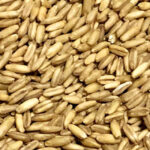
This is where the texture gets built. Swaen© Wheat Classic (3–5 EBC / 1.7–2.3 ºL) brings the protein load that forms and holds a stable haze, along with a light sweetness and better head retention. Swaen© Naked Oat (3–4.5 EBC / 1.7–2.2 ºL) is huskless, so it adds its trademark silky mouthfeel without the harshness a husked oat can bring to the mash. Used together, wheat and oats do the job neither can do alone – protein for haze, oats for texture. The ratio matters. Too little of either and the beer feels thin and the haze drops out. Too much and lautering slows to a crawl. Most modern Hazy IPA grists land somewhere around 20–30% wheat and 5–10% oats. Every brewhouse’s filtration setup will shift that number.
Unmalted Flaked Wheat and Flaked Oat earn a place in the same conversation. Skipping the malting process means less protein modification, so both retain more of the haze-forming and body-building material a Hazy IPA relies on. Flaked Wheat brings a spicy, bready graininess and firmer head retention. Flaked Oat leans further into silkiness and haze. Neither needs its own conversion. They ride on the enzymes from the base malt, so they’re a straightforward way to push texture and cloudiness further without adding a second malted grain to the bill.
Fermentability and softness
The signature Hazy IPA finish – soft, faintly sweet, never cloying – comes from managing what doesn’t ferment out. Platinum Swaen© Dextrin (3–6 EBC / 1.7 – 2.8 ºL, fermentability capped around 50%) is built exactly for this. It adds body and mouthfeel without dragging colour or sweetness up with it. Combine it with a slightly elevated mash temperature and you can dial in the balance between dryness and fullness without touching the hop bill at all.
Grist isn’t the whole story
Malt builds the frame, but two other variables decide whether that frame gets filled in properly: water and hop selection. A chloride-forward water profile, with sulfate kept low, rounds out the palate. It and supports the soft, rounded impression the grist is working to create. A sulfate-heavy profile will fight it, sharpening the finish in a way that reads as dry rather than juicy.
Hop choice matters just as much. Thiol-rich, tropical varieties added late and in the dry hop, rather than for early bittering, are what actually deliver the juiciness drinkers associate with the style. Get the grist right and get the water and hops wrong, and the beer still won’t taste like a Hazy IPA. All three have to point the same direction.
Putting it together
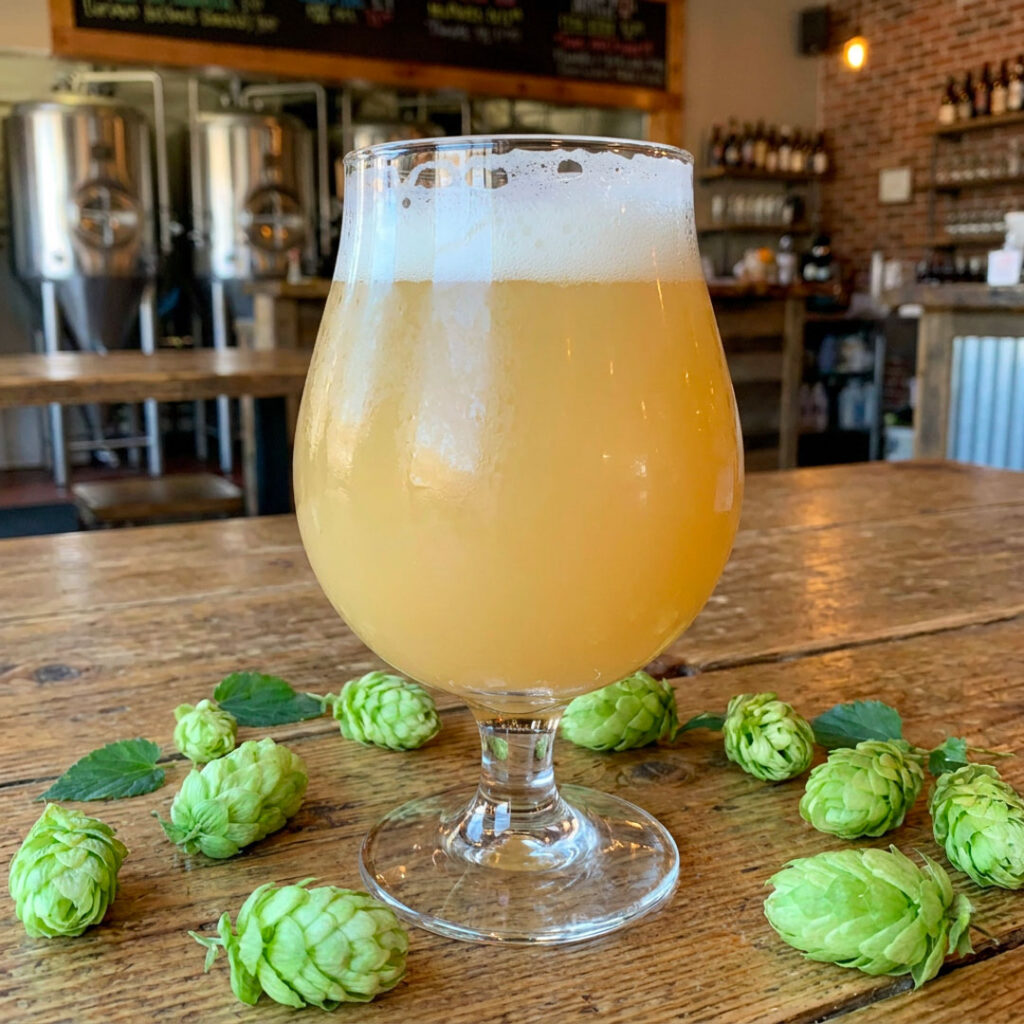
Start with Swaen© Lager as your base, layer in wheat and oats for haze and texture, and use Platinum Swaen© Dextrin and mash temperature to fine-tune the finish. Then check your process. High oat and wheat percentages will change how your mash flows and how your lauter performs. That is why it’s worth testing at a smaller batch size before scaling. Match that grist to a chloride-led water profile and a hop schedule that leans on late and dry additions. The malt, water, and hops end up working as one system rather than three separate decisions.
Want to fine-tune your own modern Hazy IPA? Get in touch with our team to talk through base malt and adjunct options for your recipe.