
As we celebrate our 120th anniversary, we reflect on how scientific brewing has transformed our craft since 1906. In those early days, brewing was guided primarily by experience, intuition and tradition rather than laboratory data or standardised measurements. Maltsters relied on observation, touch and taste to assess quality, and consistency depended heavily on the skill of individuals working the floor.
From intuition to early control
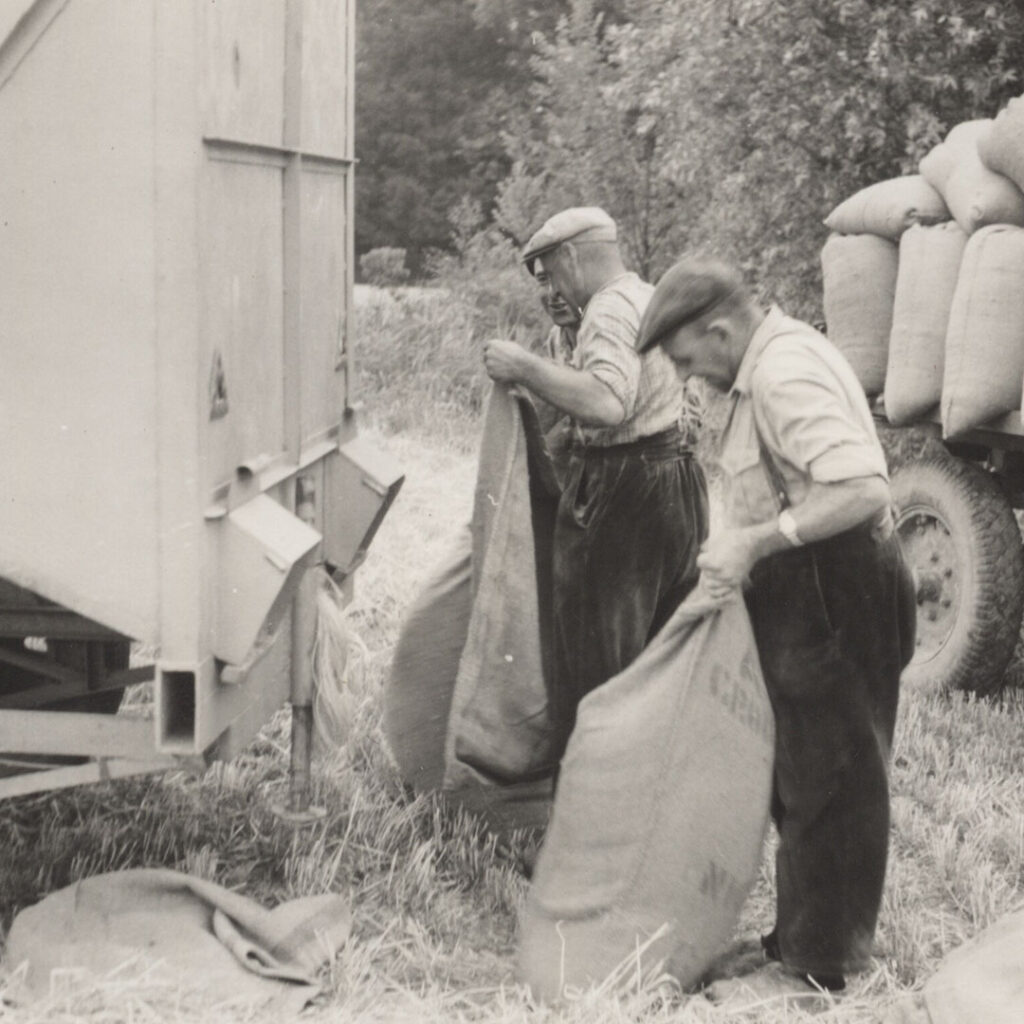
At the beginning of the twentieth century, barley quality varied significantly from harvest to harvest. Weather conditions shaped protein levels, kernel size and germination capacity, while formal raw material specifications were limited or entirely absent. As a result, variability was not unusual and was often accepted as part of the craft.
Maltsters judged modification by visual inspection and by physically biting kernels to assess texture and hardness. Moisture content was estimated by feel, not by calibrated instruments. Brewers, in turn, responded to issues once they appeared in the brewhouse, adjusting mash schedules or hop rates to compensate for inconsistent extract or sluggish lautering. Consequently, brewing was frequently reactive rather than predictive.
The rise of scientific brewing standards
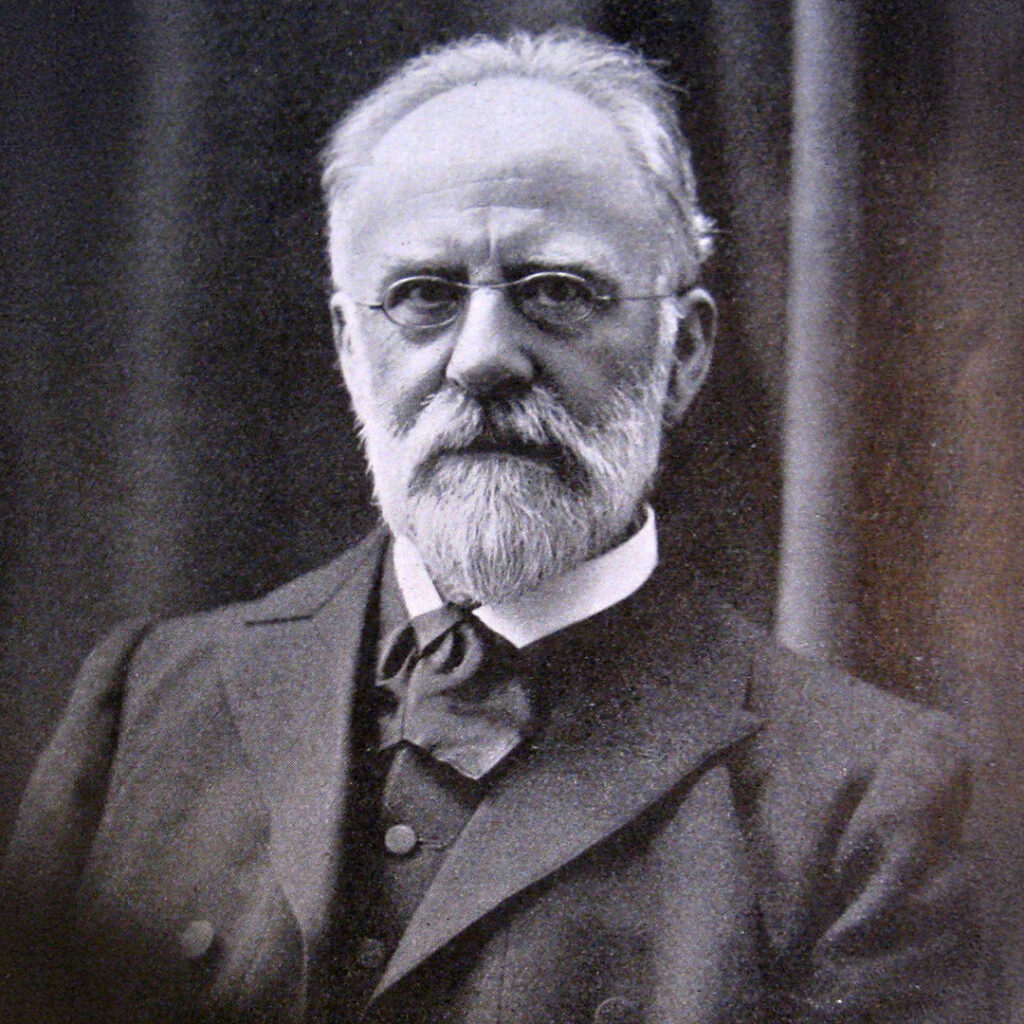
However, scientific brewing gradually reshaped the industry. In the late nineteenth and early twentieth centuries, pioneers such as Emil Christian Hansen demonstrated how microbiology could bring control and repeatability to fermentation. Meanwhile, institutions such as VLB Berlin helped formalise brewing analysis and establish shared standards. Therefore, laboratory methods slowly became embedded in professional practice.
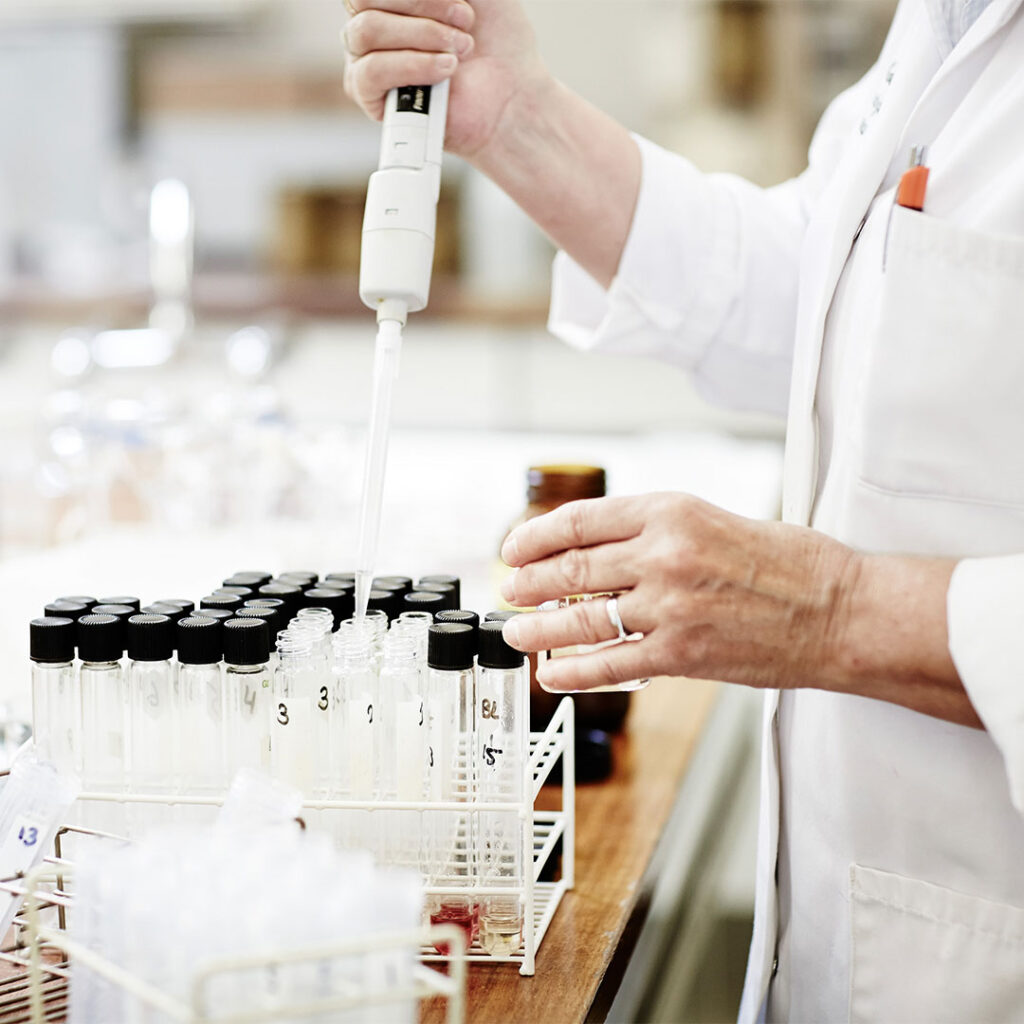
As the twentieth century progressed, malt analysis evolved into a structured discipline and became a cornerstone of scientific brewing. Standardised methods were developed to determine extract potential, colour, enzyme activity and protein modification. Parameters such as diastatic power, friability and soluble nitrogen could now be quantified with reproducible accuracy. Consequently, maltsters were able to describe performance characteristics before the malt ever reached the mash tun.
Precision, predictability and partnership
This shift fundamentally changed brewing. Instead of discovering problems during production, brewers could evaluate malt specifications in advance and adjust recipes proactively. Yield became more predictable. Lautering performance improved. Beer clarity and stability became more consistent. Thus, scientific brewing strengthened the relationship between maltster and brewer through shared data and transparency.
Today, scientific brewing is both highly precise and deeply integrated into quality management systems. Modern laboratories – like ours – measure free amino nitrogen(FAN), total protein, soluble nitrogen, diastatic power, beta-glucan and viscosity with advanced instrumentation and validated methods. Near-infrared spectroscopy enables rapid, non-destructive analysis at intake and throughout processing. Moreover, digital data tracking ensures that each batch is monitored from barley reception to finished malt dispatch.
Equally important, barley breeding and agronomy have become more science-driven. Varieties are selected for specific malting performance traits, including extract yield, enzyme balance and modification potential. Agronomic monitoring supports consistent protein levels and kernel plumpness year after year. As a result, raw material variability has significantly decreased compared with 120 years ago.
Scientific brewing as a foundation for innovation
The impact on efficiency is substantial. Higher and more predictable extract improves brewhouse yield and profitability. Controlled modification enhances lautering speed and reduces production downtime. Balanced enzyme activity supports reliable fermentation performance and flavour development. Therefore, scientific brewing directly contributes to both operational stability and financial performance.

Furthermore, scientific brewing has strengthened innovation. Specialty malts can now be designed with targeted colour ranges, flavour intensity and functional properties. Roasting curves are validated through measurable outcomes rather than guesswork. Consequently, creativity is supported by data, allowing brewers to experiment with confidence while maintaining consistency.
Compared with the early twentieth century, uncertainty has been dramatically reduced. Brewers no longer rely solely on sensory judgement or inherited knowledge. Instead, they combine craftsmanship with analytical insight, creating a balanced approach that honours tradition while embracing precision.
In essence, scientific brewing transformed brewing from a reactive craft into a proactive, science-informed discipline. Quality is built into the process rather than inspected at the end. Yet craftsmanship remains central. Experience still matters, but it now works alongside measurable proof. Ultimately, scientific brewing protects flavour, efficiency and reputation. It safeguards margins while preserving character. And above all, it allows brewers to innovate boldly, knowing that their foundation is stable, measurable and reliable.
Curious how malt analysis can improve your brew?
From extract potential to enzyme activity, The Swaen’s experts bring 120 years of scientific brewing knowledge to craft brewers and distillers worldwide. Contact our team for personal advice.