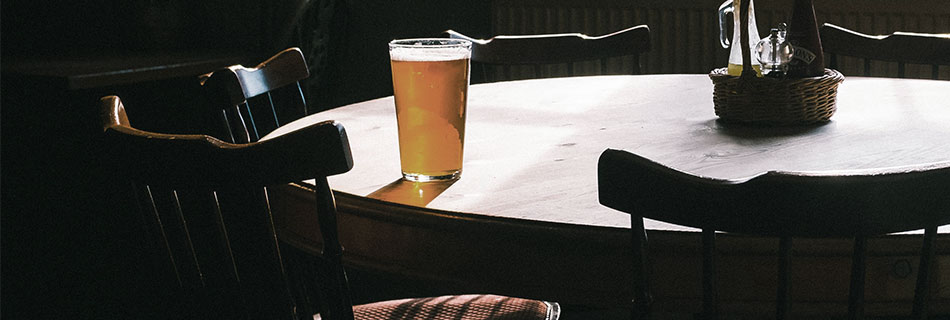
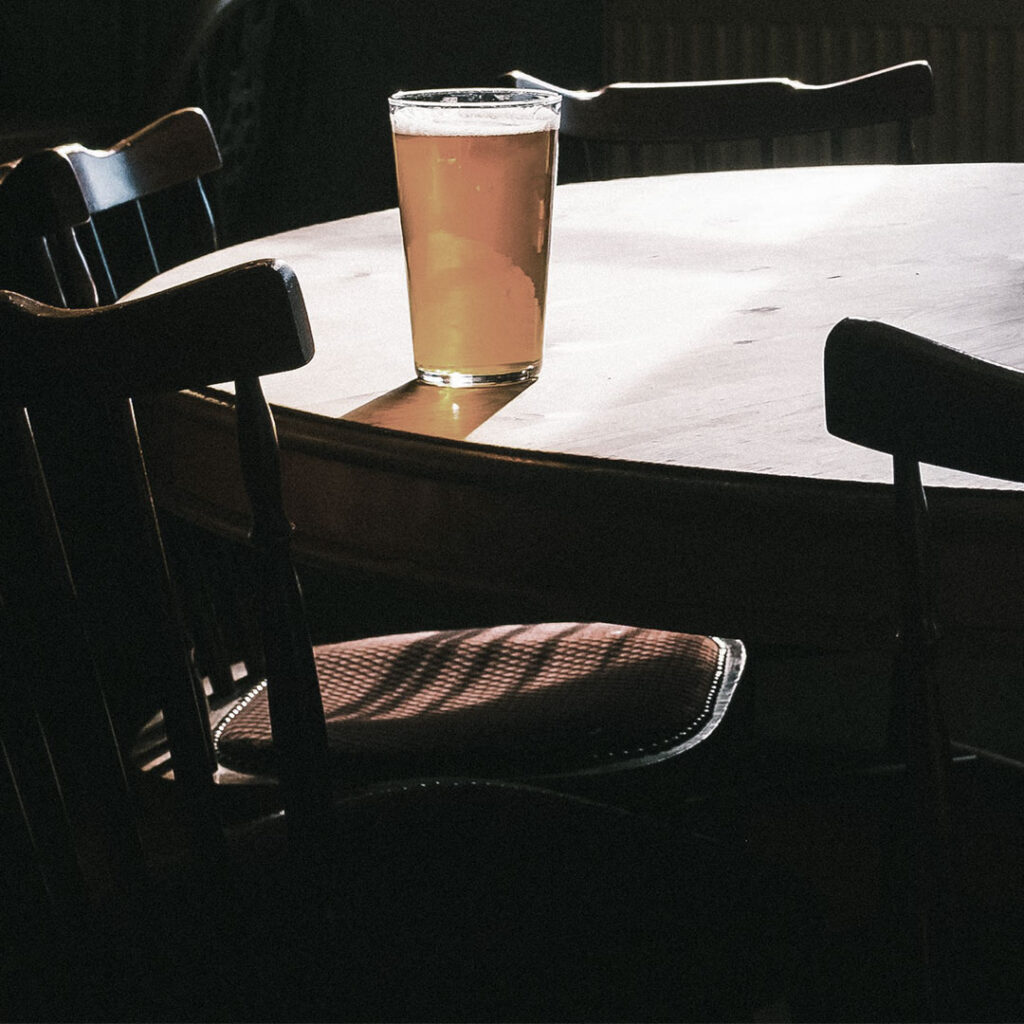
In 2026 we are celebrating our 120th anniversary. What could be more fitting than drinking a beer from that period? Not literally, of course. That beer would be far beyond its “best before” date. But we did create a Dutch Table Beer recipe that represents beers of that period.
In the Netherlands, Tafelbier (Table Beer) was a staple of daily life well into the twentieth century. Low in alcohol – often between 0.5% and 2.5% ABV – it was consumed not just by adults, but also by children, workers, and the retirees. Table beer was typically served with meals, much like bread, and was brewed with economy and utility in mind. It was part of a household’s rhythm.
Around 1906, Dutch Table Beer would have been mild, quite sweet, and malty – far from the hoppy bitterness found in modern styles. It often had a grain-forward flavour, with notes of bread crust, light caramel, or toast, depending on the malts used. Colour ranged from pale amber to deep brown, especially in regions where darker roasted malts were preferred.
It was usually unfiltered and occasionally cloudy, with low carbonation and minimal head retention. Though modest in strength, this beer was nourishing and satisfying – a quiet companion to the Dutch working day, brewed for sustenance, not show.
| Batch size | 20 L |
| Original gravity | 1,025 |
| Final gravity | 1,006 |
| Colour EBC | 35 |
| Colour Lovibond | 13.9 |
| IBU | 15 |
| ABV % | 3.0 |
| Carbonation | 4.5 |
| pH | 4.4 |
Grain bill
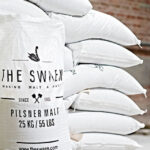
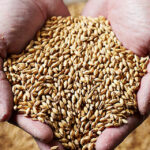
The grain bill for this Dutch Pilsner recipe is simple yet essential to the beer’s character. At its heart is – of course – Pilsner malt. This provides the beer’s light golden colour, subtle sweetness, and a smooth, rounded body that balances the assertive hop bitterness.
| Variety | Quantity kg | Quantity lb | Colour EBC | Colour ºL | Ratio |
|---|---|---|---|---|---|
| Swaen© Dutch Pilsner | 1.5 | 4 | 4 | 2 | 56% |
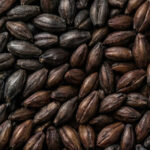
| Swaen© Munich Dark | 0.6 | 1.3 | 20 | 8 | 22% |
| Gold Swaen© Munich Light | 0.3 | 0.7 | 95 | 35 | 11% |
| Wheat flakes | 0.3 | 0.7 | 11% |
Mash schedule
Step mash (if you’re aiming for historical accuracy):
- Protein rest: 20 minutes at 50°C (122°F).
- Saccharification:
- 35 minutes at 63°C (145°F).
- 20 minutes at 72°C (162°F).
If a step mash isn’t feasible, you can always do single infusion for 60-75 minutes at 66°C (151°F).
Hops
Styrian and Fuggle style hops give the slightly spicy tones you want in this Table Beer.
| Variety | Duration | IBU |
|---|---|---|
| Styrian styles | 60 min. | 10 |
| Styrian styles | Late hopping. | 5 |
Yeast
Belgian farmhouse-style yeast would be ideal for a Table Beer recipe. You should aim for some rustic, lightly fruity, and peppery esters. Examples could be Fermentis LD20 or a cool fermented Saison strain.
Water profile
Local water at the time was typically moderate in hardness, low in sulphates. There is no need for major adjustments, unless your water is very soft or high in minerals. If needed, we would add chlorides instead of sulphates. Boil for 60 minutes.
Fermentation
Ferment at 18-22°C (64-72°F). Condition in bottles with low carbonation, just a soft sparkle.
Results
This low alcohol Dutch Table Beer recipe is made for easy drinking, with a clean and slightly dry finish. It was the soda of that era.
Appearance
Historically, this beer might be slightly cloudy.
Taste profile
The beer has a light fruity yeast profile, with some soft bitterness. It should be gently malty, with hints of toast and biscuit.
Food pairing
As Table Beer was meant to accompany your meal, we recommend a typically Dutch dinner of the early twentieth century. This “Stamppot” would consist of mashed potatoes and cabbage, and sausage.
Curious what beer tasted like in 1906? This Dutch Table Beer recipe brings history to life – with Swaen© Dutch Pilsner at its heart. Discover Swaen© Dutch Pilsner or contact our team for expert advice on your next historical brew.