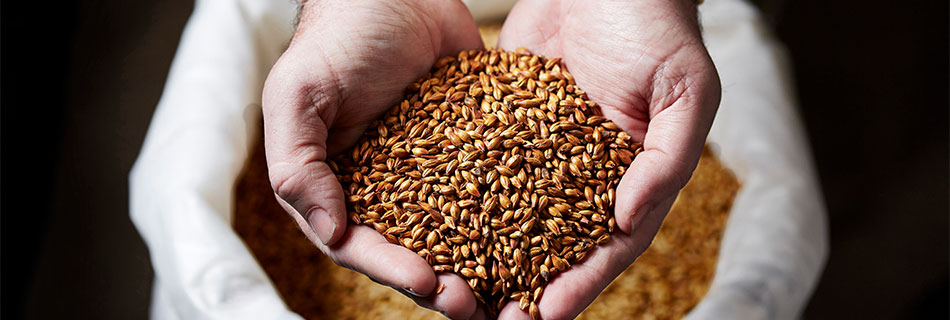
The right caramel malt can define the character of your beer. From subtle sweetness to deep colour and rich mouthfeel, caramel malts shape both flavour and structure. Used well, they add complexity and balance. Used poorly, they can quickly dominate. We’ll walk through how we make caramel malt, which temperatures matter along the way, why we use a drum roaster instead of a kiln, and how to pick the right type from our Gold Swaen© range for your recipe.
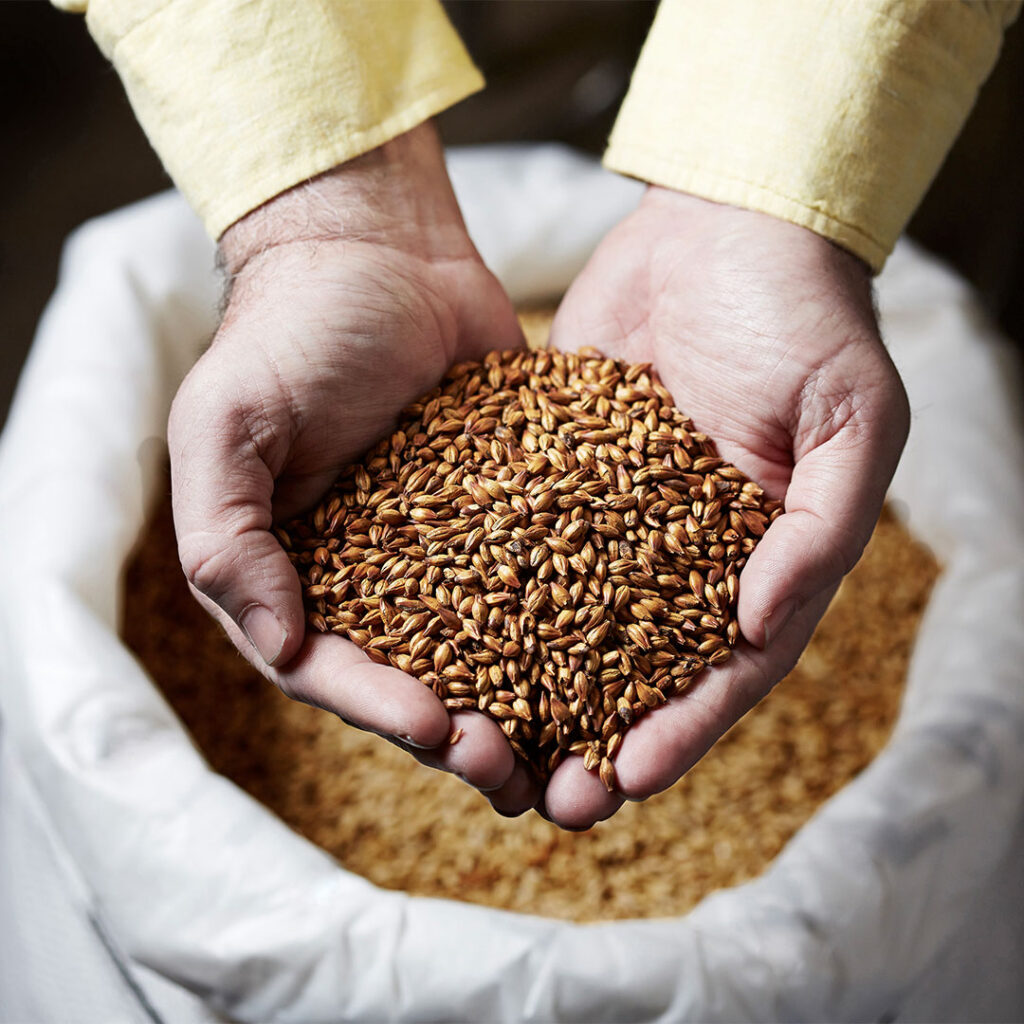
What are caramel malts?
It starts with how we make them. We produce caramel malts, also known as crystal malts, in our Probat drum roaster. This process converts starches into sugars inside the grain, which we then caramelise during drying.
The result is a malt that contains unfermentable sugars, contributing sweetness, body, and colour. Unlike base malts, caramel malts do not rely on mash conversion. Instead, they bring ready-made flavour and texture directly into your wort.
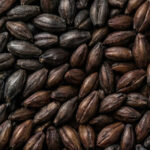
Their impact depends on colour level. Lighter caramel malts offer gentle sweetness and light honey or toffee notes. Darker versions move towards caramel, dried fruit, and even burnt sugar character.
What temperatures are involved?
We build caramel malt in two consecutive stages, and the temperature profile between them largely determines the outcome.
Saccharification
The process starts with moist green malt, taken straight from our Lausmann germination avenue into the drum roaster – rather than being kilned. With the vents closed, temperature rises to 64–72°C. At that temperature, the malt’s own α- and β-amylases break down starch (amylose and amylopectin) into maltose. Because the drum rotates continuously and distributes heat evenly, this conversion completes within about 30 minutes – a level of homogeneity a static kiln simply cannot match. During this stage, the interior of the kernel effectively liquefies before drying even begins.
Caramelisation
Temperature climbs further and caramelisation begins. From 120°C, the sugars formed during saccharification start breaking down into more complex molecules, producing the rich caramel and toffee character caramel malt is known for. As temperature continues to rise – in our drum roaster up to 235°C depending on the desired type – Maillard reactions and sugar degradation intensify, deepening colour and building more complex notes.
Why a drum roaster instead of a kiln?
A kiln is built to dry a more or less static bed of malt evenly while preserving enzyme activity. Ideal for base malt, but not for what caramel malt requires. Caramel malt needs moist green malt to first sit in a sealed, humid environment at a precise temperature to saccharify, then be gradually heated to caramelise. A kiln can’t offer that combination. It simply doesn’t reach the right temperatures and the malt won’t caramelise.
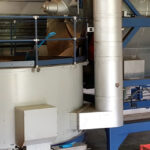
Our Probat drum roaster solves that. The drum rotates continuously, and internal blades keep every kernel moving and evenly exposed to heat. The vents can be closed to trap moisture during saccharification, then opened to dry and caramelise the malt in a controlled way as temperature rises. That gives us precise control over colour, flavour, and consistency, batch after batch.
How a brewer sees that difference in practice
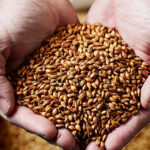
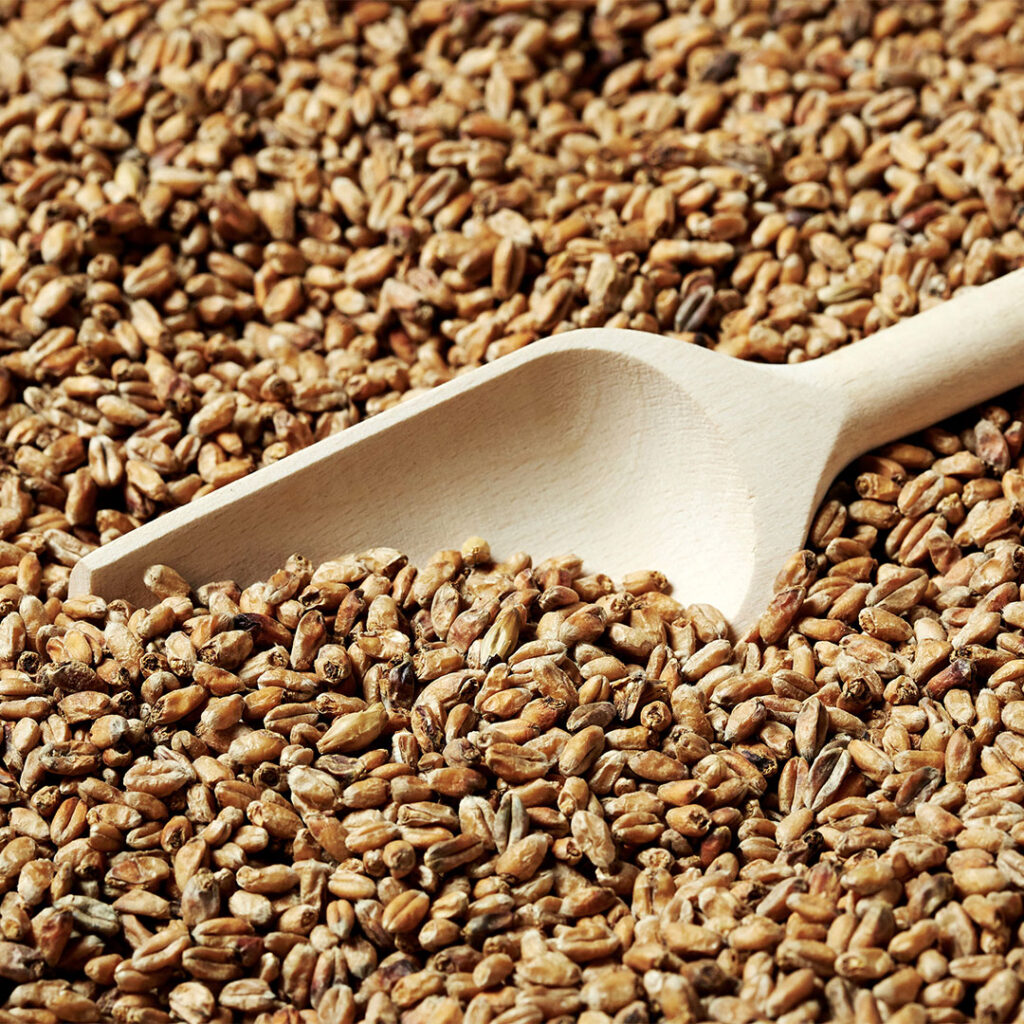
The difference is visible the moment you cut a kernel open. Drum-roasted caramel malt is glassy and crystallised inside – the sugars are fully converted and set. Kiln-dried malt often stays partly mealy and starchy, because conversion is rarely as homogeneous as it is inside a rotating, sealed drum.
That difference carries straight through to brewing and to the glass. Because the sugars are already converted and caramelised, drum-roasted caramel malt contributes body, sweetness, and colour directly to the wort, without needing to convert during the mash.
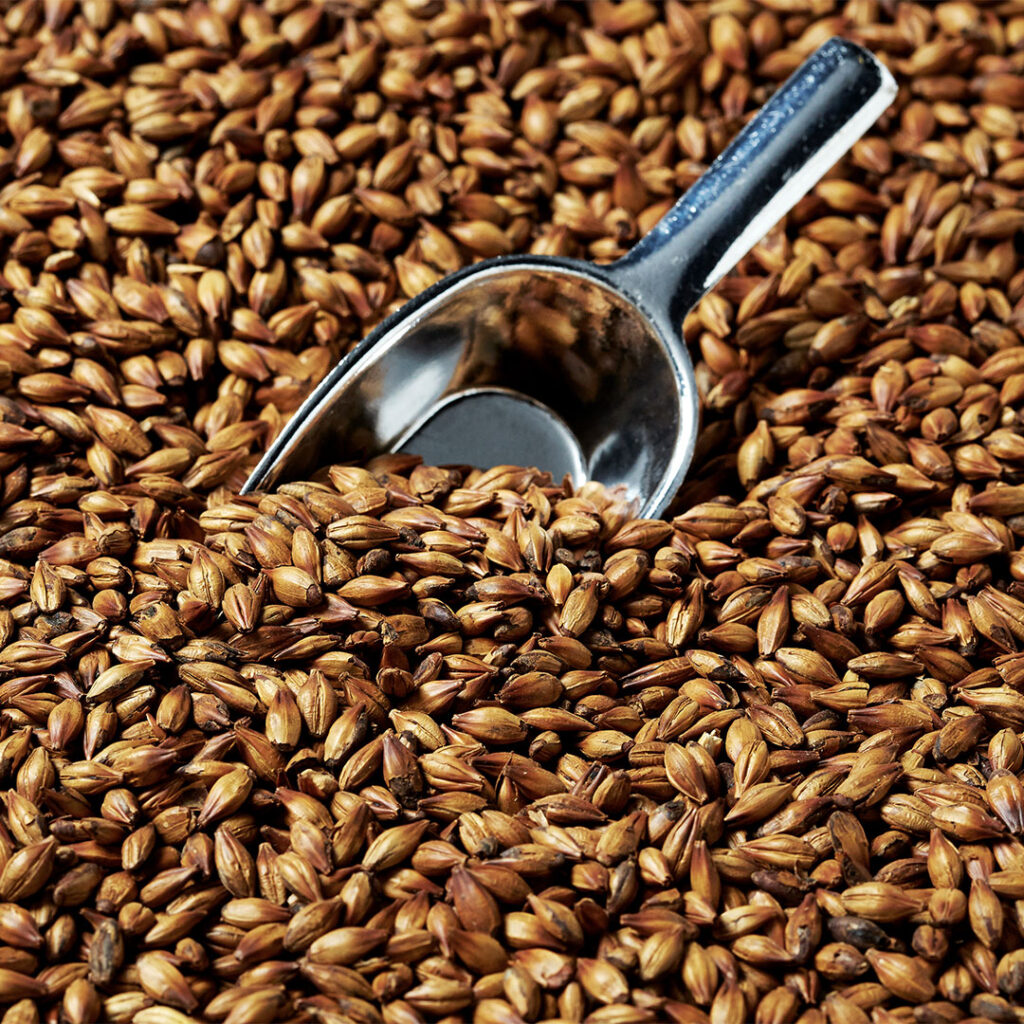
Even treatment of every kernel also makes results more predictable from batch to batch. And even at the same EBC on paper, you can taste and feel the difference: deeper caramel perception, richer mouthfeel, longer-lasting sweetness, and better foam stability than a kiln-dried malt of the same colour.
How colour influences flavour and performance
When choosing the right caramel malt, colour is your main guide. It determines not only appearance but also flavour intensity and mouthfeel. Lighter caramel malts tend to support body and foam while keeping the profile clean – ideal for beers where balance and drinkability are key. As colour increases, so does intensity. Mid-range caramel malts bring more pronounced toffee and caramel notes, while darker types add depth, colour, and a fuller mouthfeel.
However, higher colour also means more residual sweetness. If used excessively, this can reduce drinkability and mask other flavours, especially in hop-forward beers. That’s why careful selection and dosage are essential.
Caramel malts in practice: the Gold Swaen© range
Our Gold Swaen© range spans the full caramel spectrum, from 10 to 450 EBC (4 to 170 °L), so you can fine-tune flavour, colour, and mouthfeel with precision.
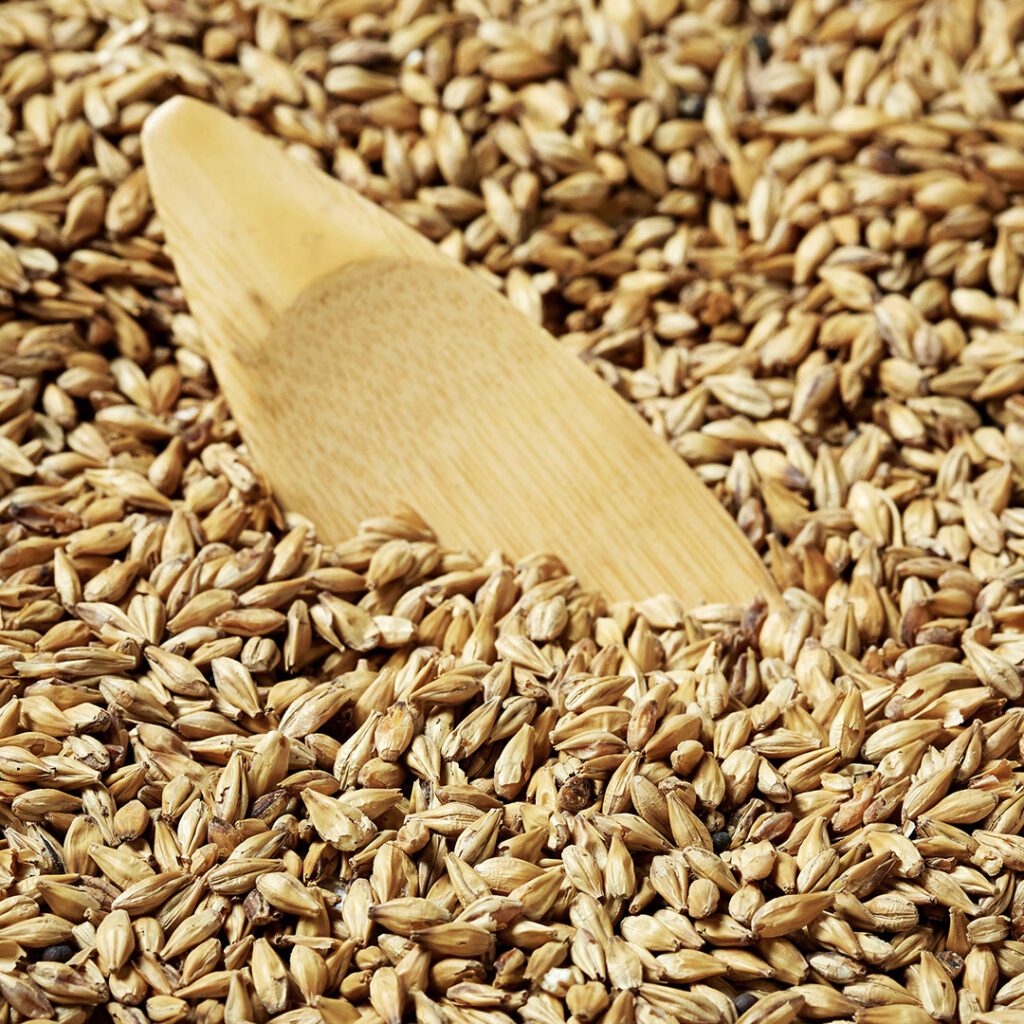
Gold Swaen©
Light
10–20 EBC / 4–8 °L
A great starting point for subtle enhancement. It adds gentle sweetness, improves body, and supports foam without pushing the flavour too far.
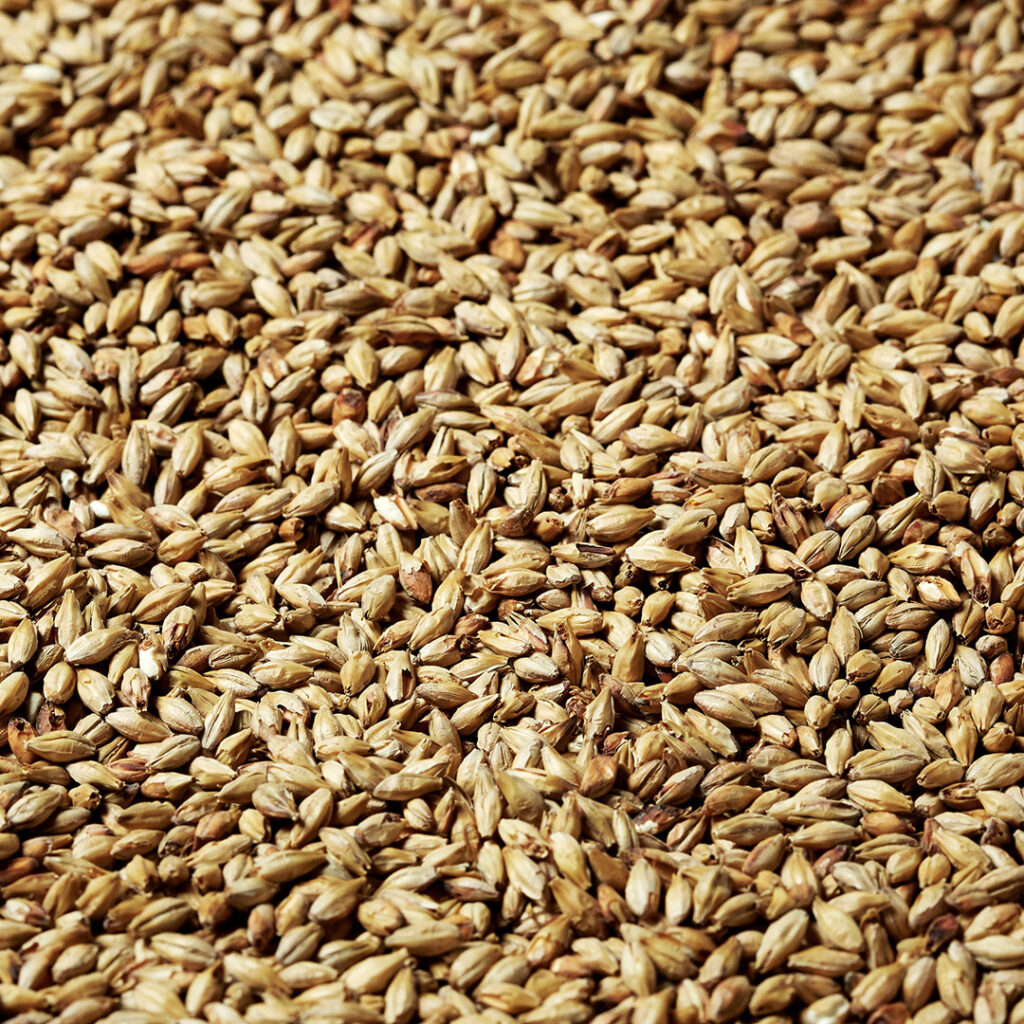
Gold Swaen©
Hell
20–30 EBC / 8–12 °L
This caramelised malt delivers a delicate caramel-sweet aroma and a warm golden hue, with a subtle flavour that supports overall balance.
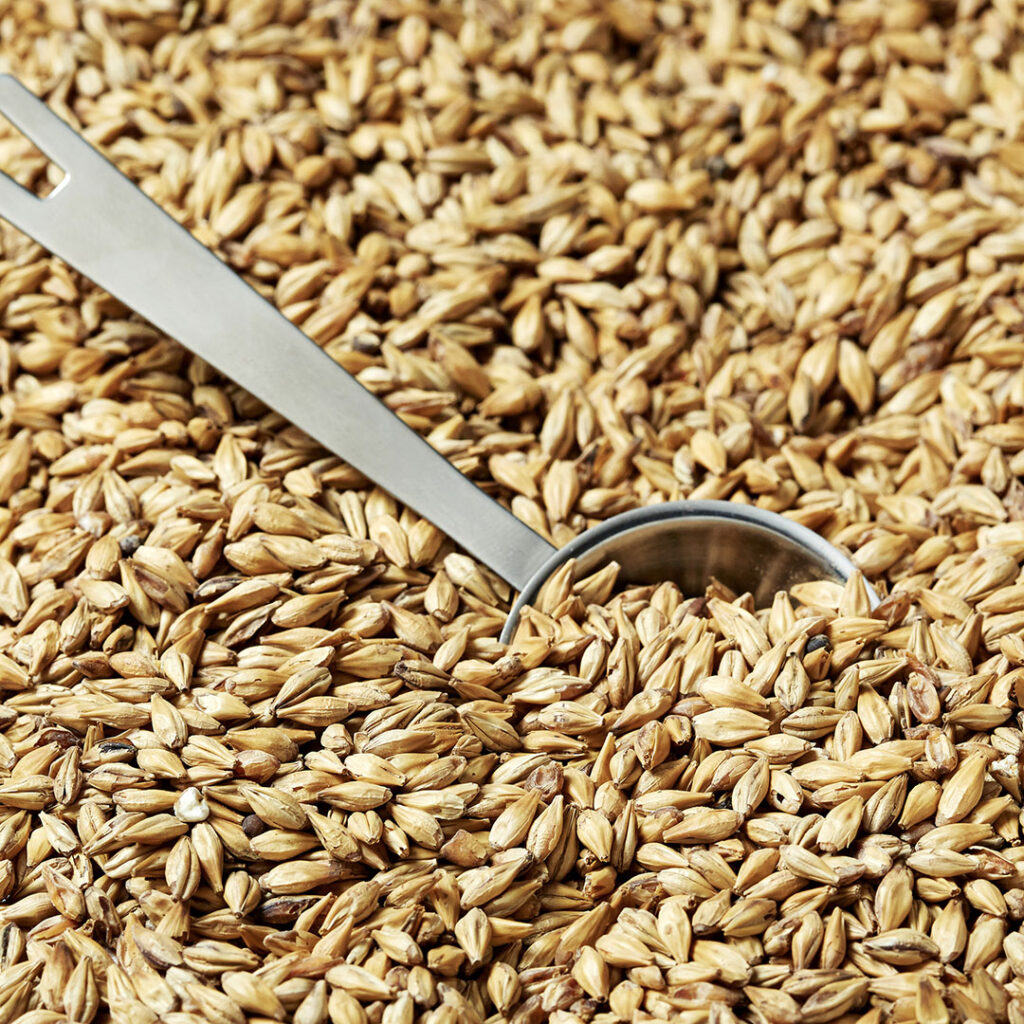
Gold Swaen©
Belge
30–40 EBC / 12–16 °L
Honey-gold with restrained caramel notes. This is a go-to for traditional Belgian styles. It strengthens head retention, aroma, and body.
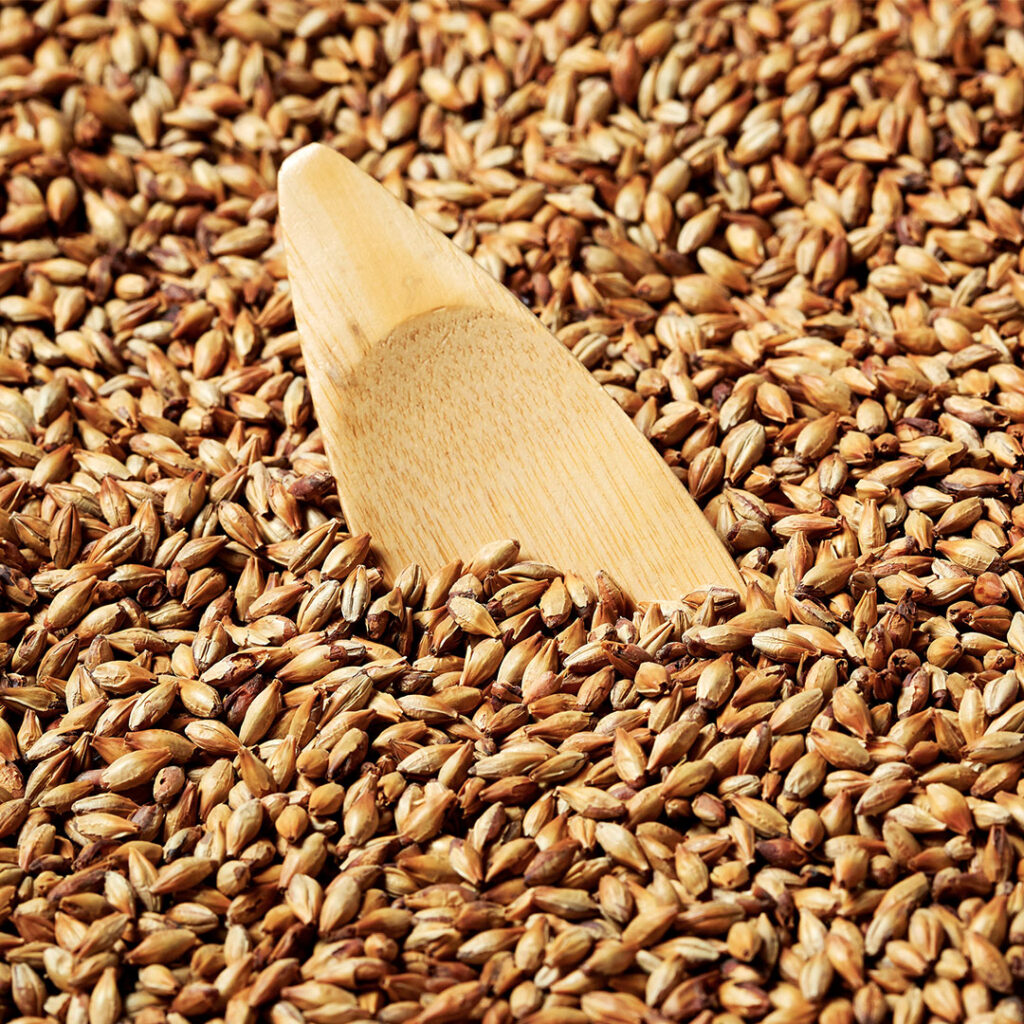
Gold Swaen©
Red
40–60 EBC / 15–23 °L
This malt enriches your beer with a deep, warm red colour, making it a natural choice for Red Ales and other styles where colour plays a key role.
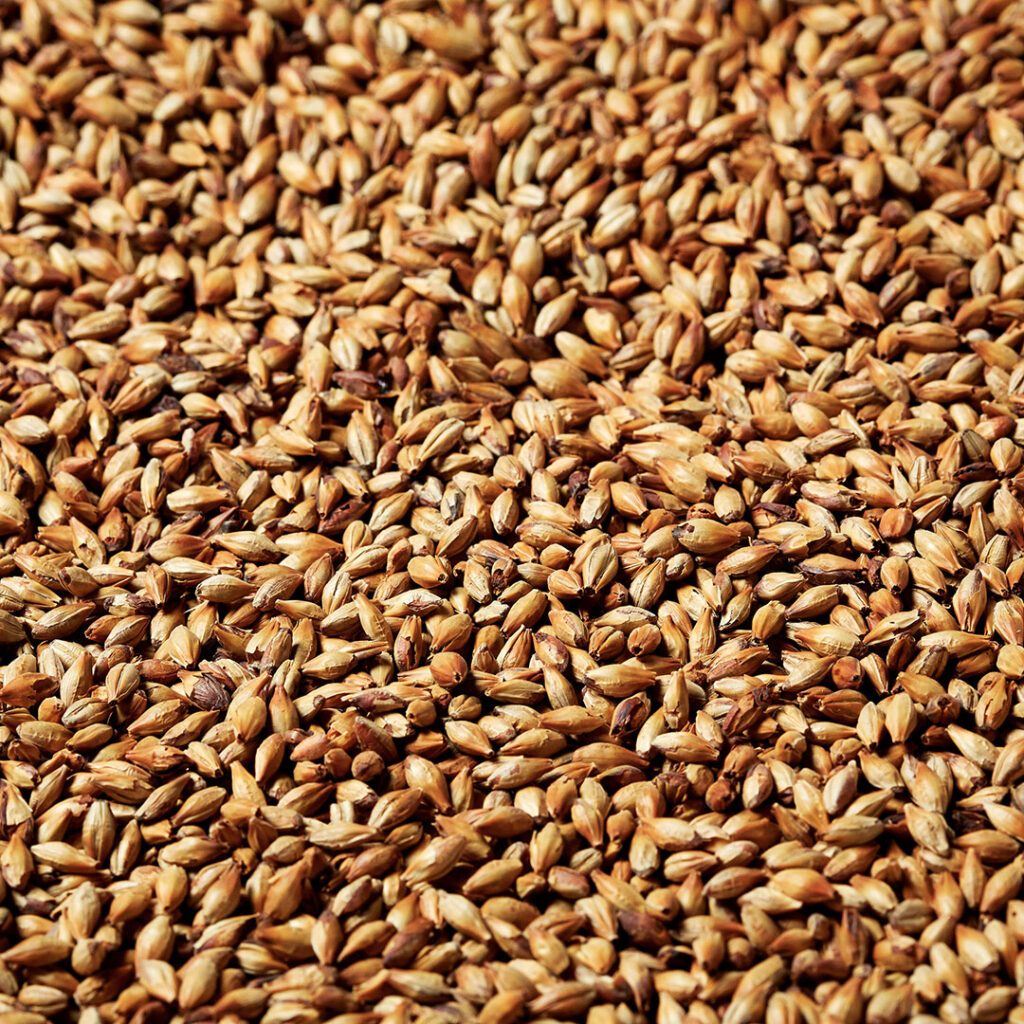
Gold Swaen©
Amber
60–80 EBC / 23–30 °L
In the middle of the range offers a richer colour and deeper flavour profile than Light, with distinct notes of toffee, rich caramel, and subtle cookie undertones.
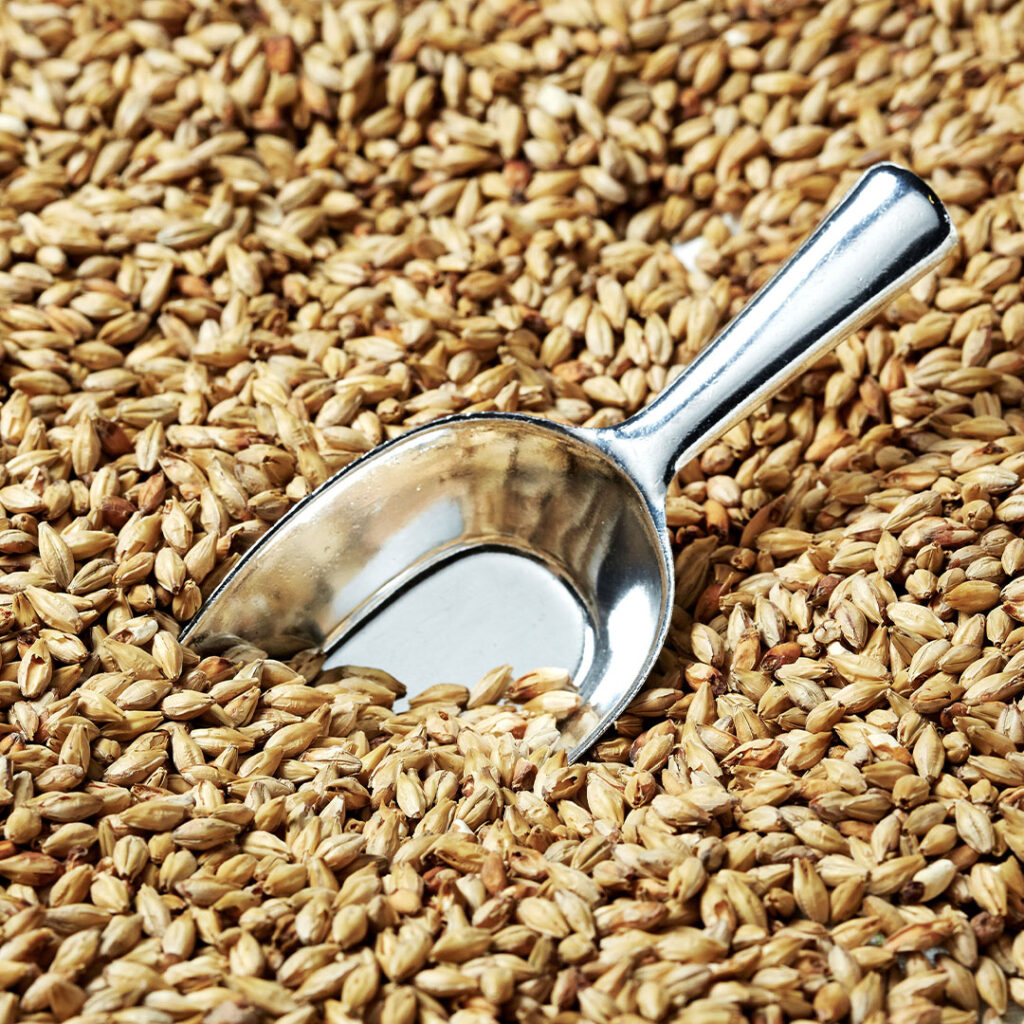
Gold Swaen©
Munich Light
80–110 EBC / 30–40 °L
This caramel malt enhances caramel and malt aromas with a warm, reddish shine, while supporting head formation and retention.
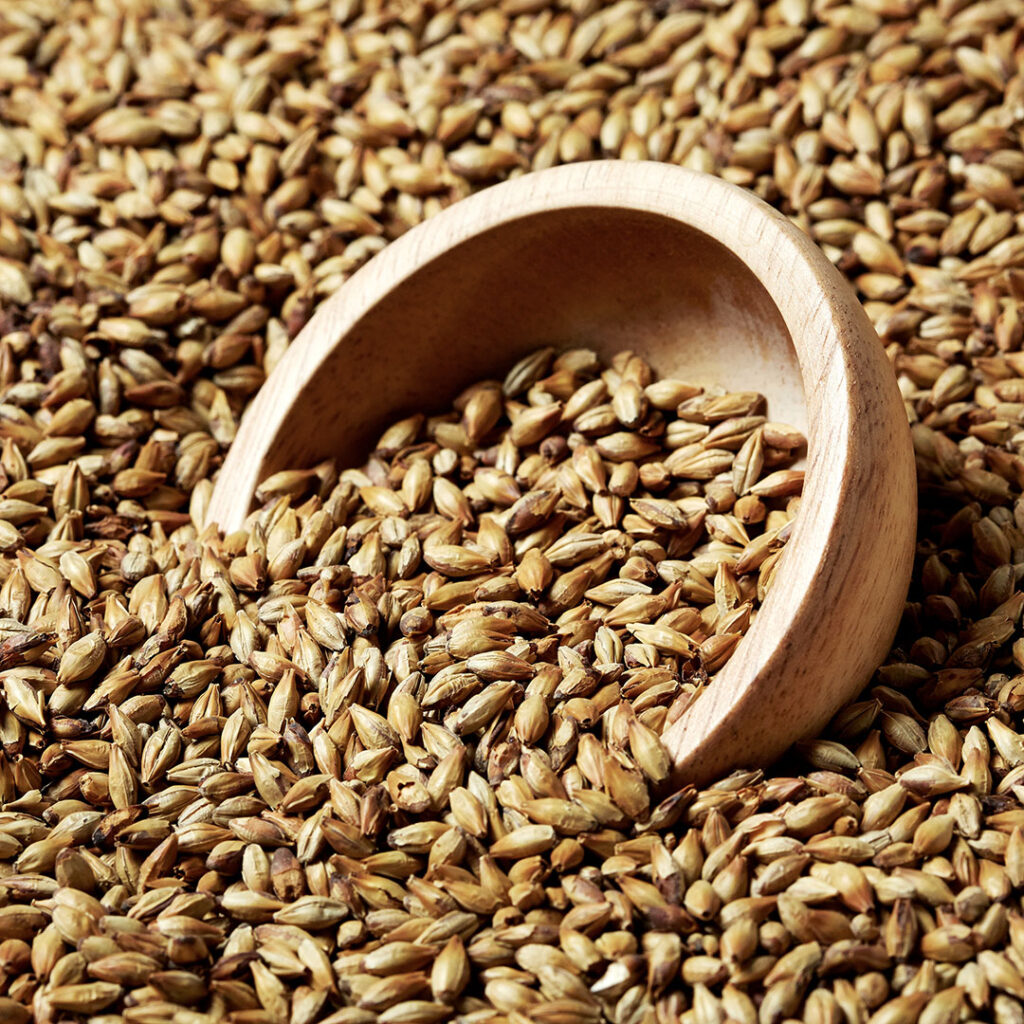
Gold Swaen©
Classic
110–130 EBC / 40–50 °L
Delivers an intense caramel and toffee aroma with a full, rounded character – a robust backbone for Bockbier and dark festival beers.
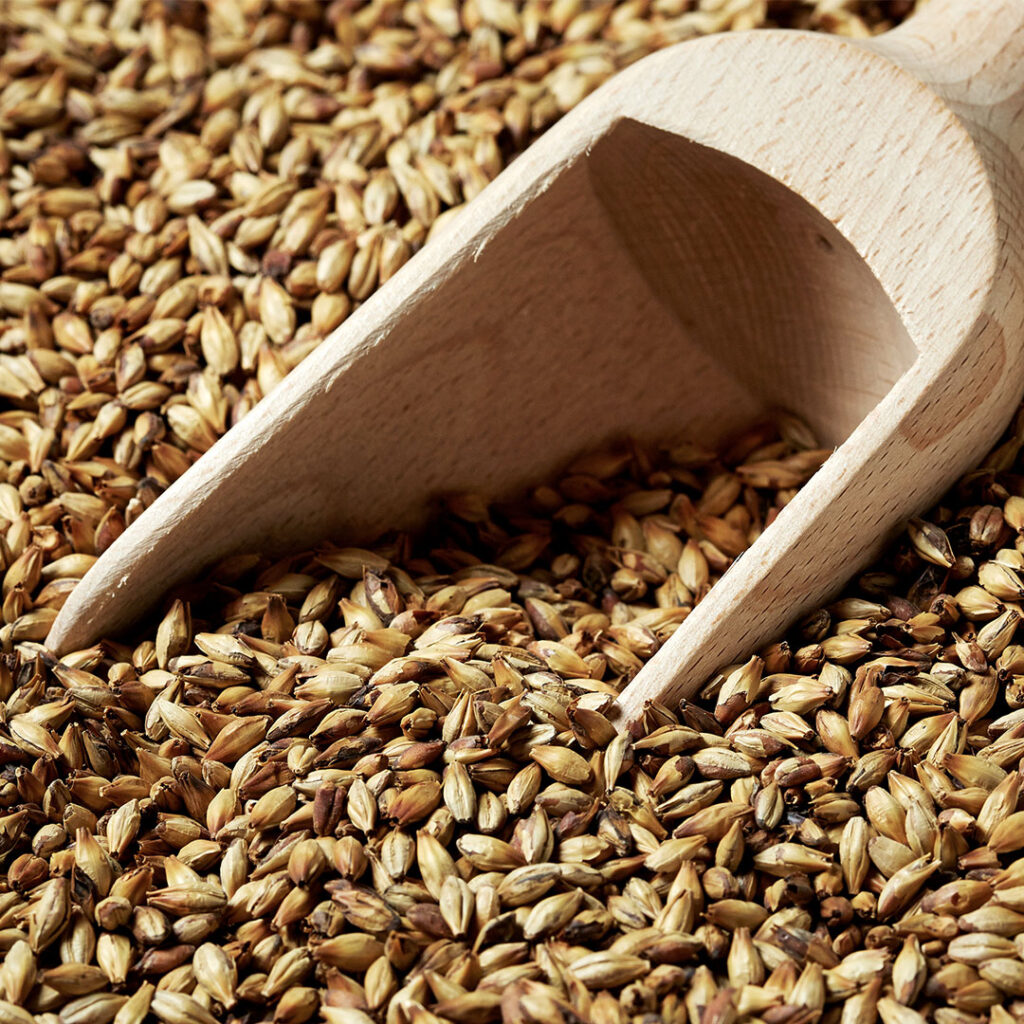
Gold Swaen©
Munich Dark
130–160 EBC / 50–60 °L
Goes a step further, with a distinctly malty character, deeper colour, and notes of biscuit, working well in Bockbier and Oktoberfest beer.
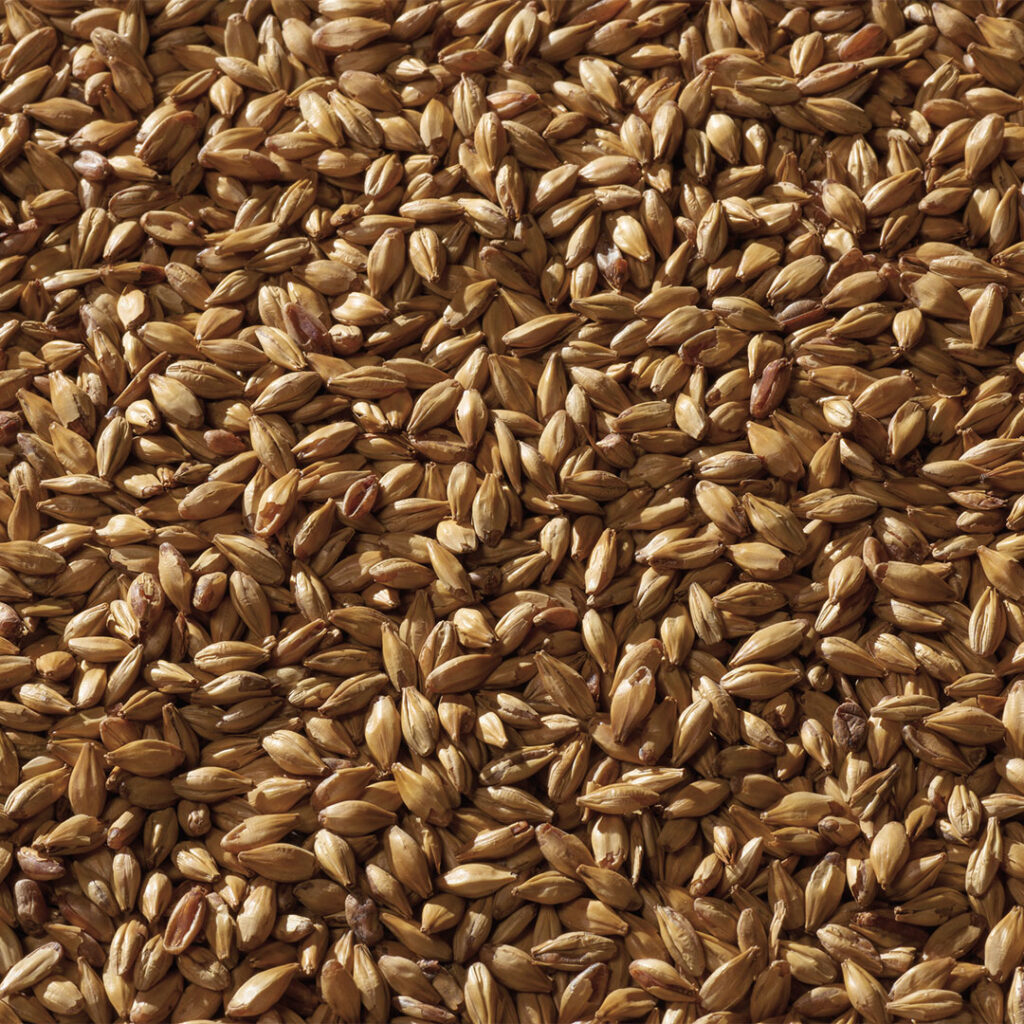
Gold Swaen©
Brown Light
170–190 EBC / 64–72 °L
Moving to bronze territory, this offers a warm bronze shine with intense caramel and biscuit aroma. It also supports head formation and retention.
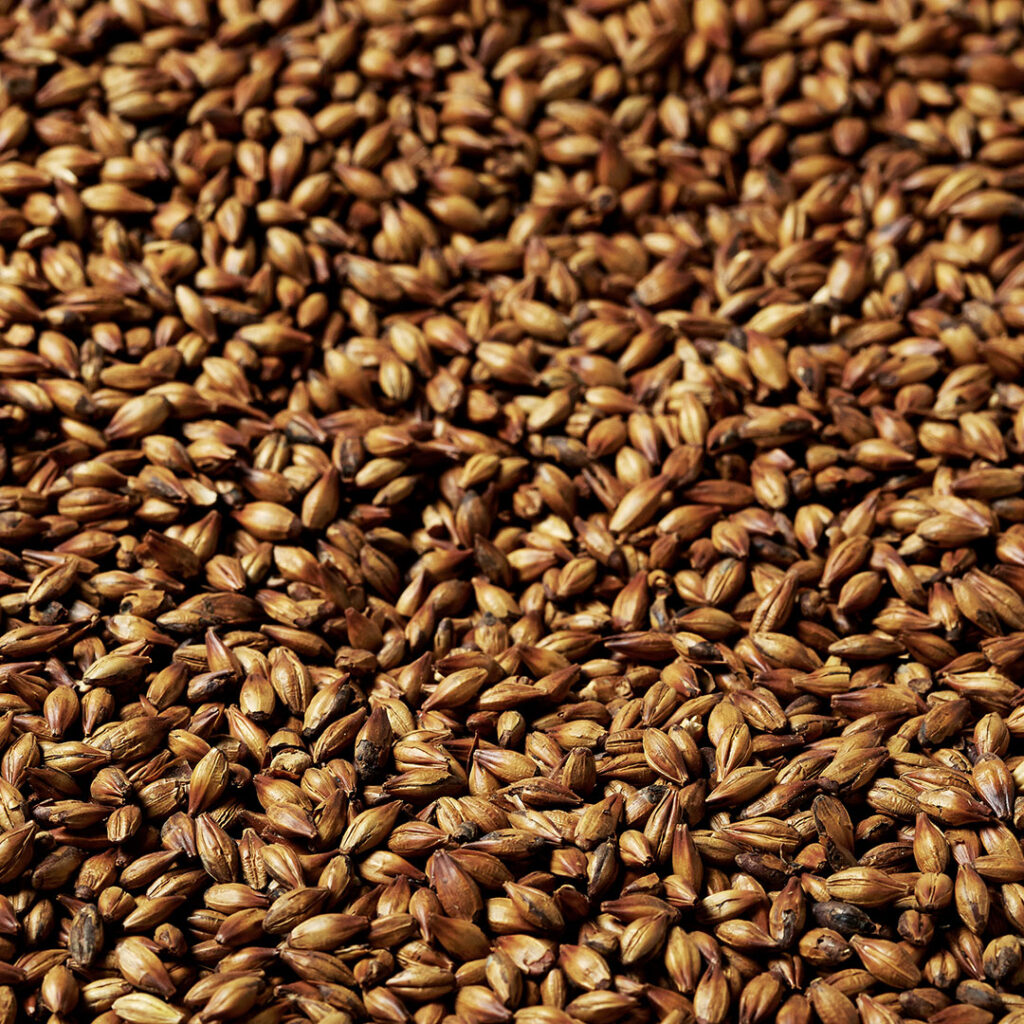
Gold Swaen©
Brown
200–240 EBC / 75–90 °L
Has an even deeper bronze colour and a more pronounced biscuit character, while strengthening the overall structure.
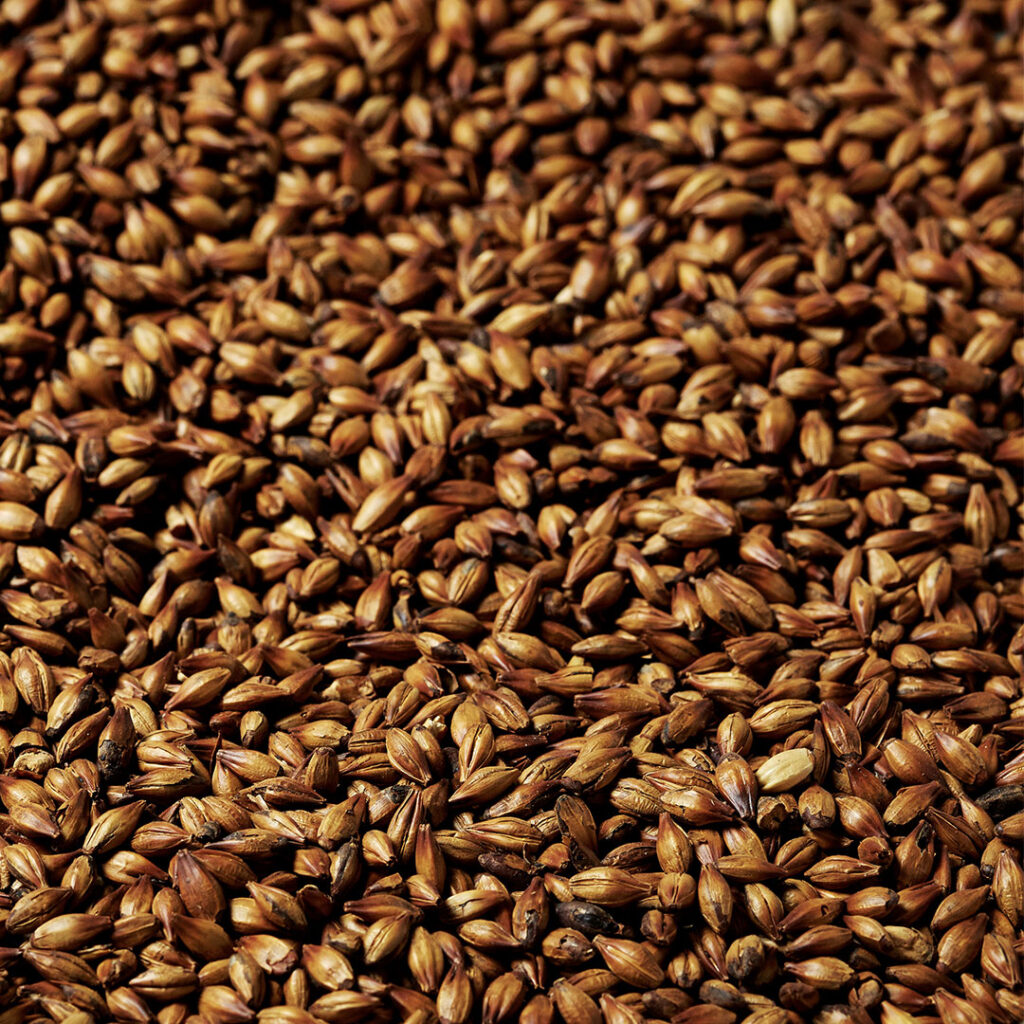
Gold Swaen©
Brown Supreme
280–320 EBC / 105–120 °L
This is the deepest bronze malt in the range. It’s fully crystallised, adding extra warmth and complexity. It gives your beer a richer, more appealing colour.
Gold Swaen©
Aroma
350–450 EBC / 130–170 °L
For more depth and colour, this malt delivers strong caramel notes with hints of nuts, enhancing body and mouthfeel – ideal for more complex beer styles.
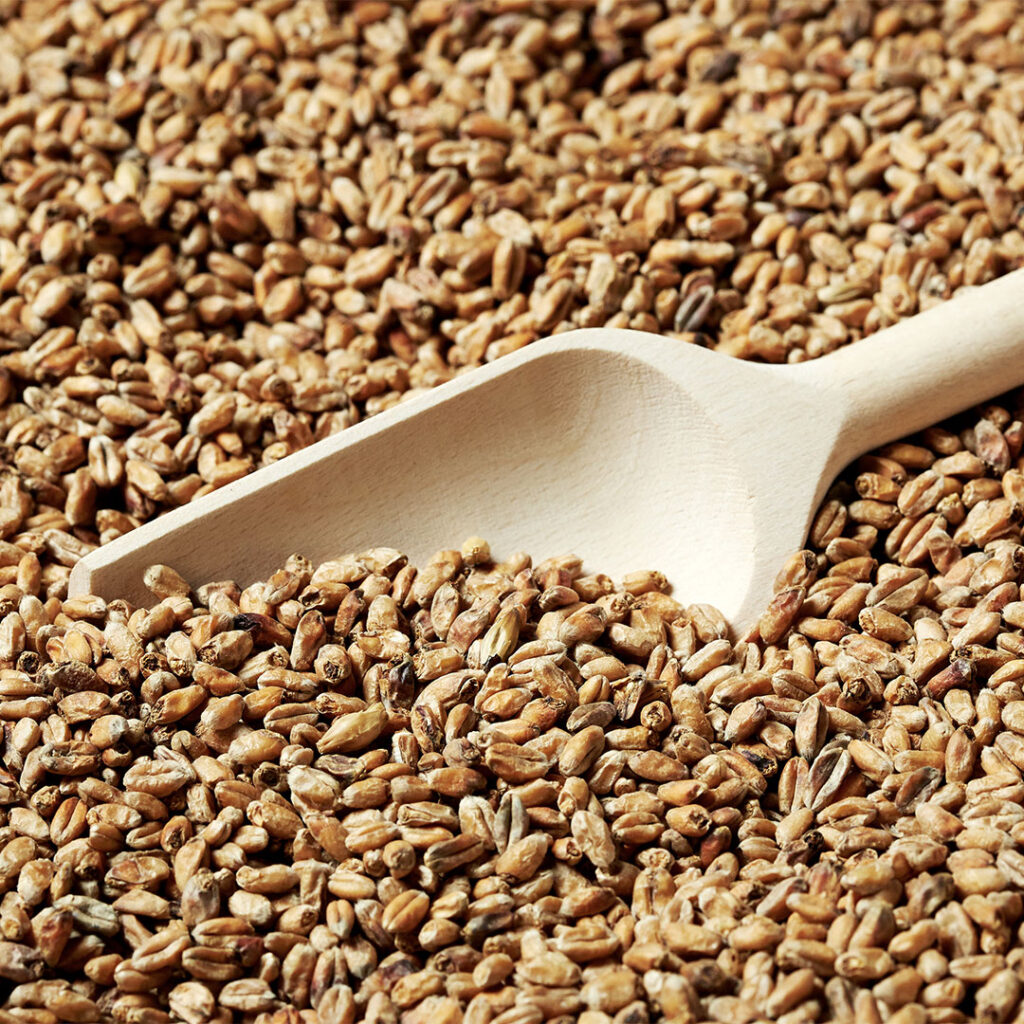
Gold Swaen©
Wheat Light
60–120 EBC / 23–46 °L
This huskless caramel malt brings mild, inviting notes of almond, biscuits, and fresh bread, making it an excellent choice for wheat beers.
Gold Swaen©
Wheat Dark
150–200 EBC / 57–75 °L
Its darker counterpart, offers more depth of colour and caramel character. Being huskless, it adds richness without harsh bitterness
How to choose the right caramel malt effectively
Everything depends on the role you want the malt to play in your recipe. In lighter beers, it’s often used to support body and foam without adding too much colour or sweetness. In darker or malt-forward styles, it can take on a more central role, contributing significant flavour and richness. It’s important to consider how caramel malts interact with other ingredients. In hop-forward beers, too much caramel character can mute hop expression. Malt-driven styles, in contrast, benefit from the added depth and sweetness.
Dosage is just as important as selection. Small additions can enhance complexity, while larger amounts can quickly dominate the profile. Starting with a restrained percentage and adjusting based on your target style is often the best approach.
Final thoughts
Choosing the right caramel malt is about control. It allows you to shape sweetness, colour, and mouthfeel with precision. By understanding how different caramel malts behave – and how temperature and drum roasting shape that behaviour – you can create beers that are balanced, expressive, and consistent. Whether you’re brewing a light Ale or a rich, complex Stout, the right caramel malt makes all the difference.
Ready to explore our Gold Swaen© range? Request a sample and find the caramel malt that fits your recipe.