
Beer may appear simple, but many long-held assumptions about malt and brewing do not hold up under closer scrutiny. Drawing on more than a century of malting experience, we take a deeper look at 10 myths about malt and beer, and explain why reality is more nuanced than it seems.
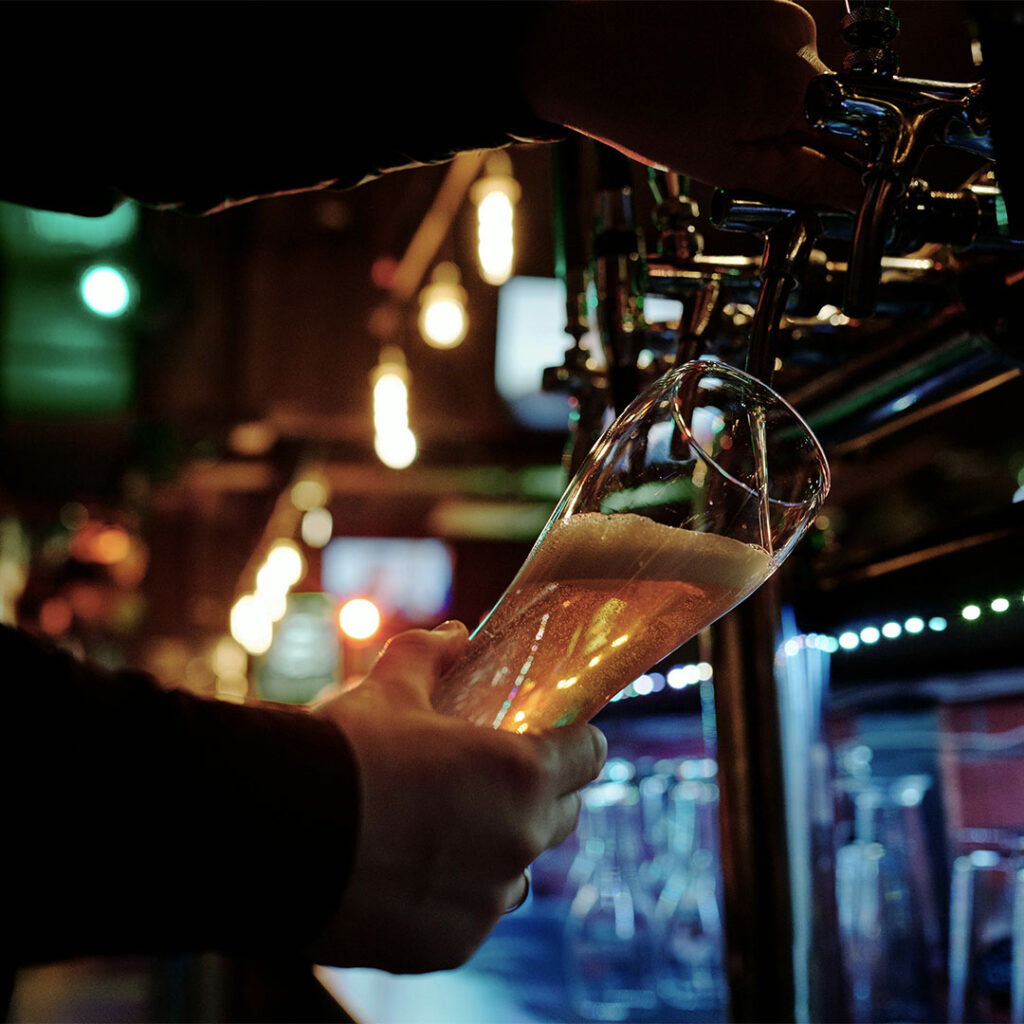
Pilsner is the simplest beer to brew
This is a persistent myth, simply because Pilsner is found in abundance. Actually, the opposite is true. Pilsner is often seen as an easy beer style because of its pale colour, clean profile and limited ingredient list. In practice, it is one of the most demanding beers to brew.
The absence of strong flavours means that every detail matters, from water composition and base malt selection to fermentation control and maturation time. Even minor imperfections immediately become noticeable, which is why Pilsner is widely regarded as a true test of technical brewing skill.
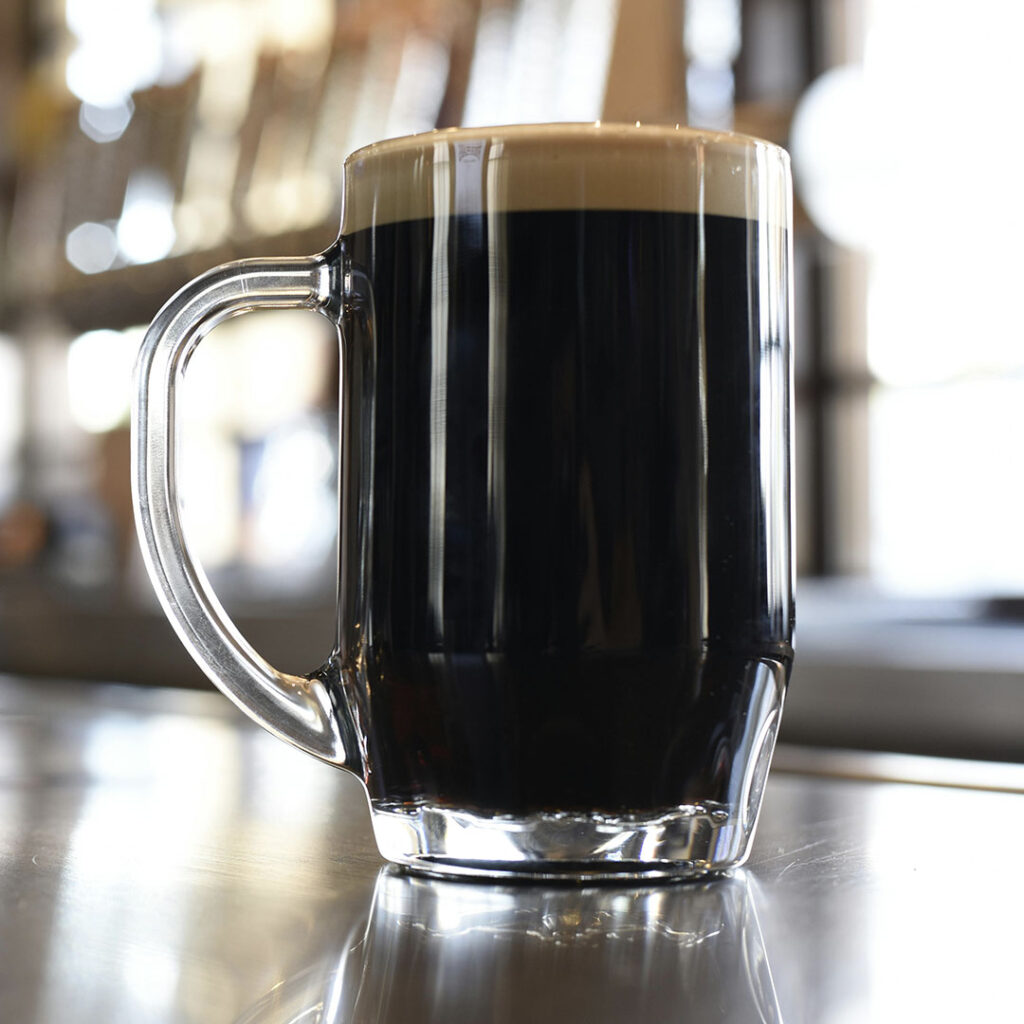
Darker beer is always stronger
Many beer drinkers associate darker colour with higher alcohol, but the two are not directly connected. Beer colour reflects malt choice and processing, not strength. Numerous dark styles, such as Dark Mild, Schwarzbier or Irish Stouts, sit comfortably at lower alcohol levels.
Alcohol content is determined by recipe design and fermentation, not by how light or dark the beer appears in the glass. Actually, you can’t even brew a beer with only roasted malts.
All caramel malt is the same
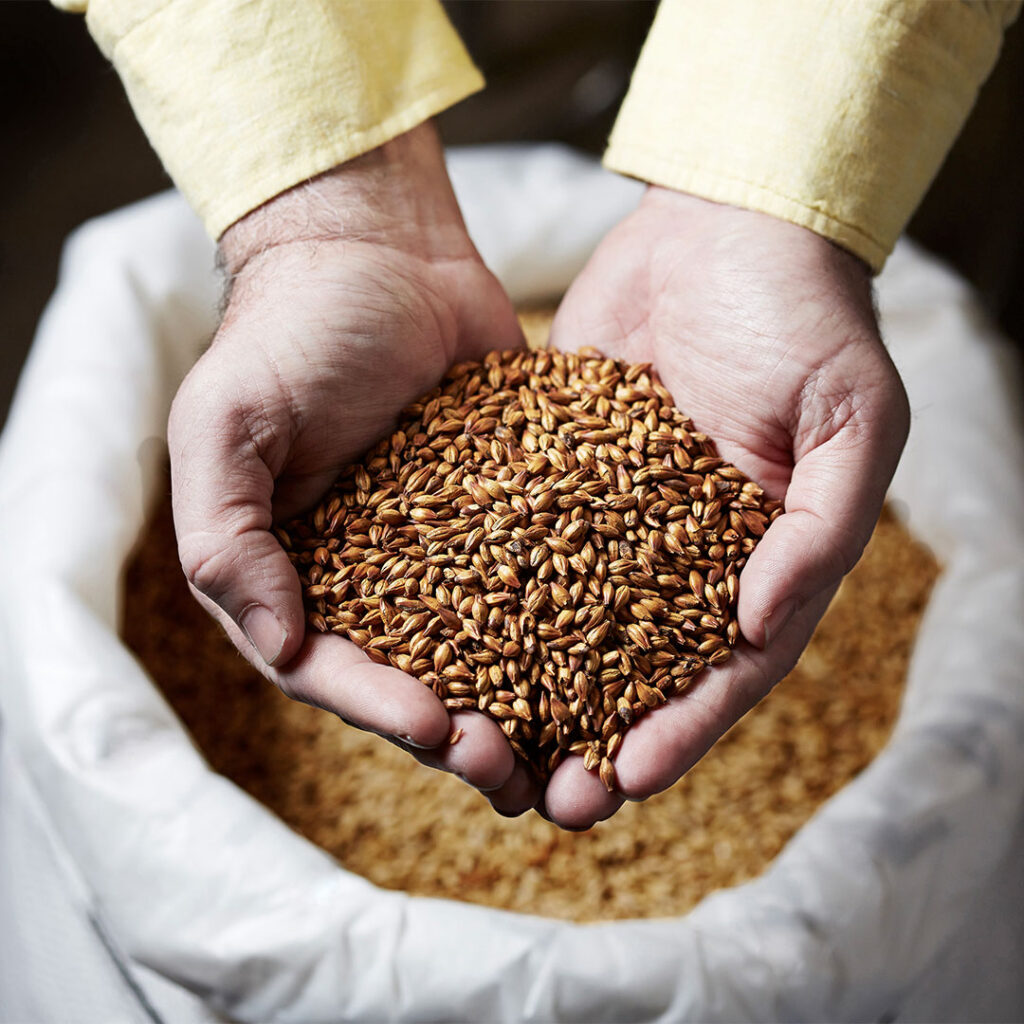
Caramel malts are often treated as interchangeable, yet they differ significantly in flavour, sweetness, fermentability and mouthfeel. These differences are rooted in how the malt is produced. For example, a kiln will colour the kernels, but can never reach the temperatures required for true caramelisation.
Genuine caramel flavours develop only when sugars caramelise inside the grain under specific conditions. Depending on temperature and time, each type will have its own strengths. As a result, each caramel malt delivers different sensory and technical performances.
Malt is only used for fermentable sugars
It is true that kilned malt provides fermentable sugars, but this is only part of its role. Malt also shapes body, mouthfeel, foam stability, colour and aroma, while influencing how a beer feels and performs throughout fermentation. Beyond sugar supply, malt establishes structure and balance, making it the foundation on which the rest of the beer is built.
The above is only true for kilned malts, though. Caramelised and roasted malts have little to no fermentable sugars, so these are mainly used for flavour and colour.
Fresh beer is always better
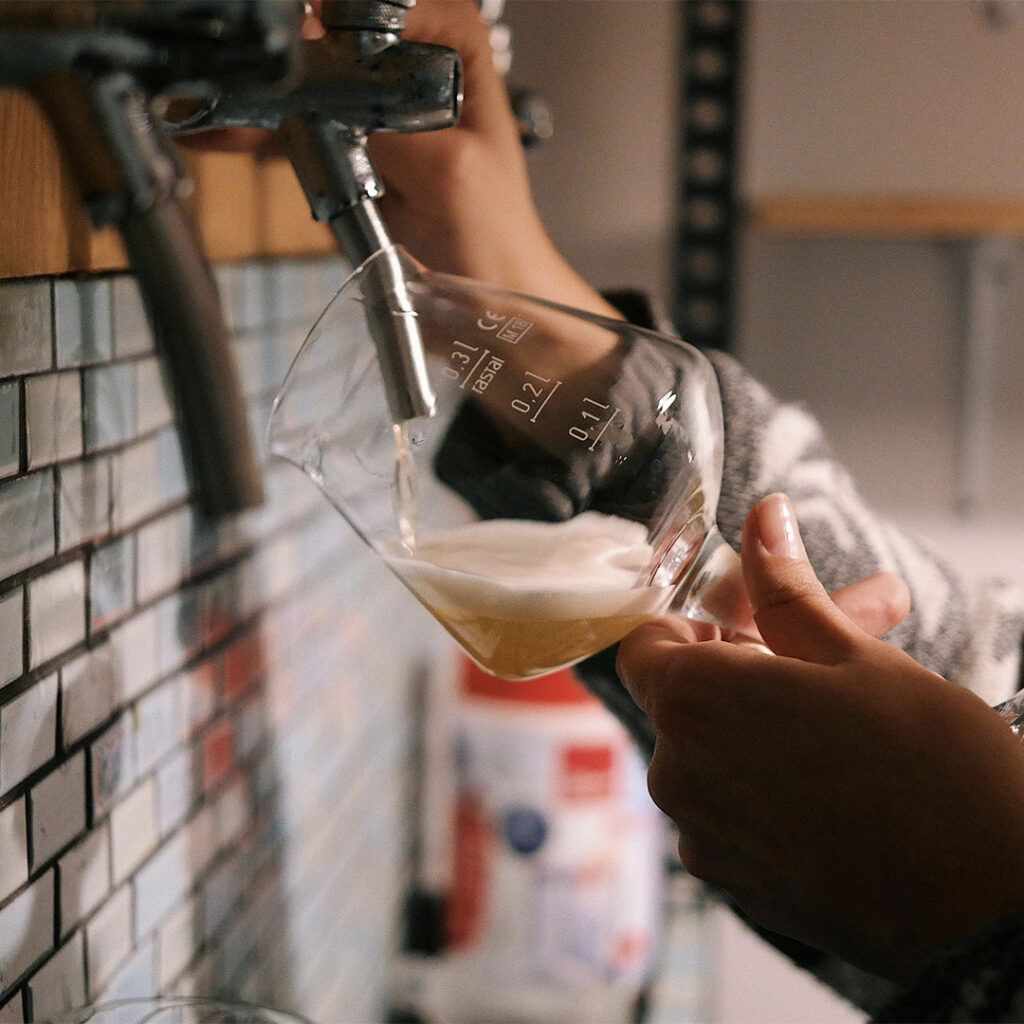
Freshness is often presented as a universal quality marker, yet its importance depends strongly on beer style. Hop-forward beers such as IPAs benefit from being consumed fresh, as hop aroma fades quickly over time. The same can be said for Pilsners and Lagers.
Other styles, including Stouts, Strong Ales and Barleywines, can develop additional complexity as they mature. A great example is Orval, a trappist beer that goes through an enourmous flavour evolution. Bars often have it available as older or younger than 6 months. Whether fresh is better ultimately depends on the beer and on personal preference.
Beer should always be drunk cold
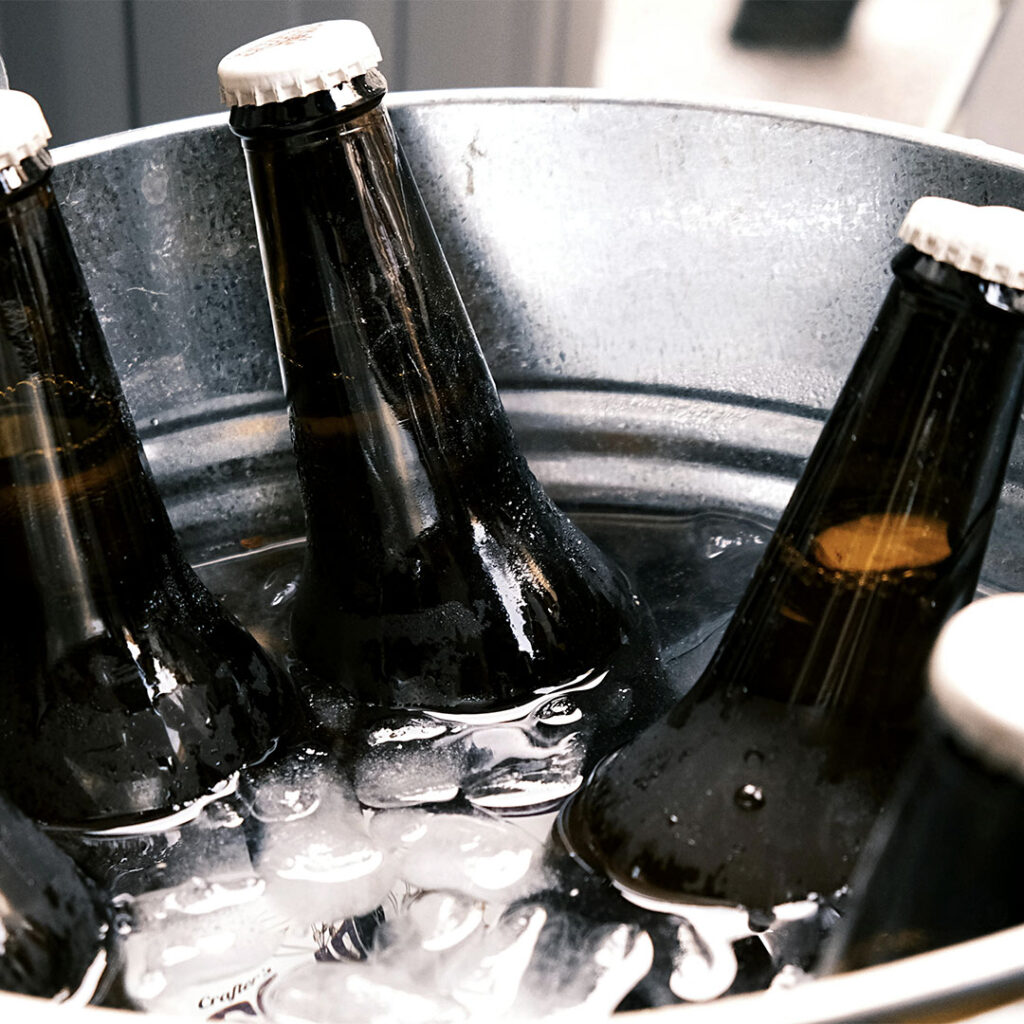
Cold temperatures enhance refreshment, but they also suppress flavour. While this works well for lighter beers like Pilsner, Lager and Pale Ale, stronger styles often reveal more depth at higher serving temperatures.
A useful rule of thumb is that serving temperature in degrees Celsius roughly corresponds to alcohol percentage. Adjusting temperature allows aroma, mouthfeel and balance to fully express themselves.
Hops provide a beer’s taste
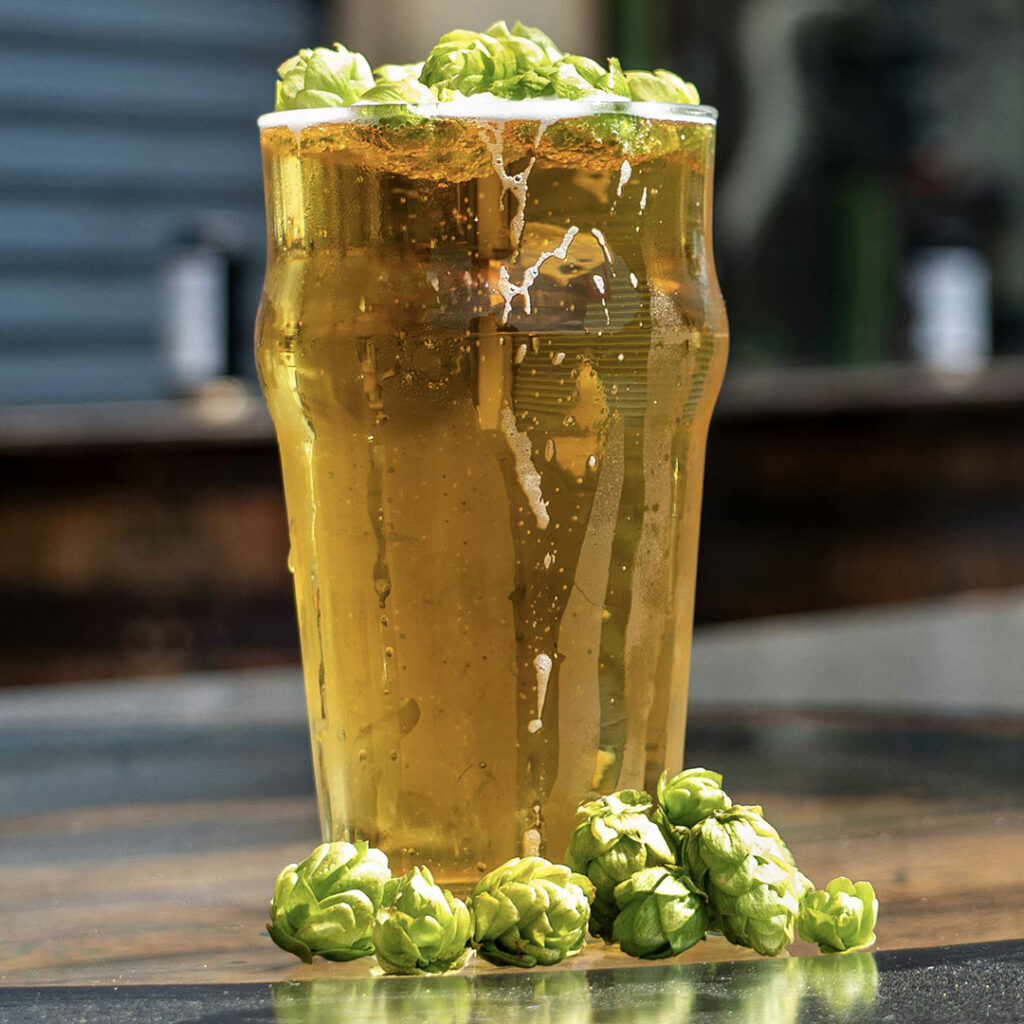
Hops contribute bitterness and aroma, and in modern brewing they often take centre stage. However, hops alone do not define flavour. Without malt, bitterness lacks structure and balance.
Malt provides sweetness, depth and body, allowing hop character to integrate rather than dominate. True flavour emerges from the interaction between both ingredients.
Malt colour guarantees flavour outcome
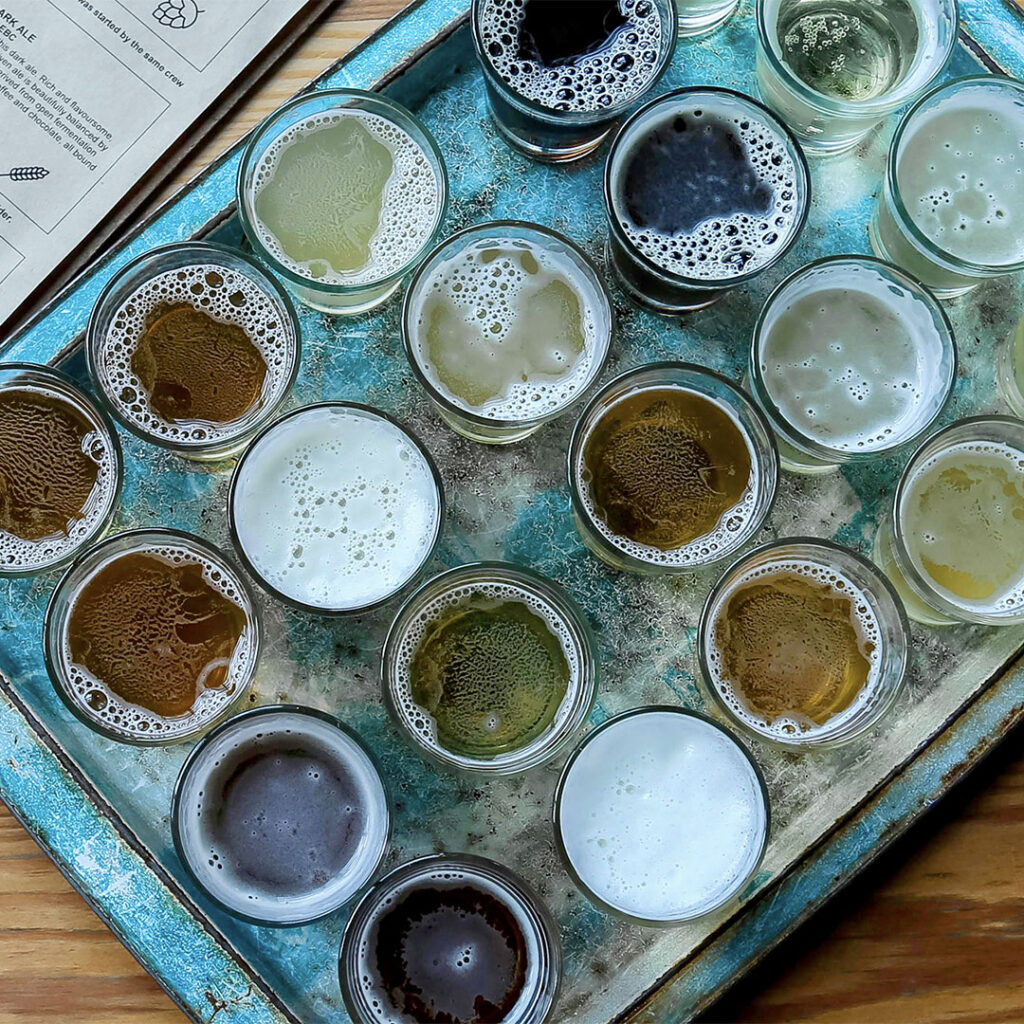
Colour specifications such as EBC offer guidance, but they do not guarantee flavour. Two malts with identical colour values can behave very differently in terms of aroma, mouthfeel and intensity.
The way malt is processed, plays a decisive role. For example, Swaen© Melany, Gold Swaen© Amber and Black Swaen© Biscuit roughly have the same EBC value. They have been through totally different processes though. One is kilned, the second is caramelised and the last is roasted.
Specialty malts are for colour correction
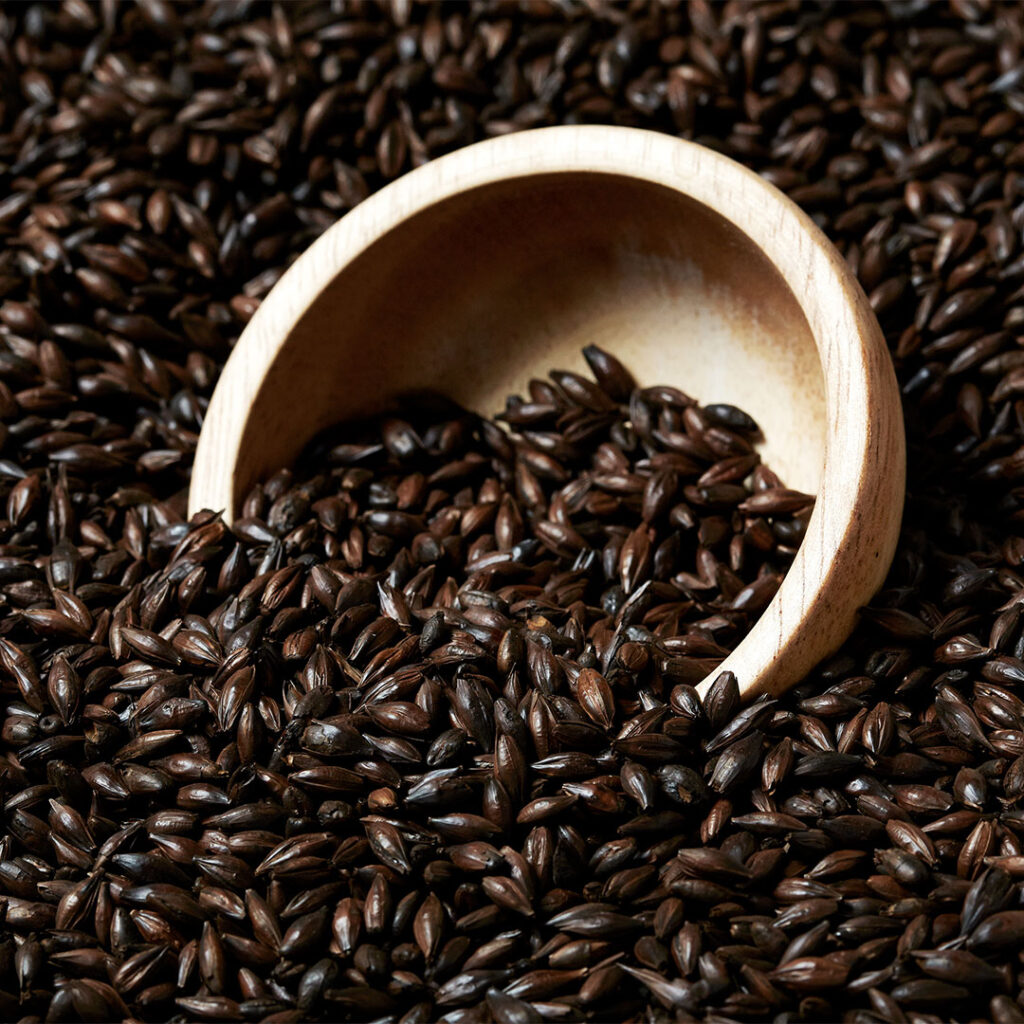
Specialty malts like caramelised or roasted malts are sometimes viewed as tools to fine-tune colour, but their real value lies elsewhere. They define a beer’s identity by adding biscuit notes, roast depth, sweetness or dryness.
Colour is a consequence of their use, not the primary reason for choosing them. Real specialty malts shape character rather than merely adjusting appearance.
Malt-driven beers are outdated
As beer trends evolve, malt-driven beers are sometimes dismissed as old-fashioned or irrelevant. This assumption is one of the 10 myths about malt and beer that refuses to disappear, despite decades of evidence to the contrary.
Malt-forward beers focus on balance, structure and drinkability, offering depth without excess. They are not a rejection of innovation, but a reminder that harmony and restraint remain timeless qualities in brewing.

These 10 myths about malt and beer exist because brewing appears deceptively simple. Four ingredients suggest clear rules, while reality rewards understanding and nuance. Malt is not a background player, hops do not work in isolation, and balance remains more important than trends. After 120 years of malting experience, one principle stands firm: great beer is built on knowledge, craftsmanship and respect for the raw materials. When those come together, myths disappear and character takes their place.
Think you know your malt?
From caramel malts to Pilsner complexity, The Swaen’s experts debunk 10 common myths about malt and beer – backed by 120 years of malting experience. Explore our malt knowledge base or contact our team to put the facts to work in your next brew.