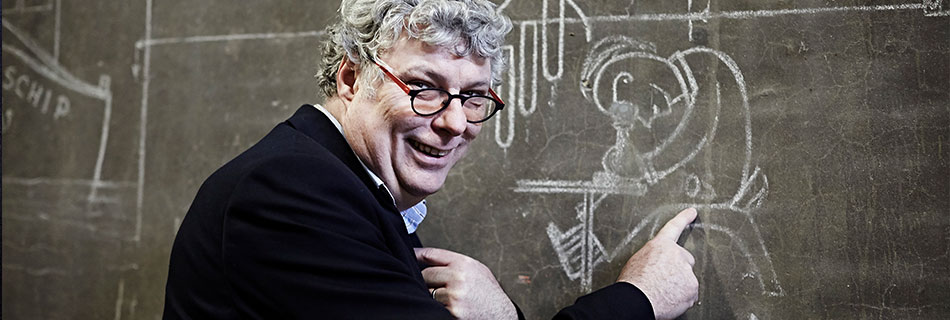
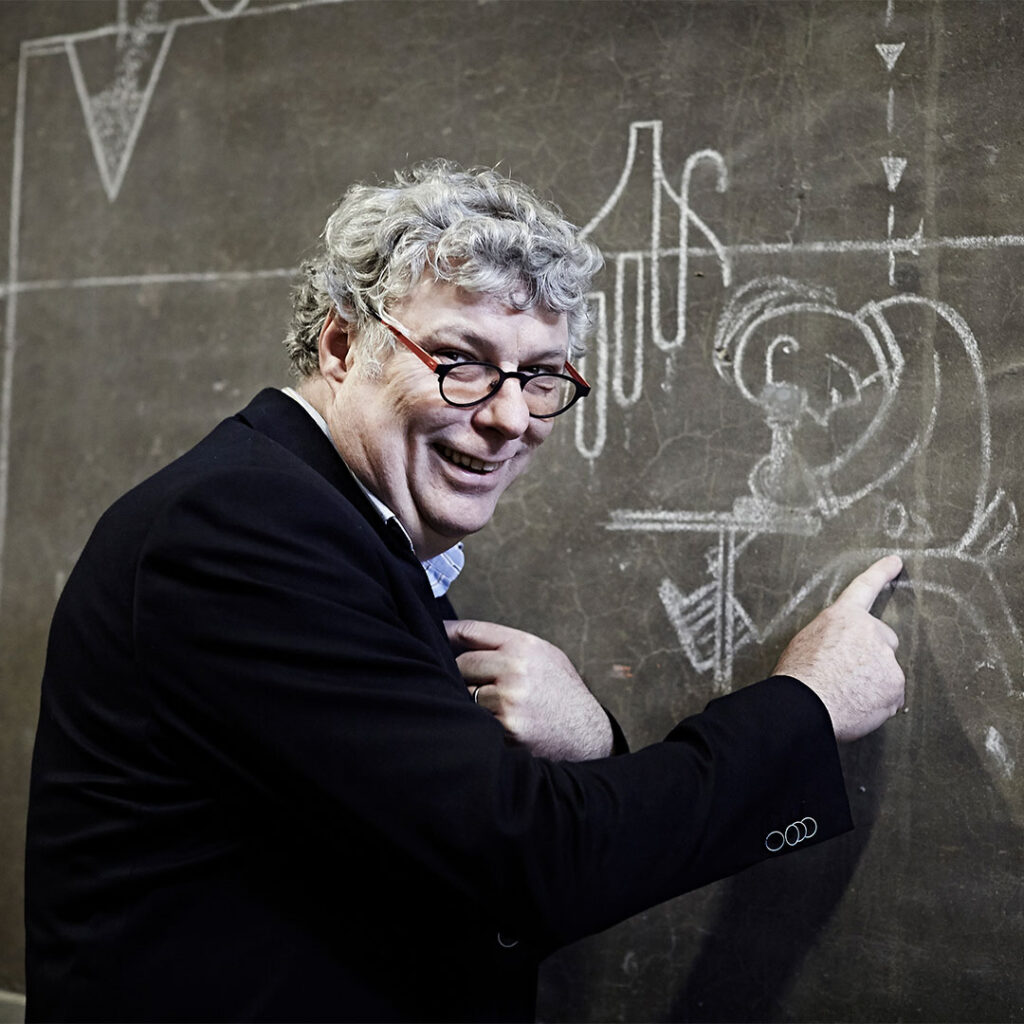
Some people have a special bond with The Swaen. That’s why we asked around to see what they had to tell. In a series of interviews you will get to know the company through the eyes of our staff, former employees, customers old and new, distributors and even some legends of the business. This time, we talk to Jos Hack, our esteemed malt master. This is Celebrating The Swaen with Jos Haeck.
When did you first hear about us?
I started working at what was then Mouterij Menu on Monday, November 26, 1979. Until then, I was working in the CSM laboratory during the sugar campaign. As a brewery engineering student, I had already visited the malthouse in 1977. The family atmosphere and its reputation as the largest malthouse in the Netherlands at the time really appealed to me.
Do you remember your first day?
I remember it perfectly. The water treatment plant had just been built, and there was a dispute between the contractor and the site manager about the removal of building materials. The manager asked me to inspect whether the work had been carried out correctly.
What would characterize The Swaen in one sentence?
A strategic survivor in a very difficult market, by adapting very quickly through the application of innovations and renewals. A good example is that we were the first malting facility with combined heat and power as an energy source. Another is that we successfully transformed from a classic (basic) malthouse to a specialist with more than fifty types of malt. And I could go on and on with more examples.
How would you describe the culture?
Independent, driven and family-oriented, despite belonging to a multinational company for a short period.
What moment stood out to you the most?
Grolsch’s rather astounding acquisition of the malthouse in 1999 and equally spectacular management buyout in 2013 that led to the creation of the current The Swaen. A story worthy of a thriller novel or movie.
What anecdote perfectly illustrates what The Swaen stands for?
Where there’s a will, there’s a way. In 1992, a coaster (Ladoga type) was loaded with 2,000 tons of malt. The ship was moored and could only be loaded three hours before and three hours after low tide, all within 24 hours. This involved three loading points and additional conveyor belts and trucks.
What is The Swaen’s greatest strength?
Good and skilled staff. Without them, you’re nowhere.
What is the most important evolution you have witnessed?
From the largest malthouse in the Netherlands in 1979 to the smallest from 1985 onwards. From commercial malthouse to malthouse/brewery and back to commercial specialty malthouse.
What distinguishes The Swaen from other malt houses?
Quality and expertise. Not just about the malthouse. The Swaen is also an advisor on malt-related brewing. Other malthouses – even some substantial ones – often know little to nothing about the brewing process.
What roles have you had?
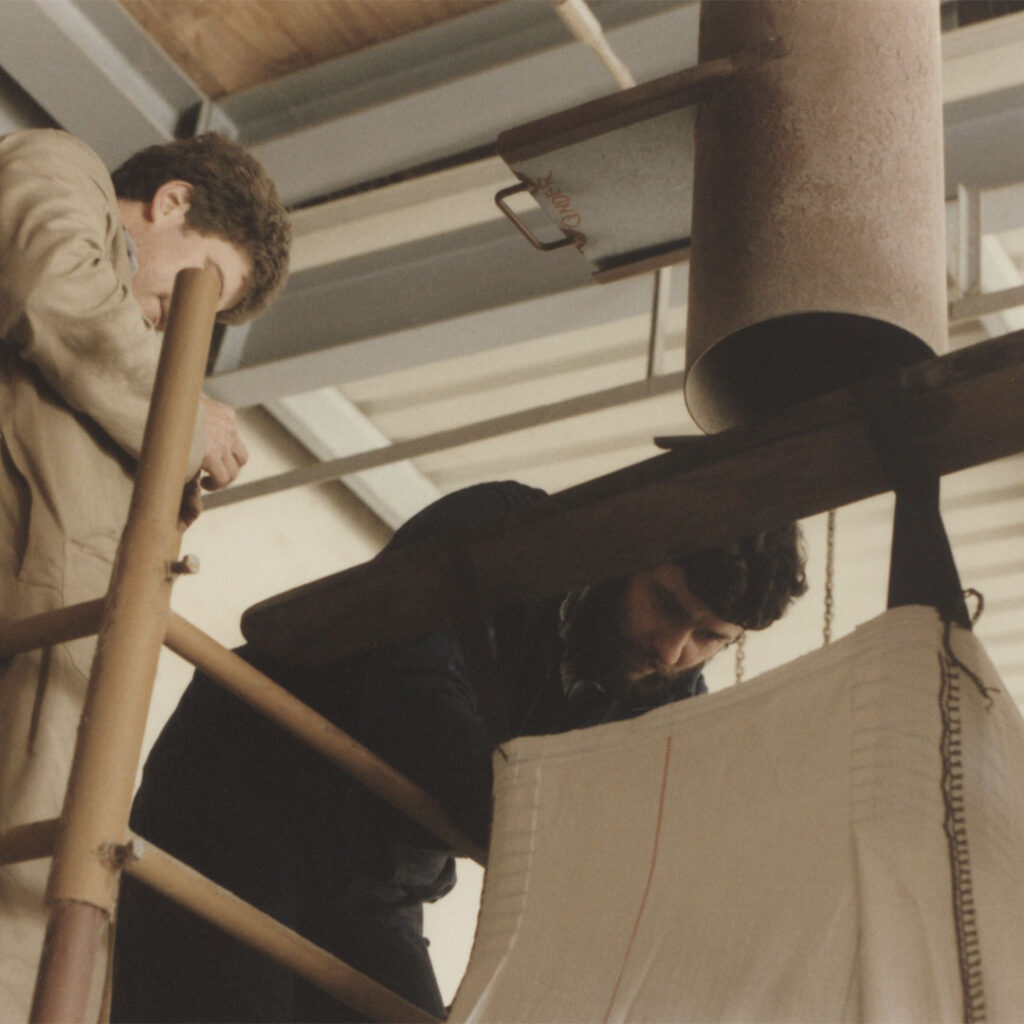
- 1979–1988
Plant Manager at Mouterij Menu. - 1988–1999
Production Director for the IBIS Group (60,000 tons). - 1999–2013
Manager of Mouterij Kloosterzande for Grolsch/SABMiller. - 2013–2017
CEO of The Swaen. - 2017–2021
Malt Master at The Swaen. - 2021–now
Retired, but providing on-call support (e.g., auditor, training).
What did an average workday look like?
I never had an average workday. I’ve been fortunate enough to master everything: malt technologist, barley specialist, plant manager, director, NIBEM (board member), etc.
What made you proud to work here?
To earn the respect of large competitors as a small malthouse, and to be a solution-oriented listening ear for the brewing industry.
Which period was the most challenging, and why?
As previously indicated – the takeover by Grolsch and the management buyout of SABMiller.
What do you think is crucial to remain relevant as a malting company?
We don’t just sell malt (anyone can do that), but we also provide knowledge.
What advice would you like to give to new colleagues?
Do your best and the malthouse will do the rest.
Where do you see The Swaen in 10 years?
That’s very difficult to predict. Much will depend on market conditions. The production of beer is declining. Malting facilities are very resilient. The sector has emerged stronger from every difficult period. New markets have contributed significantly to this. My hope is that the malthouse will have installed a second Probat drum roaster within 10 years, and thus become the most efficient producer of specialty malt.