As we celebrate our 120-year anniversary, it’s the perfect time to look back at our history. The year 1906 was a different world for beer – and even more for malt. At that time, malting was a highly manual, seasonal process steeped in tradition, patience, and local ingredients. Today, it’s a fusion of science, automation, sustainability, and global collaboration. So, what’s changed in over a century of malting? The short answer: nearly everything, except the magic of turning barley into malt. Let’s take a look at the development of malting since 1906.
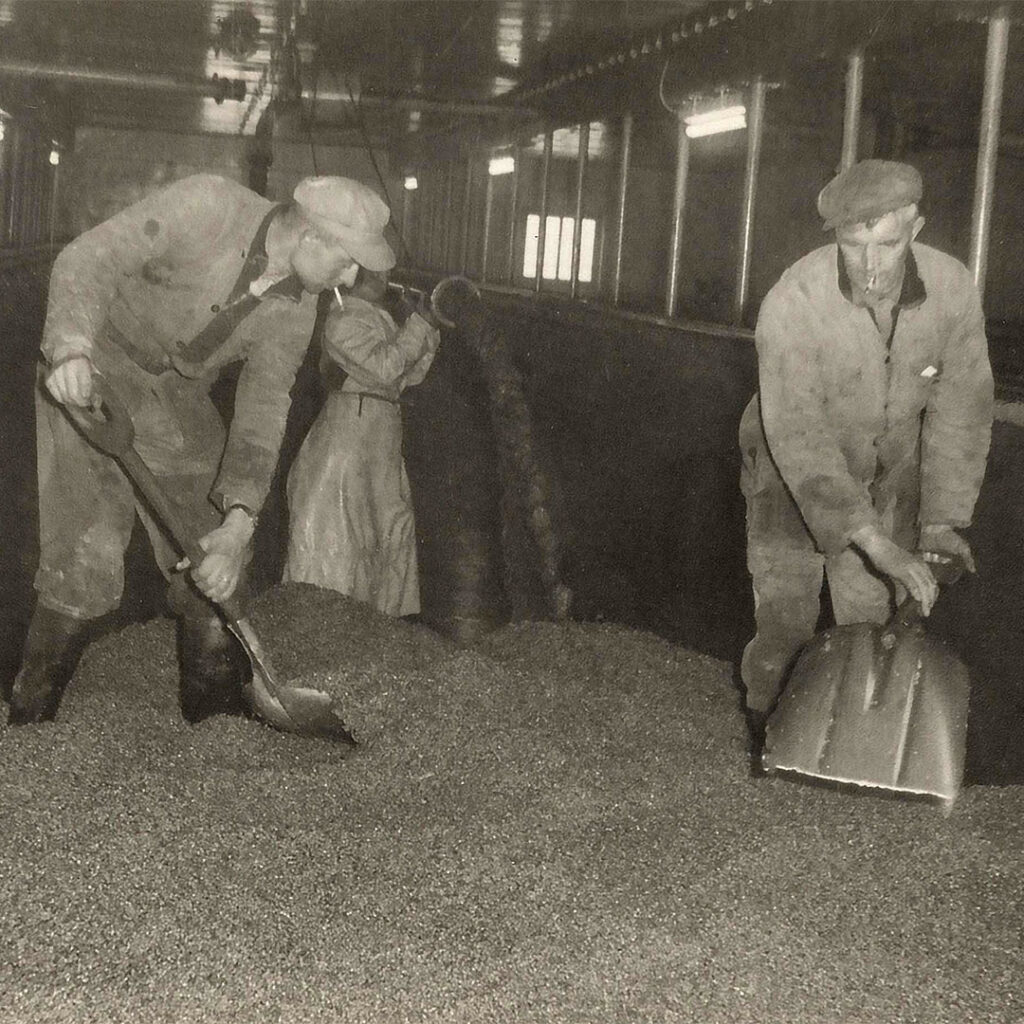
The malting floor: a necessity then, a rarity now
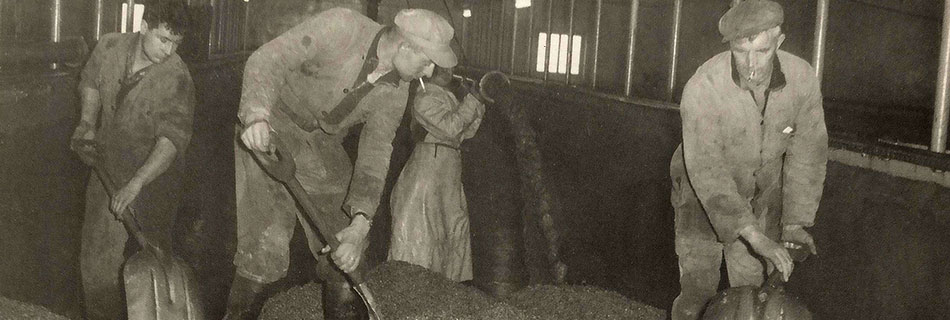
In 1906, most malt was made on malting floors – long, flat surfaces where soaked barley was spread out by hand and regularly turned with shovels or rakes to control temperature and moisture during germination. It was labour-intensive, inconsistent, and required highly skilled maltsters to read the grain like a living organism (which, of course, it is).
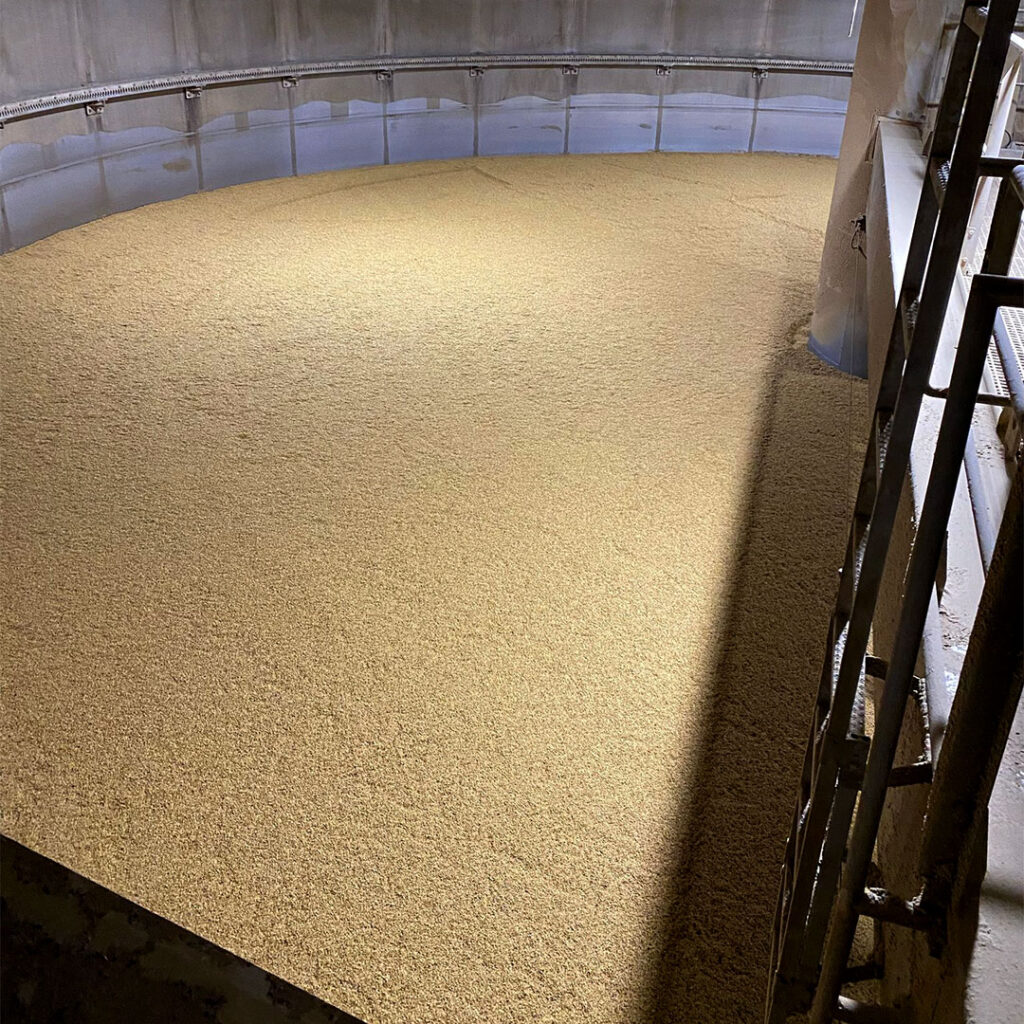
Today, modern germination boxes and automated turning systems have replaced the floor. The result? Consistency, hygiene, energy efficiency, and scalable production – without losing control over enzymatic development.
From seasonal to continuous production
Malting used to follow the seasons. Floor malting was best done in the cooler months, when grain wouldn’t overheat. As a result, breweries had to plan malt supplies around the calendar.
The invention and widespread use of climate-controlled steeping, germination, and kilning systems have made malting a year-round operation. Maltsters can now respond to demand flexibly and reliably, even with global supply chains and just-in-time brewing.
The rise of the roaster and specialty malts
In 1906, malt colour was largely defined by kiln temperature and duration. Brewers had access to pale malt, amber malt, brown malt, and a few roasted varieties – but specialty malts were limited, inconsistent, and produced in very small batches.
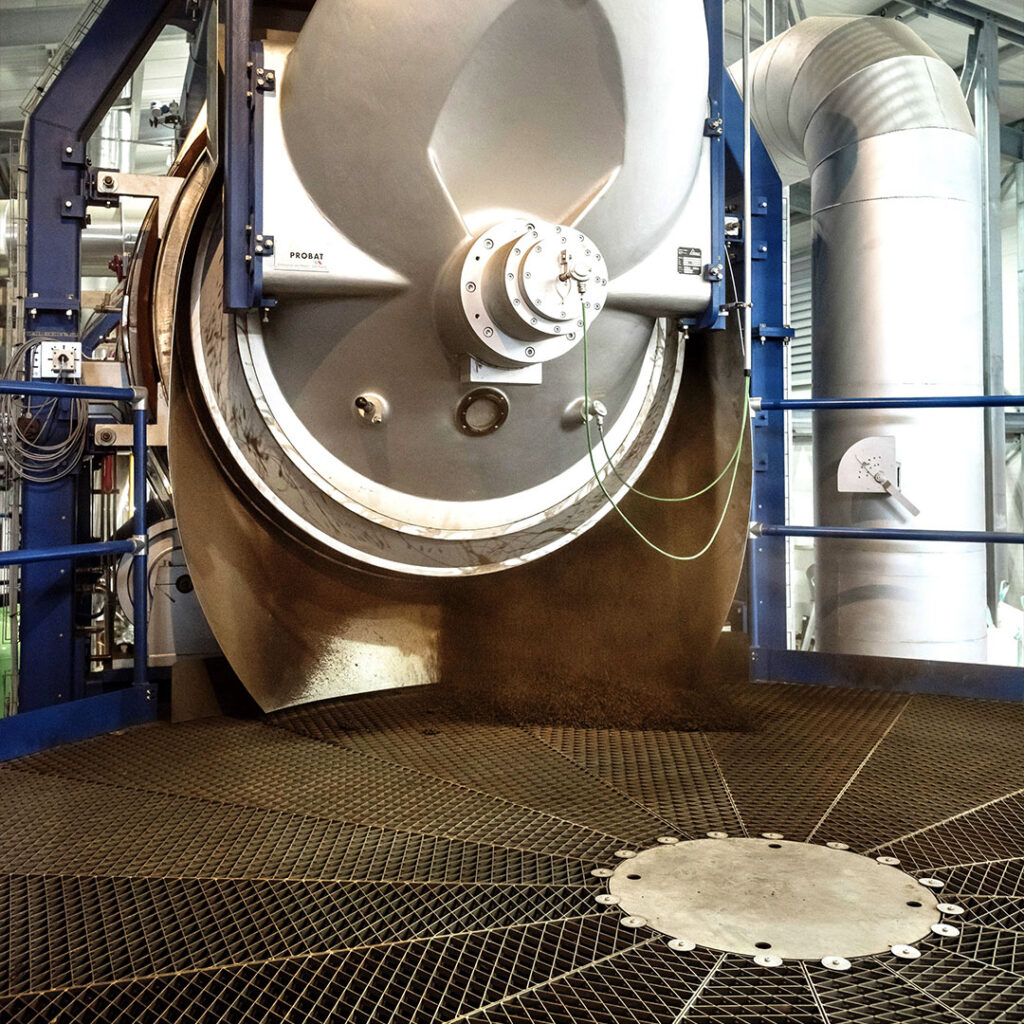
Fast forward to today: our Probat drum roaster allows precise control over colour, aroma, and flavour development. Craft brewers now have a full palette of specialty malts at their fingertips – from chocolate and caramel malts to roasted barley and biscuit malts.
The introduction of indirect heating, controlled airflows, and profiled roasting curves has completely transformed what the development of malting can be.
Science enters the malthouse
In 1906, much of malting relied on observation, smell, touch, and experience. These instincts remain valuable, but today they’re backed by lab analysis, enzyme profiling, protein breakdown tracking, and germination rate testing.
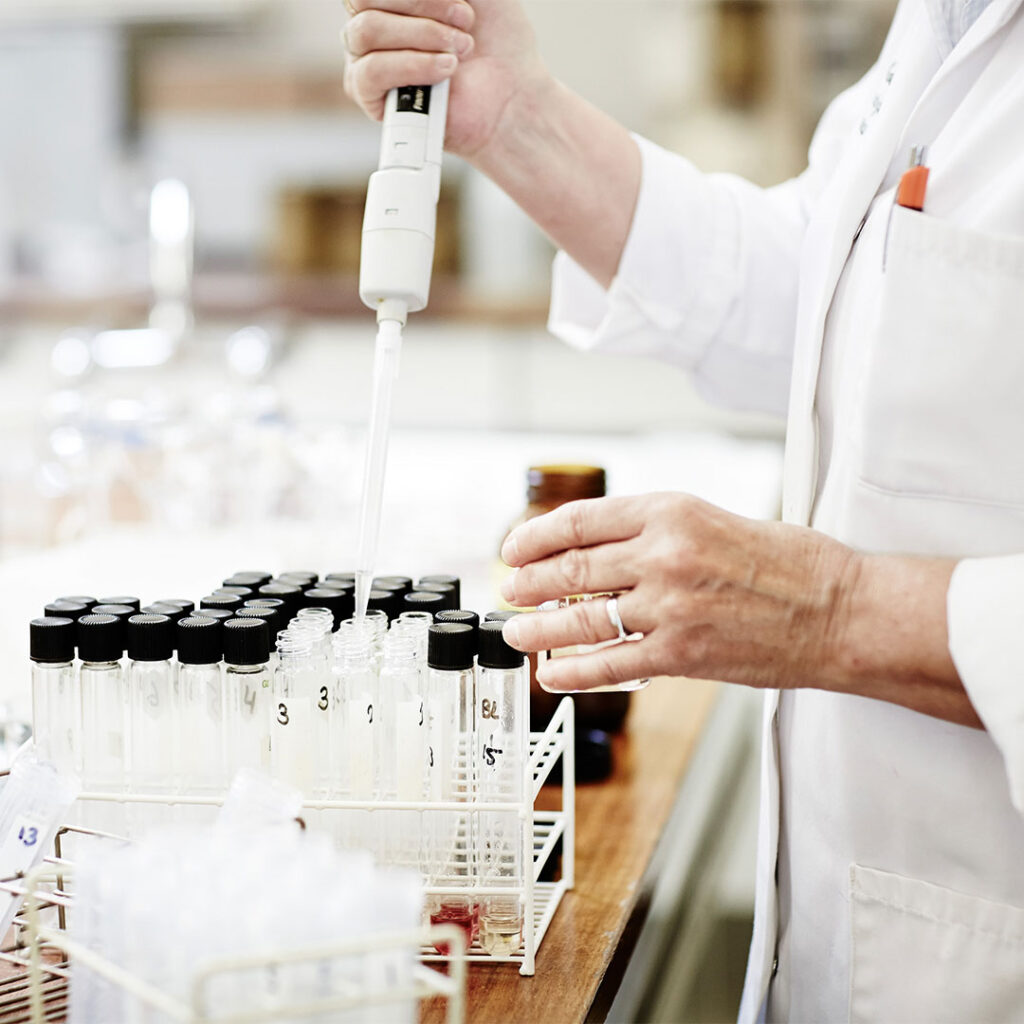
Modern maltsters work with precision data to control:
- Moisture content at every stage.
- Enzyme levels (like diastatic power).
- Kolbach index (protein modification).
- FAN (Free Amino Nitrogen) for yeast nutrition.
This science ensures every batch of malt performs as expected – essential for modern breweries relying on consistency, especially in large-scale production.
From local fields to global maltings
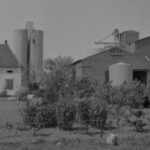
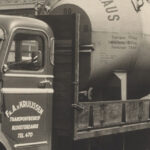
In 1906, most malt was local – grown, malted, and brewed within the same region. Barley varieties were landraces, adapted to their soil but often inconsistent.
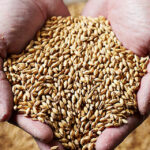
Today, brewing barley is a carefully bred crop, optimised for extract yield, enzyme profile, disease resistance, and sustainability. Global trade allows maltsters to source the best barley and tailor malts to customer needs.
But with globalisation comes responsibility. Maltsters now work closely with farmers to ensure traceability, soil health, and environmental stewardship.
Sustainability and energy use
The coal-fired kilns of 1906 were dirty, inefficient, and hazardous. Today, maltsters are investing in renewable energy, heat recovery systems, and water recycling. CO₂ reduction is a top priority across the malting industry, as both brewers and drinkers expect sustainability to be part of the story.
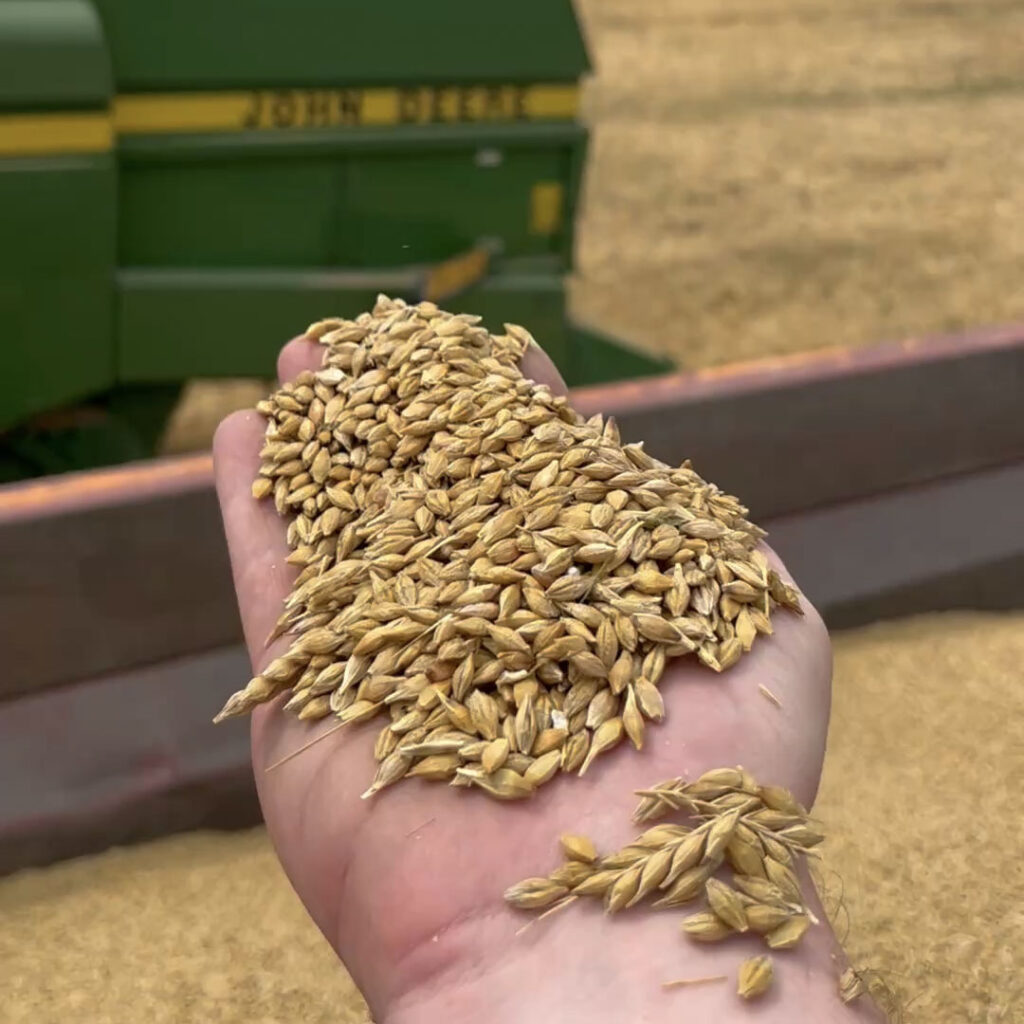
Some modern malthouses – including The Swaen – have already made strides to reduce their environmental footprint, combining tradition with innovation in a responsible way.
So, what hasn’t changed?
Despite all the advances, the core of malting has remained the same for centuries:
- Steep the barley to prepare for germination.
- Let it sprout.
- Stop the growth with heat.
- Shape it into something greater than the sum of its parts.
Malt is still the soul of beer. The tools have changed, but the purpose is timeless.
Conclusion: a tradition reimagined
From shovels to sensors, from guesswork to precision, from local barns to global malt houses – the malting process has changed more in the last 120 years than in the thousand before. Yet it remains one of the most beautiful transformations in brewing – turning humble barley into the foundation of the world’s most beloved beverage.
Whether you’re brewing with heritage floor malt or cutting-edge roasted specialty malts, you’re part of the development of malting, a story that stretches back centuries – and keeps evolving.
From malting floors and coal-fired kilns to precision drum roasters and lab-verified quality – 120 years of malting innovation, all in service of better beer. Explore our malt range or contact our team to put that expertise to work in your next brew.