
Brewing a perfect Pilsner is one of the greatest challenges in brewing. It looks simple on paper. Pale colour, clean bitterness, crisp finish. Yet every detail matters. There is nowhere to hide. Small flaws quickly become obvious, which is exactly why it is such a rewarding pursuit. At its core, a great Pilsner is about balance and precision. Each step in the process must support clarity, drinkability, and a refined flavour profile. From malt selection to fermentation control, success lies in consistency and restraint.
Start with the right malt base
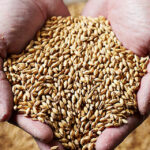
Malt is the foundation of your beer. For brewing a perfect Pilsner, you need a base that delivers a clean, subtle malt character without overpowering the hops.
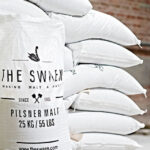
This is where Swaen© Pilsner comes in. As a high-quality Pilsner malt, it offers a light colour, excellent extract yield, and a soft, slightly sweet flavour. It creates the ideal canvas for hop expression while still contributing a gentle malt backbone.
If you want to add a touch more depth, you can include a small percentage of lightly kilned specialty malts. However, keep this minimal. A classic Pilsner should remain crisp and bright, not heavy or complex.
Water: the silent driver
Water chemistry plays a critical role in brewing a perfect Pilsner. Traditional Pilsners, such as those from Plzeň, are brewed with very soft water. This allows delicate malt flavours to shine and keeps bitterness smooth.
If your water is harder, consider adjusting it. Lower carbonate levels and balanced sulphate-to-chloride ratios will help you achieve a cleaner finish and a more refined bitterness.
Mash for fermentability
A highly fermentable wort is essential. It creates the dry, crisp finish that defines the style. Use a step mash if possible:
- Start around 63 – 65°C for beta-amylase activity.
- Raise to 72°C for alpha-amylase.
- Mash out at 78°C.
This approach ensures a good balance between fermentability and body. When brewing a perfect Pilsner, the goal is not fullness, but drinkability.
Choose noble hops wisely
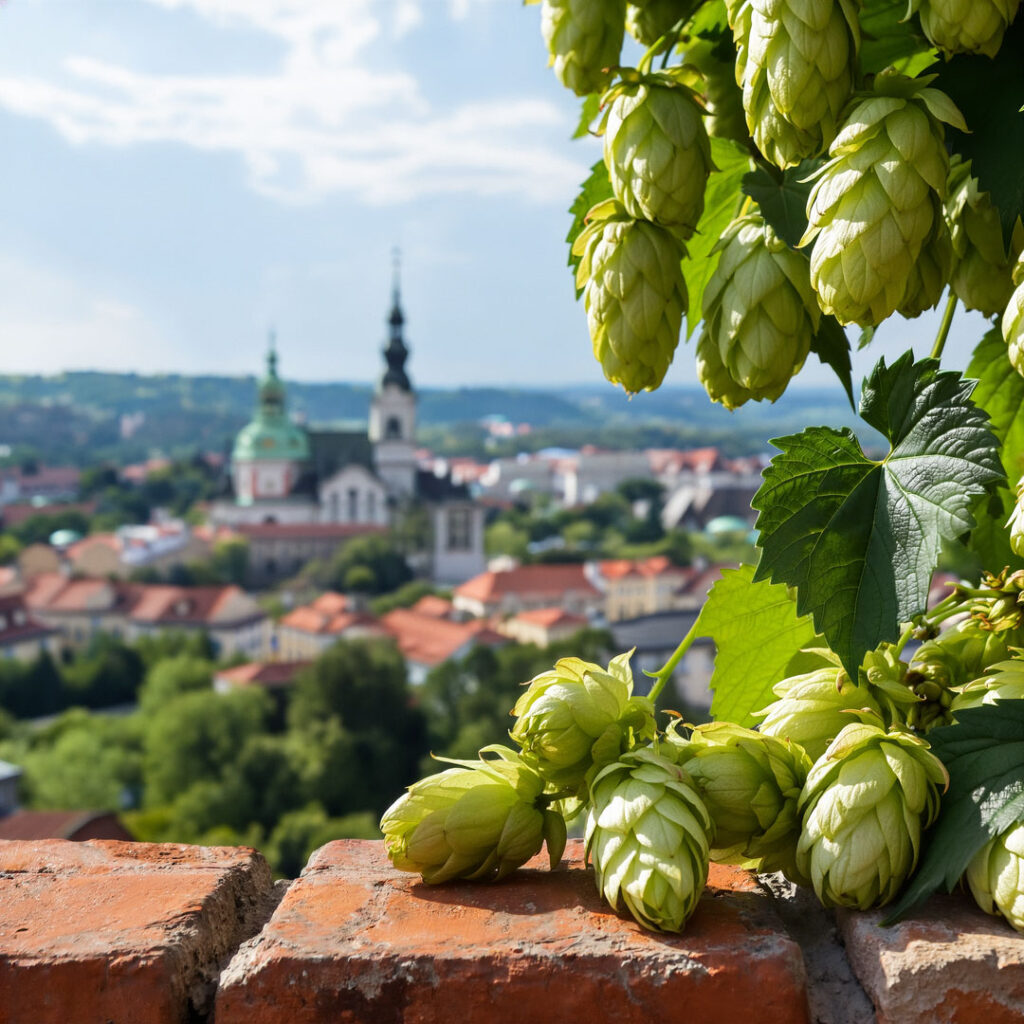
Hops should complement, not dominate. Classic noble varieties like Saaz, Hallertau, or Tettnang are ideal. They provide:
- Soft bitterness.
- Floral and herbal notes.
- A clean, elegant aroma.
Keep bitterness firm but smooth, typically between 30 – 40 IBU. Late hopping should be restrained. Brewing a perfect Pilsner is about finesse, not intensity.
Fermentation: control is everything
Fermentation is where many Pilsners succeed or fail. A clean lager profile requires:
- A healthy yeast pitch.
- Fermentation around 8–12°C.
- A proper diacetyl rest.
Any off-flavours will stand out immediately in such a delicate beer. Patience is key.
Lagering for clarity and smoothness
Lagering is not optional. It is essential. Cold conditioning for several weeks allows:
- Flavours to round out.
- Yeast and proteins to settle.
- Bitterness to smooth.
This step transforms a good beer into a great one. When brewing a perfect Pilsner, time is your ally.
Balance is the final test
In the end, brewing a perfect Pilsner comes down to balance. Malt, hops, water, and yeast must work together seamlessly. No single element should dominate.
Using a reliable base like Swaen© Pilsner gives you a strong starting point. From there, precision and patience will do the rest. Master this style, and you prove true brewing skill.
Ready to brew a Pilsner that’s clean, crisp and perfectly balanced? It all starts with the right malt base. Discover Swaen© Pilsner or contact our team for expert advice on brewing your perfect Pilsner.