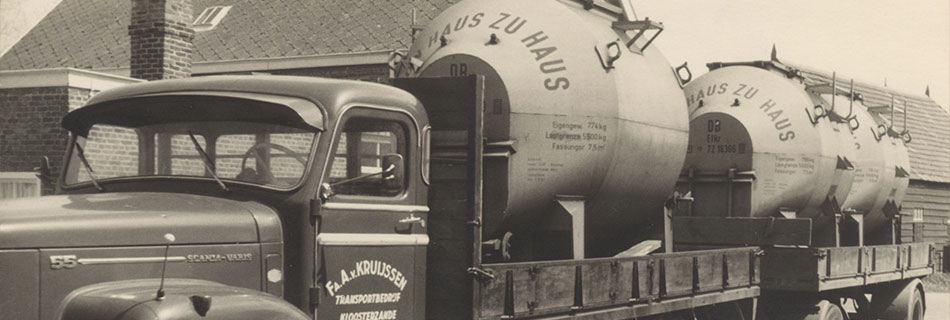
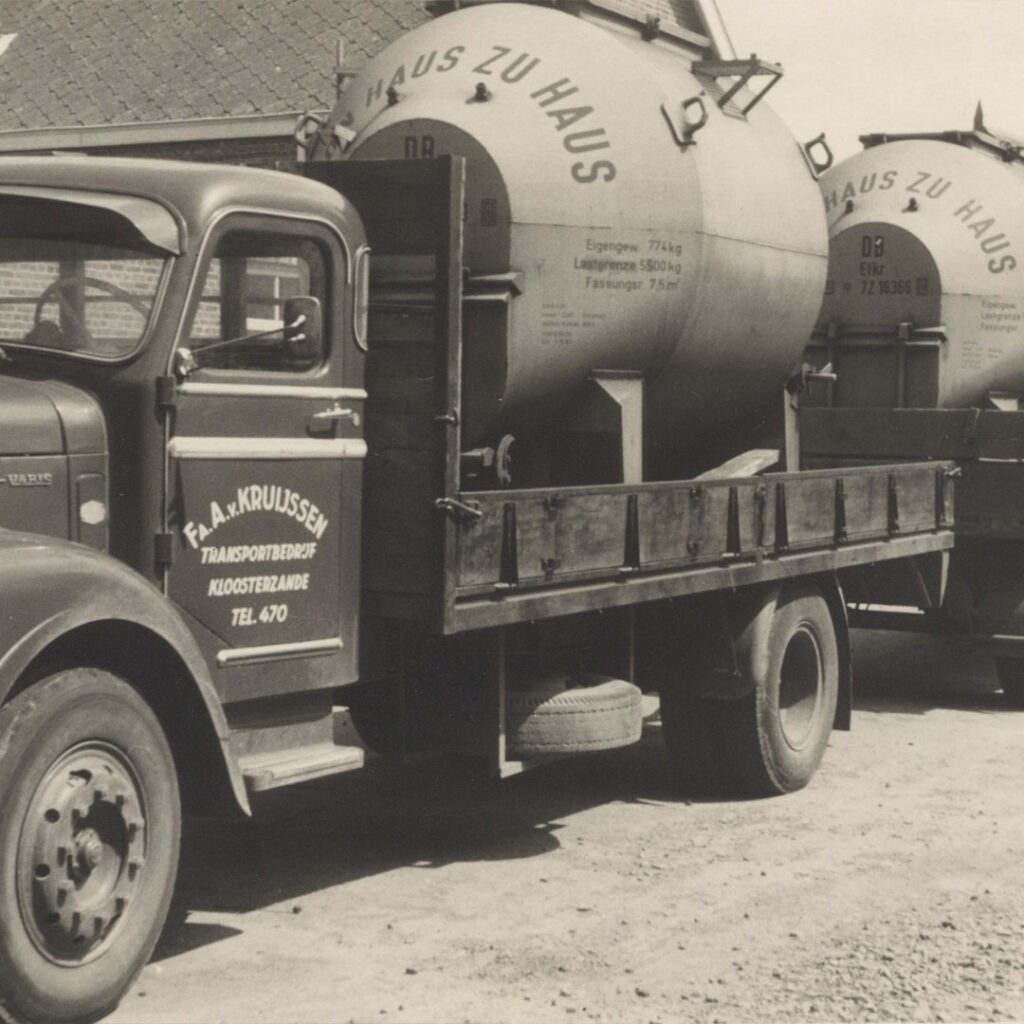
In the years after the war, Germany faced a challenge. Industries needed reliable ways to move goods quickly. Railways responded with an inventive idea: Haus zu Haus transport. It promised true door-to-door delivery. Containers could travel on both trains and trucks, making freight faster and more flexible.
The history of Haus zu Haus
The roots of the scheme go back to pre-war container experiments. But the real breakthrough came in 1950. The newly founded Deutsche Bundesbahn launched a large trial. Special wagons and sturdy pa-containers formed the backbone. Soon after, international railway bodies agreed technical standards. This meant containers could be exchanged across borders.
By the early 1950s, the system carried the catchy name “Von Haus zu Haus” – from house to house. For customers, the appeal was simple. Goods could leave a factory without a private rail siding. Small loads reached destinations with fewer handling steps. Different container types supported everything from machinery to bulk goods and food.
The Swaen and Haus zu Haus
This is where our own history connects. Back then, The Swaen operated under the name Mouterij Menu. In the early nineteen-fifties we used the Haus zu Haus trucks for some shipments to Germany. For a malthouse, the model made sense. Malt and grain often travelled in modest batches, ideal for the small pa-containers. The scheme gave us access to customers far beyond direct rail links. It was a practical, forward-looking choice for its time.
Why it faded away
Despite its strengths, Haus zu Haus transport had limits. As global trade expanded, larger ISO containers took over. They offered standardisation on ships, trains, and lorries alike. Meanwhile, road haulage became cheaper and faster for short distances. Those trends gradually pushed the pa-system aside. By the 1970s, new containers were no longer built. By the 1990s, the network had almost entirely vanished.
Today, only preserved units survive in museums or heritage collections. For everyday freight, the world chose bigger, simpler, more universal solutions.
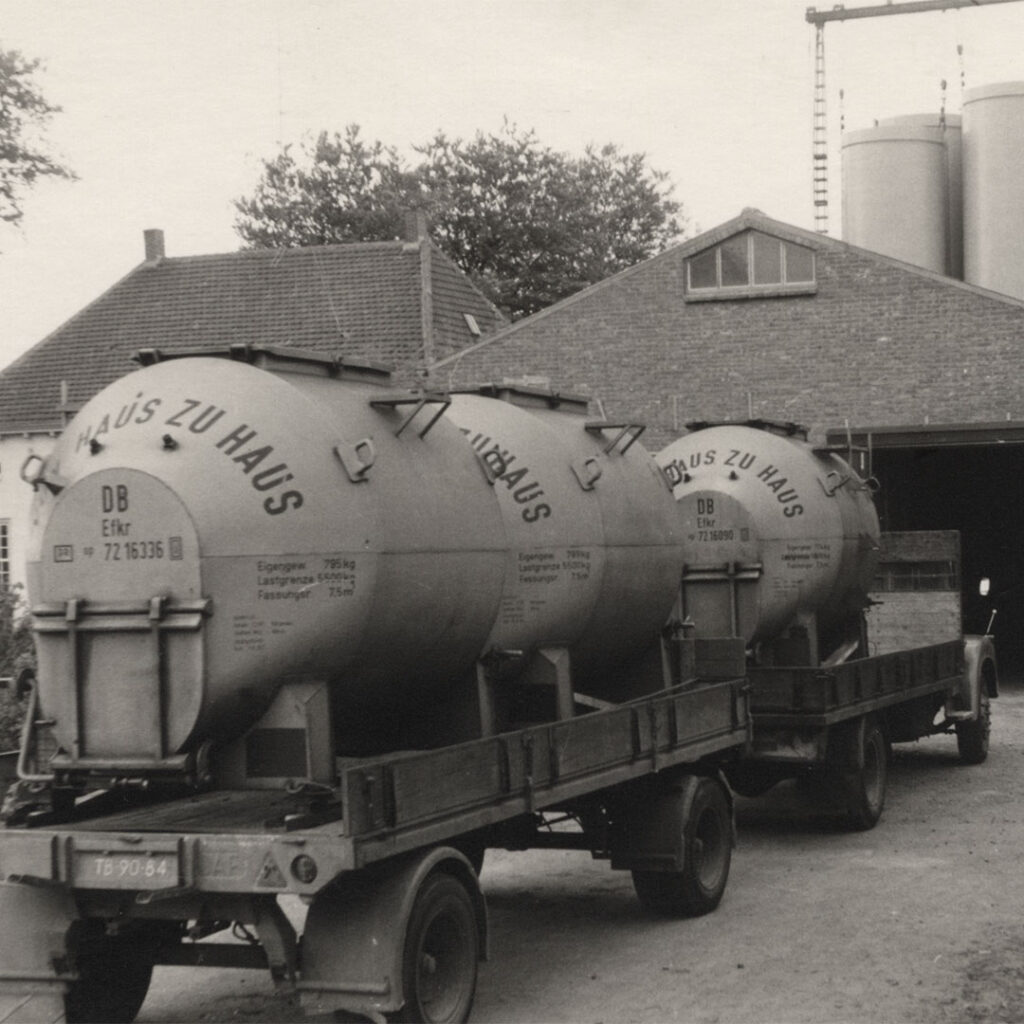
Haus zu Haus transport deserves a place in logistics history. It showed creativity at a crucial time in Europe’s recovery. For The Swaen, then Mouterij Menu, it marked an early step in connecting with brewers beyond our borders. That spirit of looking forward – while staying true to craft – remains part of our identity today.
From pa-containers to pallets – even in the 1950s, The Swaen was finding ways to bring quality malt to brewers across borders. That spirit of connection hasn’t changed. Discover our story or explore our malt range and be part of the next chapter.